
Category: Uncategorized
Why LEGO doesn’t expect you to buy the UCS Star Destroyer
A Day In A Korean Internet Cafe
People Are Not Smart
A.I. Is Not To Be Blindly Trusted

What Happened To The Mac Pro?
072926 • Bar Down Bandits vs Stay Frosty

Captain Paul
When I purchased the three Horatio Hornblower books last month, this book, Captain Paul, by Commander Edward Ellsberg, I put back. That bothered me, so the next week, I bought it. The week after that, the thrift store had a fire, and I assume all of the books were ruined as the sprinklers were going, and the fire was near the book section. So, this eighty-five-year-old book would have been ruined.

Speaking of ruined antique items, the ARC in Arvada put their price stickers on the face of old, paper/cardboard covers and packaging. What kind of person does this, knowing full well that the stickers are going to take the old, fragile paper artwork off when they are removed? They are clearly old, and… it’s just amazing how dense some people are, and how they just don’t care. I’ve seen this done to old books that have survived who-knows-what, but that thrift store pricing person? Nope.

Anyway. I just finished Captain Paul, and it was a good read. The language is different, as when I was reading the Count of Monte Cristo, but one adjusts. What really struck me is the politics, how people were chosen for really important roles, especially in a situation like the Revolution where you need everything you have working as best it can, and they kept bungling the simplest things. The logical things.
And the fact that John Paul Jones was incredibly good at what he did, but even he was derailed by chance, cowards, treachery, and incompetent subordinates. It actually was very difficult to find good help on sailing ships, I read a book about Magellan and I remember that they could only get criminals who needed to get away, loners and desperate people to man these ships as the work was hard, dangerous, and likely to be the end of you.
Still, John Paul Jones had enough success to land him in the history books, but he was right when multiple times, he exclaimed at how much they could accomplish if only the simple and logical choices were made by politicians, seamen, and others.
The book actually starts with a massive failure, the narrator of the story, who is telling it from his perspective as John Paul Jones’ friend and companion, Tom Folger, suffers a massive loss and almost dies in the books’ first adventure at sea. But that led him to Jones.
The writer of The Count of Monte Cristo, Alexander Dumas, also wrote a book on John Paul Jones as well, so I’m going to be looking out for it.

I pulled some other nautical books (I’m calling them this, for lack of a better term. Seafaring?) from my annex and I now have a section of them. The two big Hornblower compilations both had the same problem with the cover separating from the book, so I fixed that with the correct glue. This Captain Paul was in great shape, and had that old paper smell and feel. A joy to read, and I got through the six hundred pages in about a week, which is good for me as I am a slow reader.


I have The Mutiny of the Eisinore by Jack London, The Bounty Trilogy, eight more of the Hornblower books (I’m missing two of them), and a book of stories in the same realm. I’m thinking I’m going to try and read them all, if I can read both the entire Brad Thor and Vince Flynn series, this should be easy!
I do need to finish The Count of Monte Cristo, I only made it a third of the way through and I’m going to have to start over as it has been too long. I would have to count this one as part of my nautical books, but it is in my deluxe book section as it is a Barnes & Noble Collectors Edition with gilded pages and fake leather and all. It costs $20-$30 new, which is a great deal considering what Easton Press, Folio Society, or any other high-quality publisher would charge, those books start at around $100 and up. They are worth it, but until I find a copy used for less than that…


Lakeside
I’ve never been to this park, but I drive by it on Sheridan all the time and wonder what it is like. It sounds like a unique little place of respite from the world.
LEGO Armada Galleon Esperanza
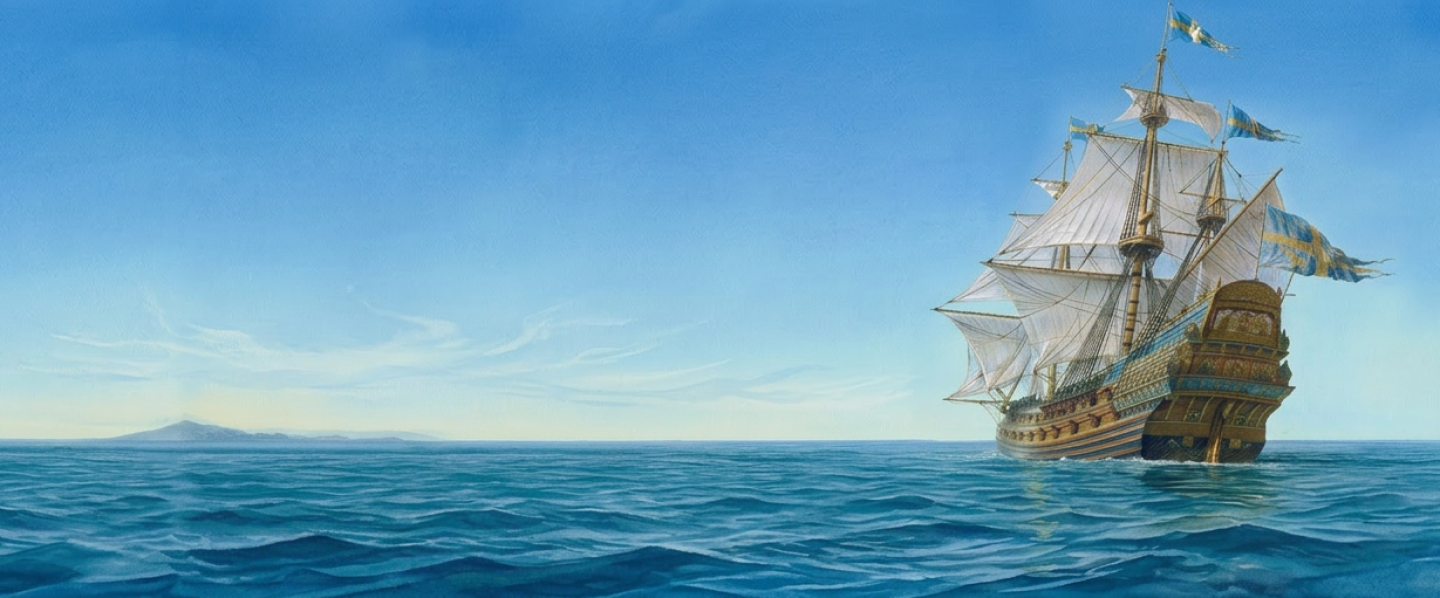
I like sailing battleships, always have. I also like LEGO. But I don’t collect LEGO, for several reasons, primarily because they cost a lot and I don’t have space… I can’t do everything. But I still very much like LEGO. There was a point in 1996 where I almost bought this big LEGO ship, and I was so very close to doing so, but I didn’t. That might have been what would have brought me into being an active LEGO fan, and not a passive one.

I am aware that there have been a few ships released overall, I don’t know how many exactly, but they are out there. A new one coming out, the “Armada Galleon Esperanza” looks to be one I would really like to get!
This video sold me on it! However, I am between jobs, and have a lot of things going on, so a treat like this really isn’t important. But, a few years down the road… who knows? Just a neat thing to have.
My history with LEGO is documented in the below six photos. I only ever had four sets of LEGOs, one of them was pretty small. But we make everything out of them!


The sailing ship in two of the photos above, was entered in a contest at Villa Italia Mall. The rules stated that you could not use any non-LEGO items in your creation, but the winner was a guy who made a huge Mile High Stadium, topped off with a… non-LEGO horse at the top! He got the free trip to Waco, Texas. My little ship was a genius build for me at the time, and I was pretty disappointed that this cheater won! In retrospect, there were a lot of great builds there.
The “Voyager” spaceship was given to me by my Aunt Ida, and it pretty much blew my mind as the pieces and concept were far different from the LEGOs that I had available to me.
I still have all of these LEGOs in storage, and like my Star Wars collection, they are priceless to me. Material possessions I shouldn’t be so attached to, but I am. Too many good times.