I’m Thankful For: Optical Character Recognition

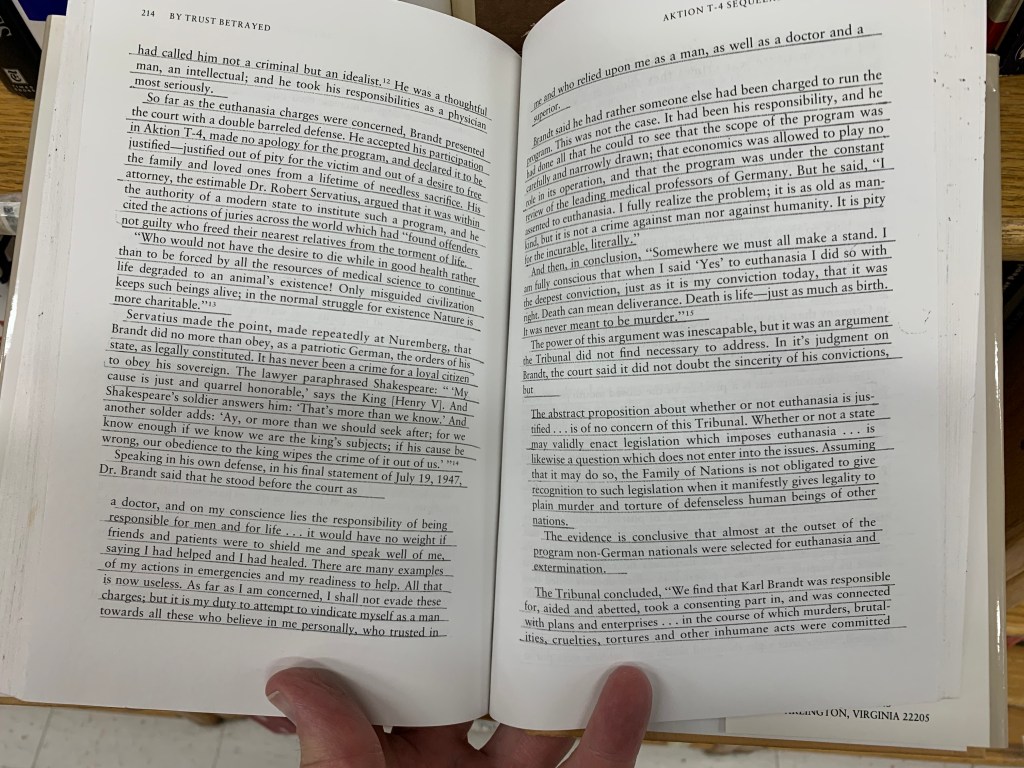
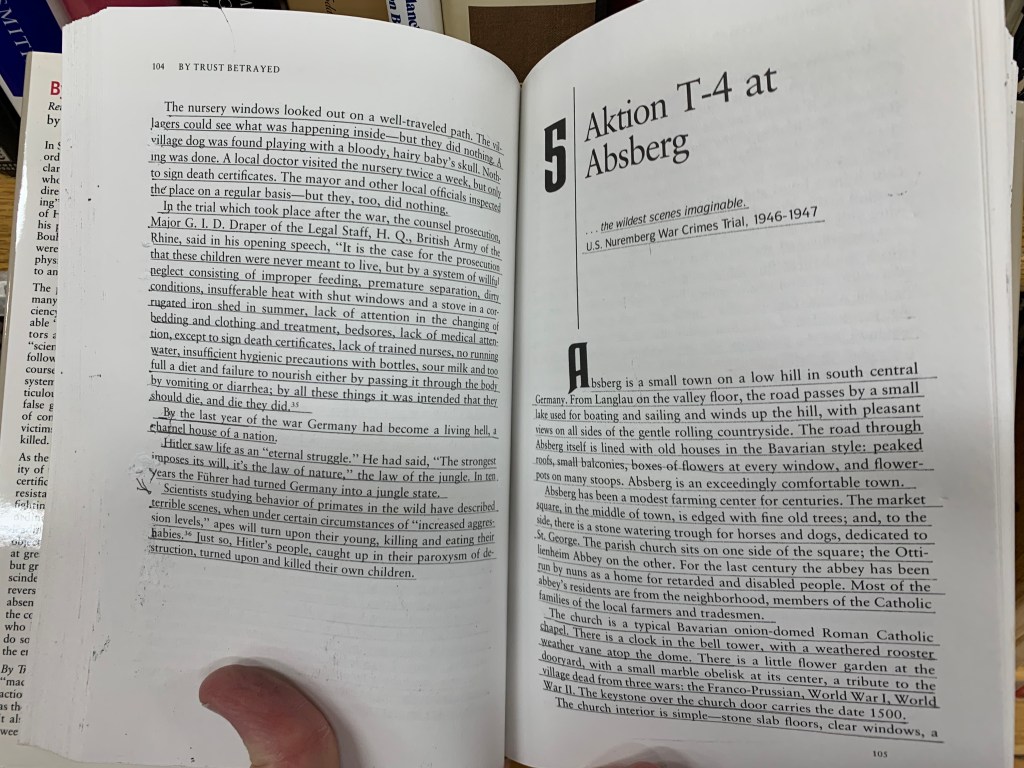
My Dad, when reading books, uses highlighters on passages that he likes and wants to remember. This frustrates me when buying books: I’ll come across a great book, open it up, and someone has crudely underlined paragraphs all over the place. Often, at a thrift store, all of the books are pretty much common or not of a great topic, except one… and when I open that one special volume? Its pages are all marked up with underlining or markers.

Quite frustrating.

My way of noting special passages is different: I take a photo of the page with my phone, and use Adobe Acrobat’s OCR (Optical Character Recognition) to turn the text into editable text, as if it were typed in and not just part of a photo of a page. Adobe’s OCR isn’t bad, and I appreciate what it does considering I grew up writing everything with pens, pencils, and manual typewriters. Correction ribbons… ugh.

So, this is how I do things. I have a big file with all sorts of interesting excerpts from books that I’ve read.

But today, I found out about a better way to do this. I was taking a photo of some pages with my phone, when I accidentally discovered that the iPhone now automatically OCR’s text without even asking!

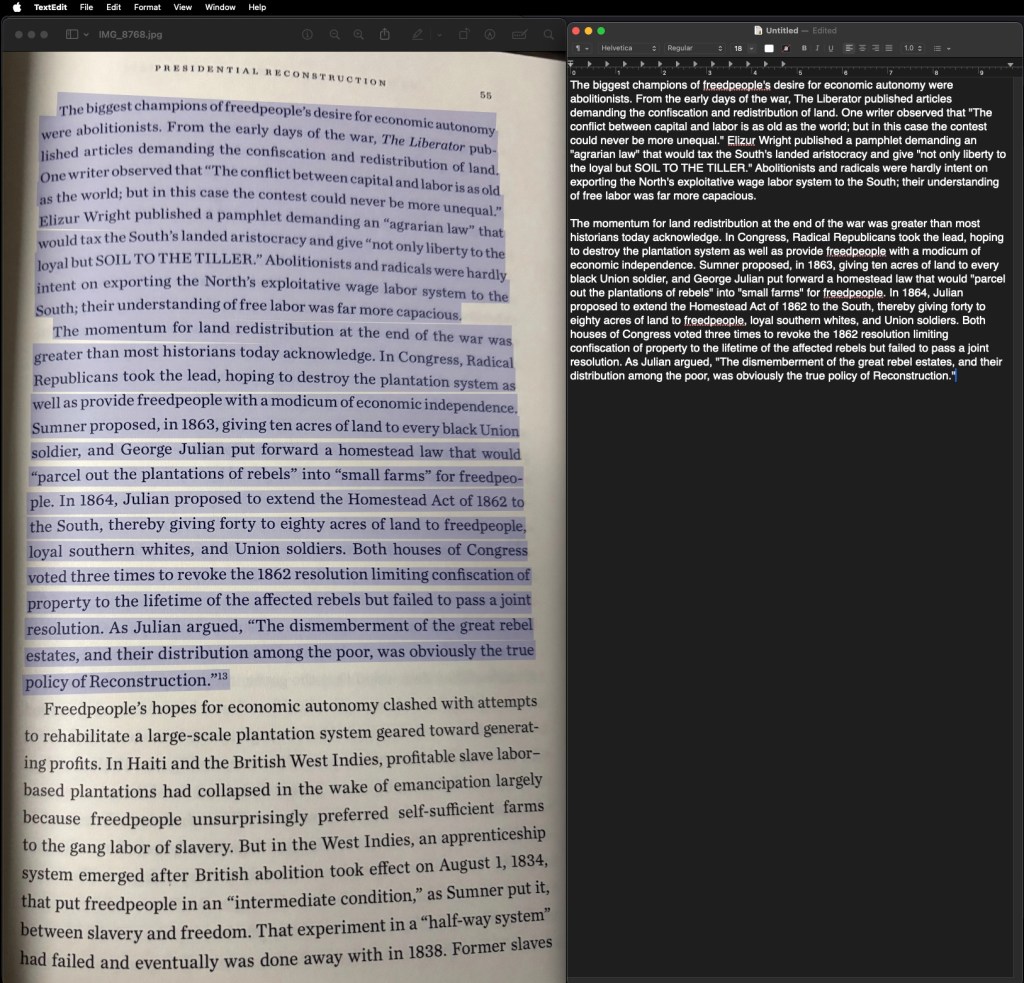
Even better, when I’m on my Mac Mini, to use the built-in OCR, all I have to use is the Preview app to open the photograph of the page, go to Tools > Text Selection (or even better, Automatic Selection), and the OCR goes to work! I just click on the page and after a few seconds, the cursor changes and I can select all of the text! The Automatic Selection option stays selected so I don’t have to do that every time.

Apple’s OCR (I can’t speak for any Windows OCR features) in my experience, works better than Adobe’s OCR, where lack of contrast and warped text due to pages not being completely flat, causes a lot of static junk text.

I just wanted to share that because this is one of those many useful features our phones and computers can do, but most of us miss it. If you would have told me back in the day that something like this was going to be possible, I would have had a tough time believing it. We take a lot of things for granted, and this is one of them. Also, being able to take unlimited high-quality videos and photos with a computer-phone that fits in a pocket. Some of us remember having to:

1 – Go to store, buy film.

2 – Load film correctly, pick shots carefully because there are only 24-36 to a roll.

3 – Unload film correctly.

4 – Take film to store.

5 – Return to store to buy prints.

So, two trips to the store, one opportunity to ruin the film. And, one was limited to how many shots were on a roll. Now, it is unlimited, with many options and features, and no trips to the store.

Anyway. There are more important things to be thankful for this Thanksgiving, but this is still something to be appreciated: useful technology that keeps innovating and bringing us more ways to be productive.

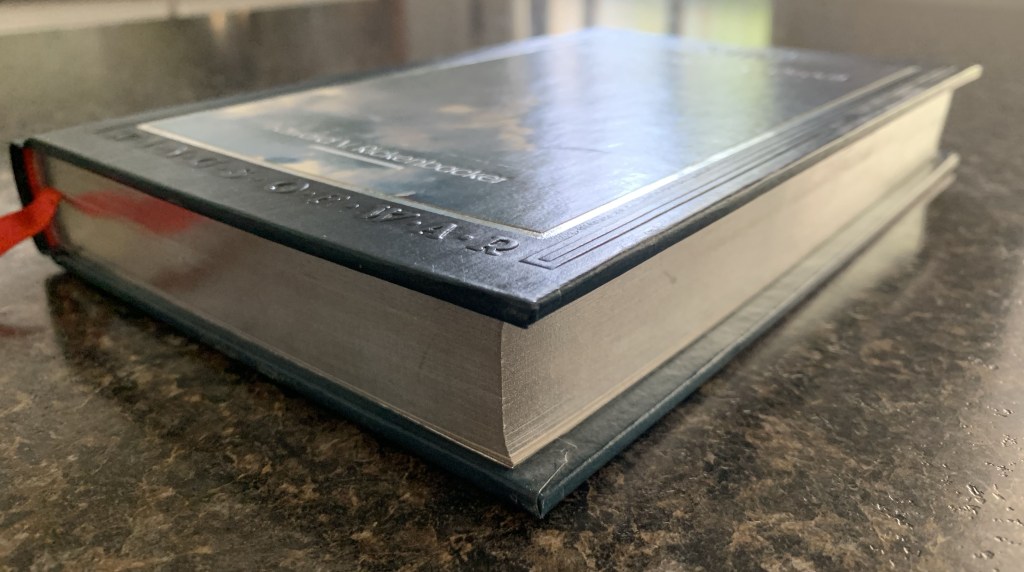
History of the World War

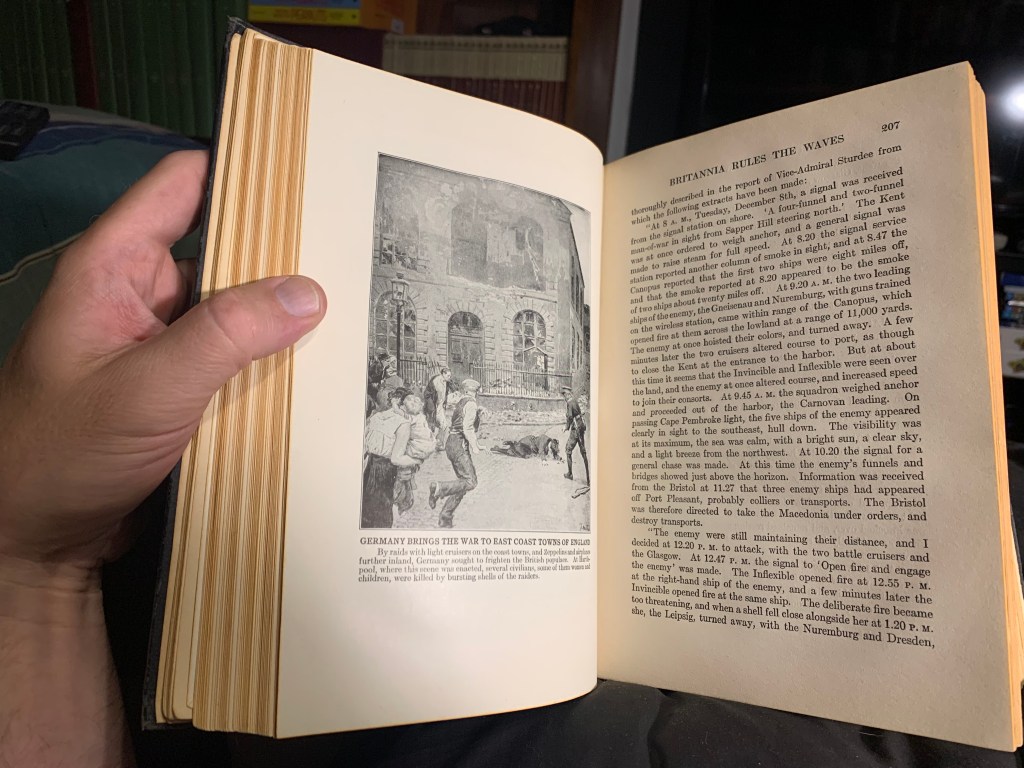
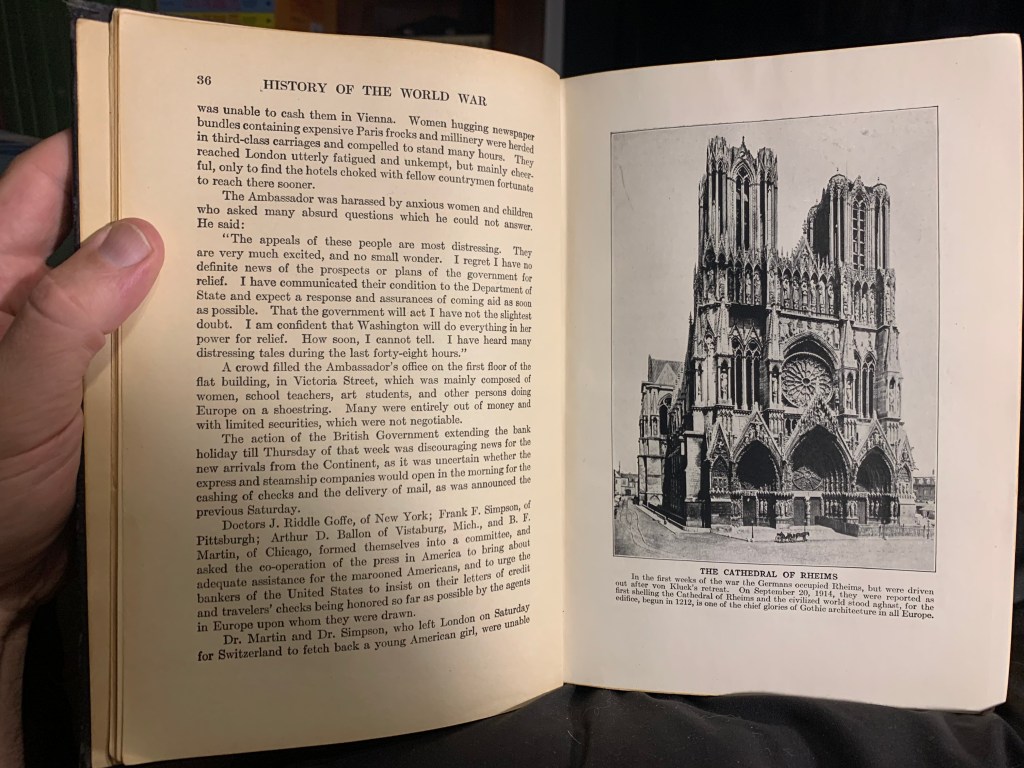
It seems these days, that most people don’t have the concept of a library; they just see someone who has “too many books”. I have been asked on more than one occasion: “You’re never going to be able to read that many books!” While it would be nice to have the ability to read all of my books, (I actually know a guy who can do this, but alas, I am a slow reader) one of the many benefits of having an actual library is the ability to wander and select something I hadn’t thought about in a long time. I’m a custodian of this custom library, full of volumes that people have put an immense amount of work into creating. It definitely isn’t just a “collection” of books.

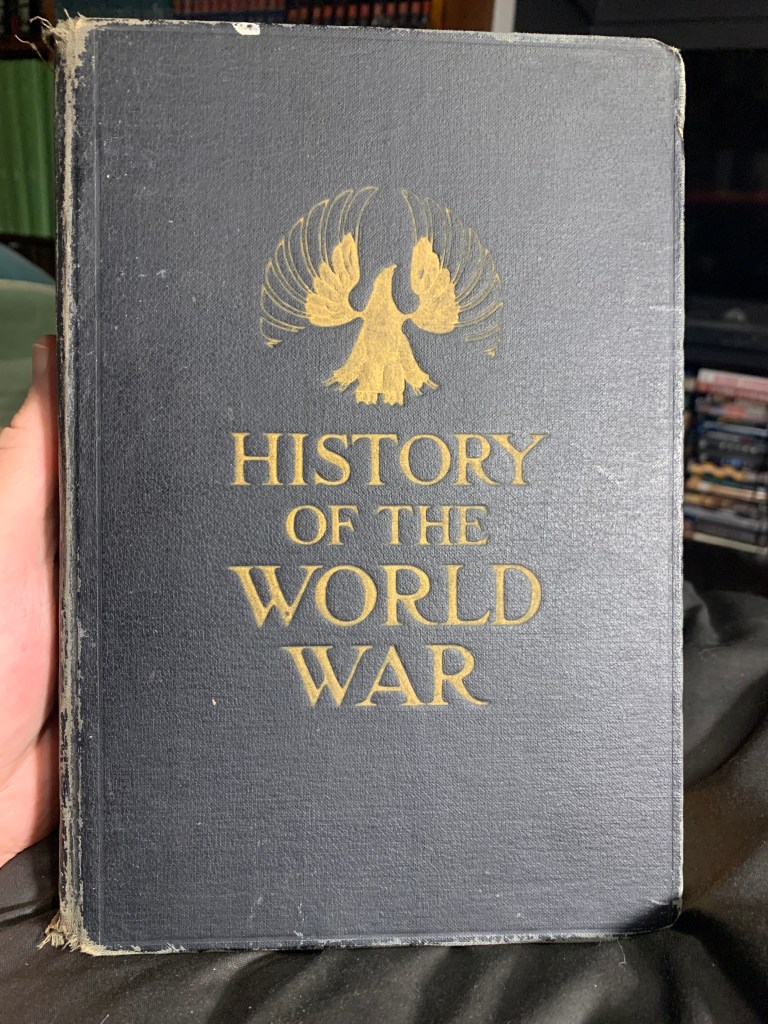
A few weeks ago, I found two small, old volumes at the thrift store, and they were part of a set of five. Upon checking “The Registry”, also known as my spreadsheet, it turned out that I had the compilation of all five, a complete and singular volume in my library already. I had a tough time finding it though, because all of my World War I books are supposed to be in the same place, but I had to search and discover this was mistakenly among my older World War II books. But, it couldn’t hide, as The Registry doesn’t lie, it had to be here somewhere!

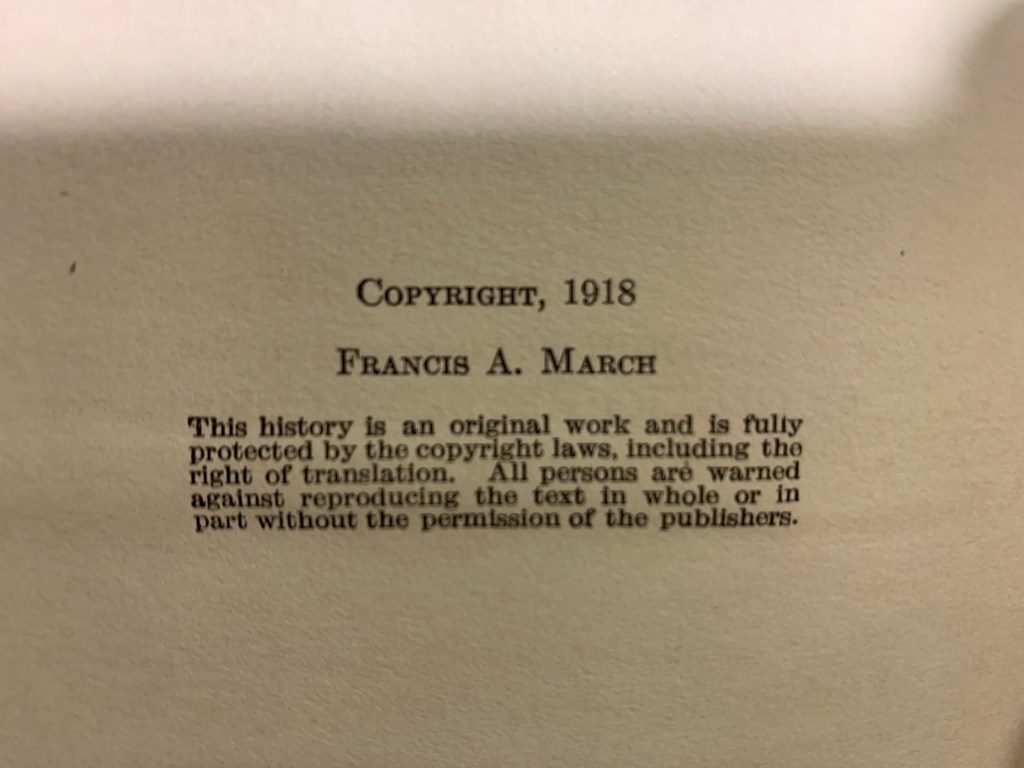
World War I was known as “The Great War”, or as in the case of this book, which was published in the same year as the war ended, 1918, “The World War”. There was no “World War II” yet, so nobody knew to call it “World War I”.

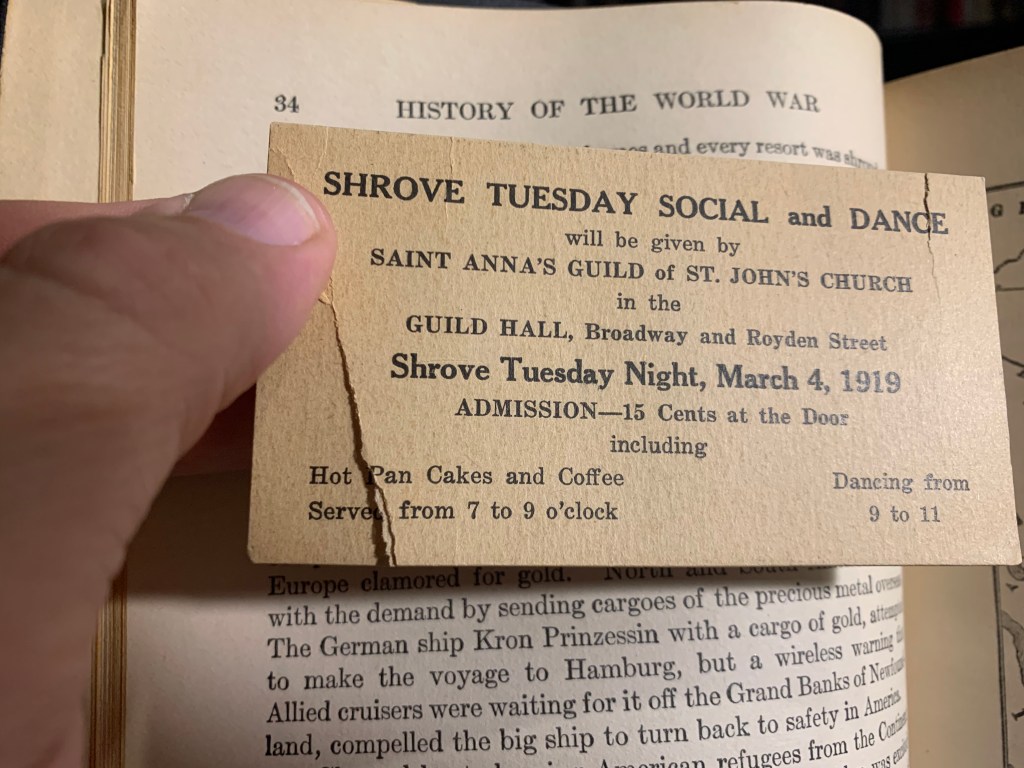
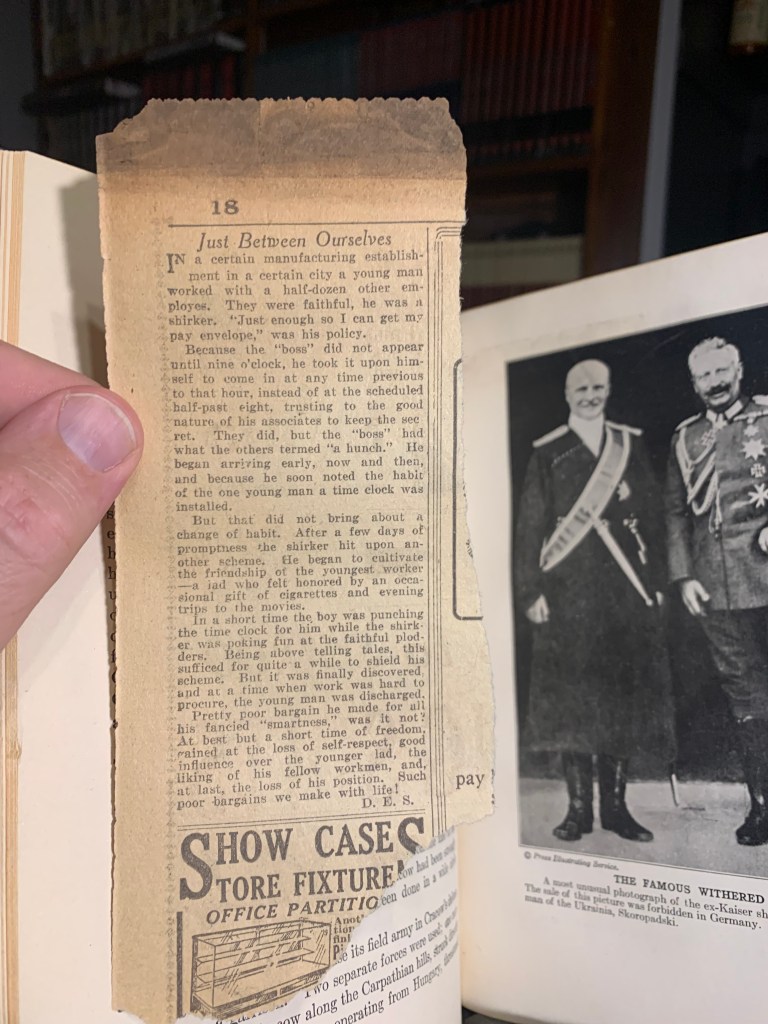
I found a piece of newspaper from what has to be a newspaper more than a hundred years old, and an invitation card from 1919, both used as bookmarks.

It is really neat to read books like this, written so soon after the war, and totally ignorant of the even worse war to come in just twenty years time from the publication of this one. There is a great amount of bias by the author, who was eventually a Brigadier General in the U.S. Army, but a lot of that comes from the perspective of the author and is very interesting to read. Francis A. March was active in that second war, so he saw a lot of violent history in his time.

February • Thrift Store Finds

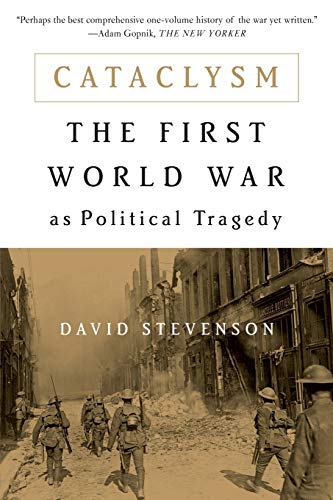
Cataclysm • Any World War I book, I’ll pick up.

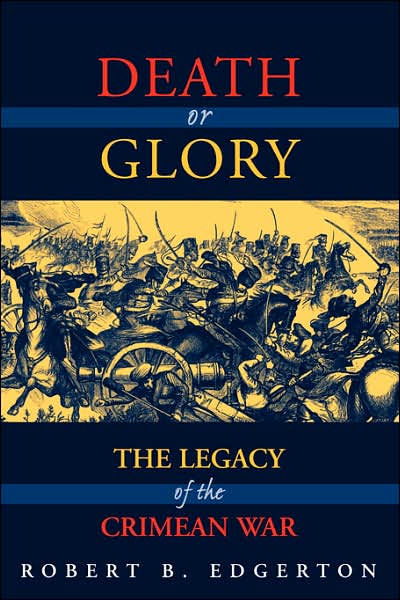
Death or Glory • My only book on the Crimean War (to my knowledge), which is the first war journaled in any real number of photographs, and a precursor to how the Civil War would be fought.

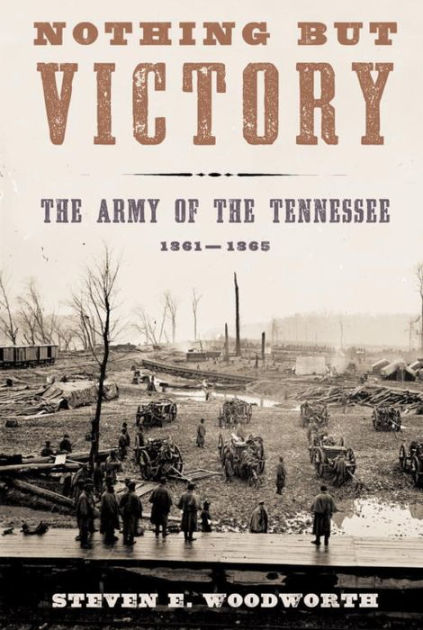
Nothing but Victory • I took a chance that this wasn’t in my dad’s library already, and it wasn’t. For a buck-fifty, it is fairly new, in perfect shape, and has a good number of pages. I can’t pick up every Civil War book I want because of space, but this one was worth it.

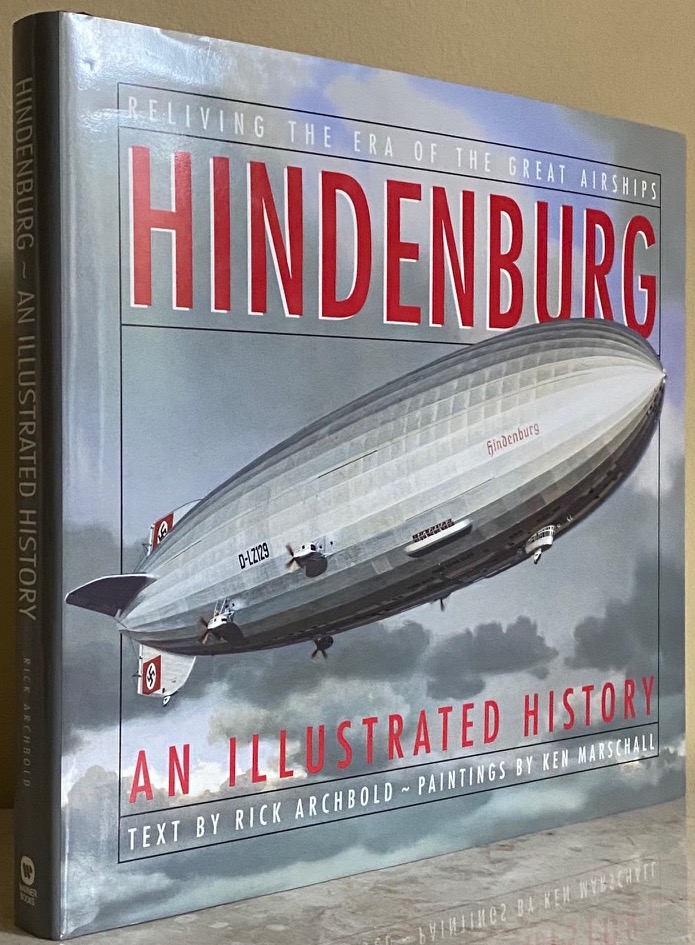
Hindenburg • I paid full price for this one, because lately I have gone from being totally uninterested in airships, to very interested. Airplanes always appeared to be far more exciting than a big, fat, slow airship, but upon further inspection, they are really interesting. They were for a time, airliners in the sky, and some even had a lounge with a piano for guests!

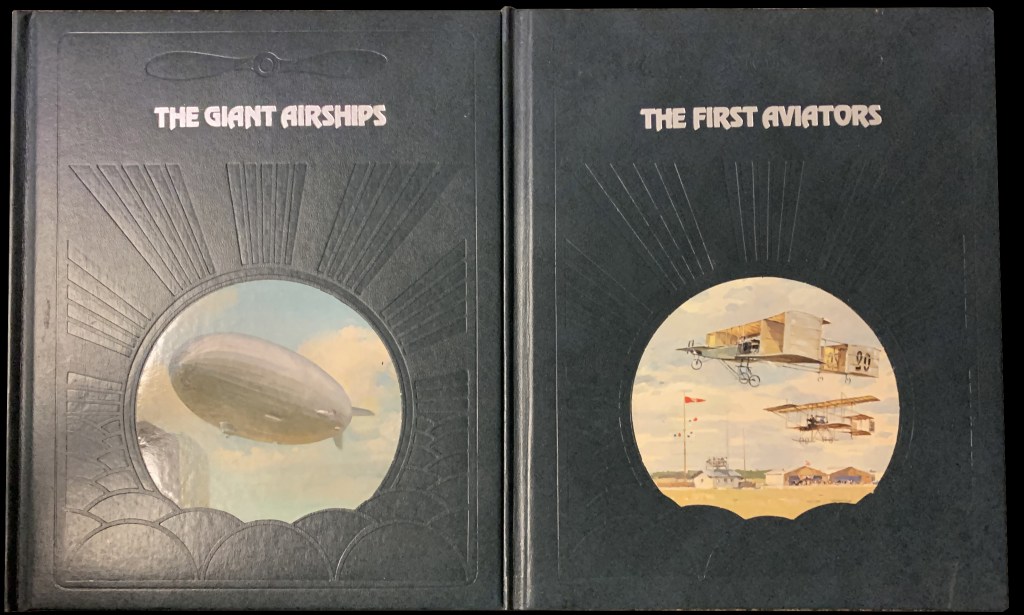
Time/Life The Epic of Flight: The Giant Airships – The First Aviators • On the same topic, I passed on these books a long time ago, in an effort to save space as there were some books in this set I wasn’t interested in, so I decided to keep an incomplete set. However, I’m now interest in Airships, and those who took real risks in creating and testing the first airplanes. Now, as I look at this set, there are only two or three that I am uninterested in acquiring.

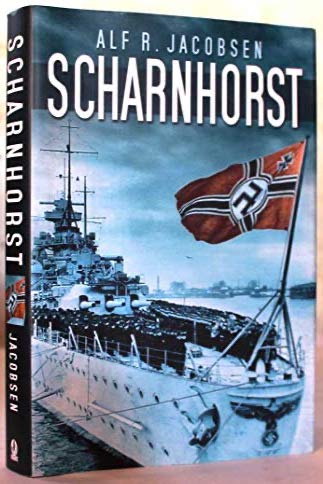
Scharnhorst • I’ve read about this ship in other books, but this is the first book focused on just the Scharnhorst. It was fairly new, and half-off, so, a great deal.
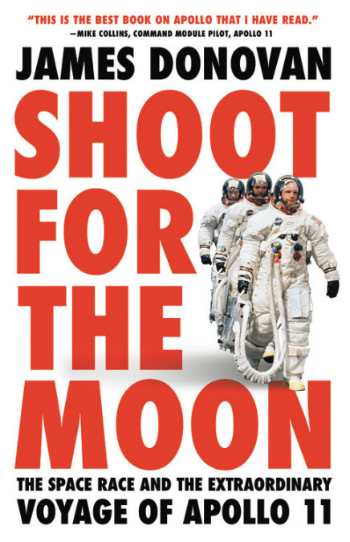
Shoot for the Moon • I’m more interested in the moon landing, wheres previously, I wasn’t. It is actually fascinating and it’s a shame people aren’t into this topic more.

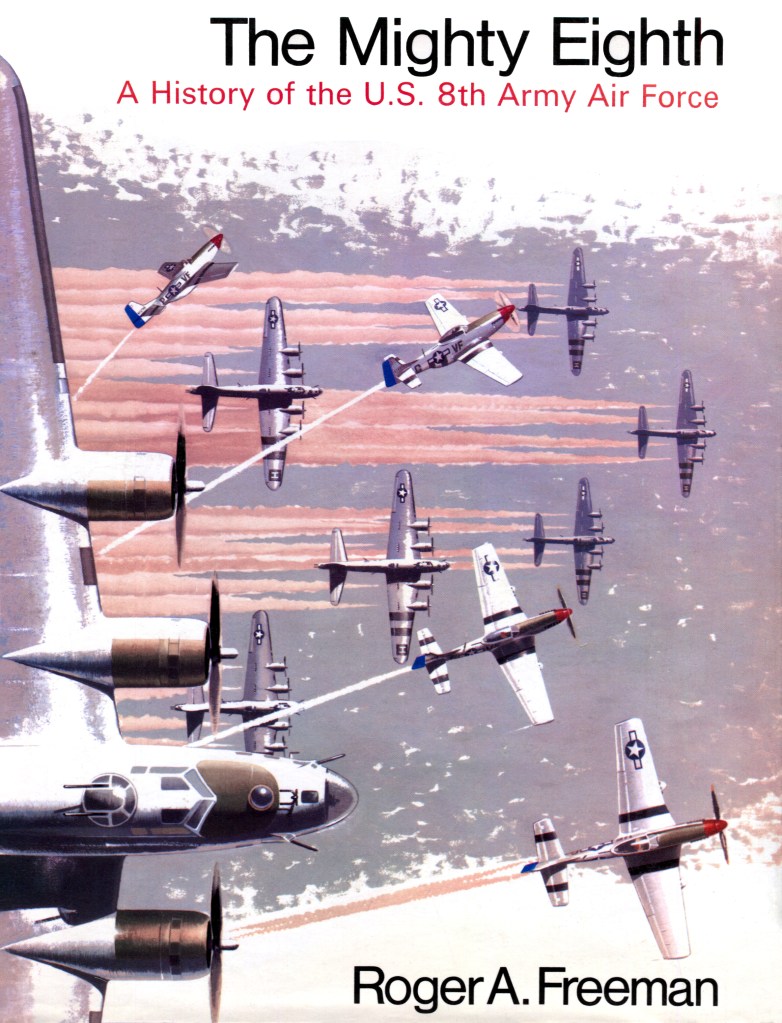
The Mighty Eighth • I have another book by this title, but it is a less graphical one by a different author. The bomber missions are incredibly interesting when the reader tries to imagine himself in the same situation as the men who were there.

The Firm

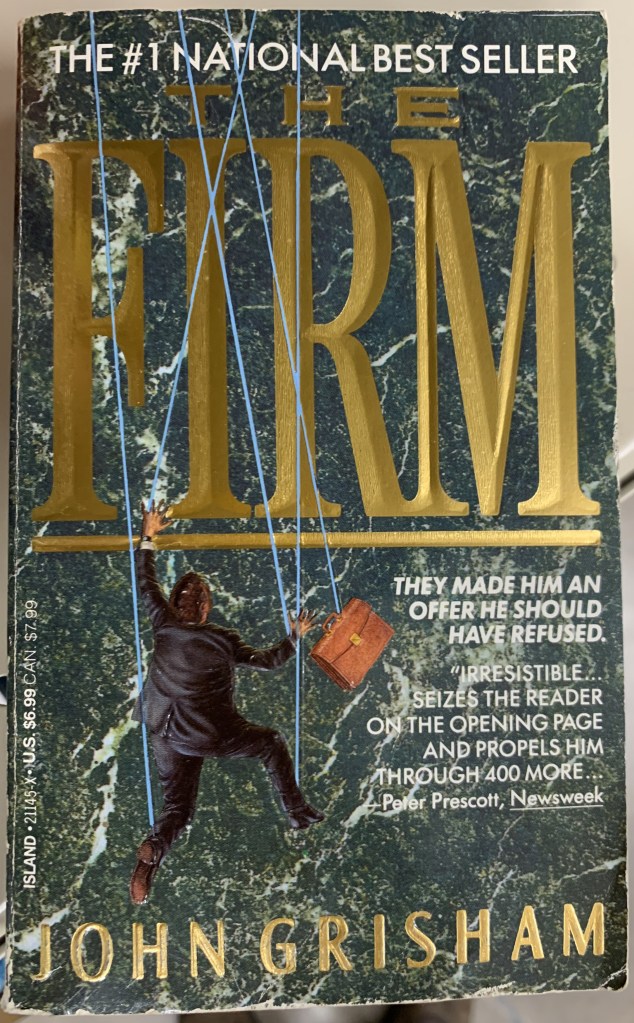
Back in 1991, when I was pushing a broom at Safeway on the night crew, (extremely boring) I was walking by the book section (incredibly interesting when pushing a broom over the entire store) and I saw the caption on this paperback: “Irresistible… seizes the reader on the opening page and propels him through 400 more…”. Yeah, right. I didn’t buy that, but then again, I did. I gave the book a shot. Well, Peter Prescott from Newsweek was absolutely correct! I read that book within a day or two, one of the most fun reads I’ve ever experienced. None of the subsequent Grisham novels did as well with me, I read five or six more and then never read him again. The movie turned out really well, too.

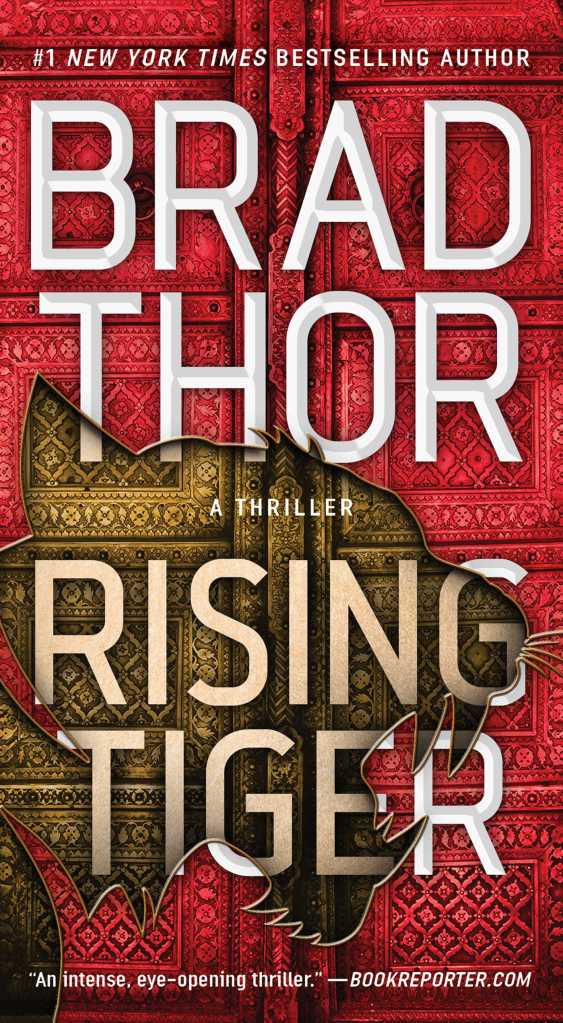
I read exactly six Stephen King books around the same time, they were the cool kind of book to carry around at school. And around the same time as The Firm, I read six Dean Koontz books as well, and that was it. All three authors were pretty good, however, examples of where I was just done with all of them even though they most likely have a lot of great books I haven’t read. I’d get back into them again if I didn’t have as many reading projects as I currently to, I’m not really looking for more to read! I’m still just past halfway through my 52-book Vince Flynn/Brad Thor/Kyle Mills re-read.
I saw this paperback at the thrift store yesterday and it reminded me of that wonderful read.

However, I do have a copy of The Firm in hardback, and it will always have a place on my shelf due to the great read that it was. My original paperback, I lent out to a friend and never saw it again.

My Most Serious Dilemma

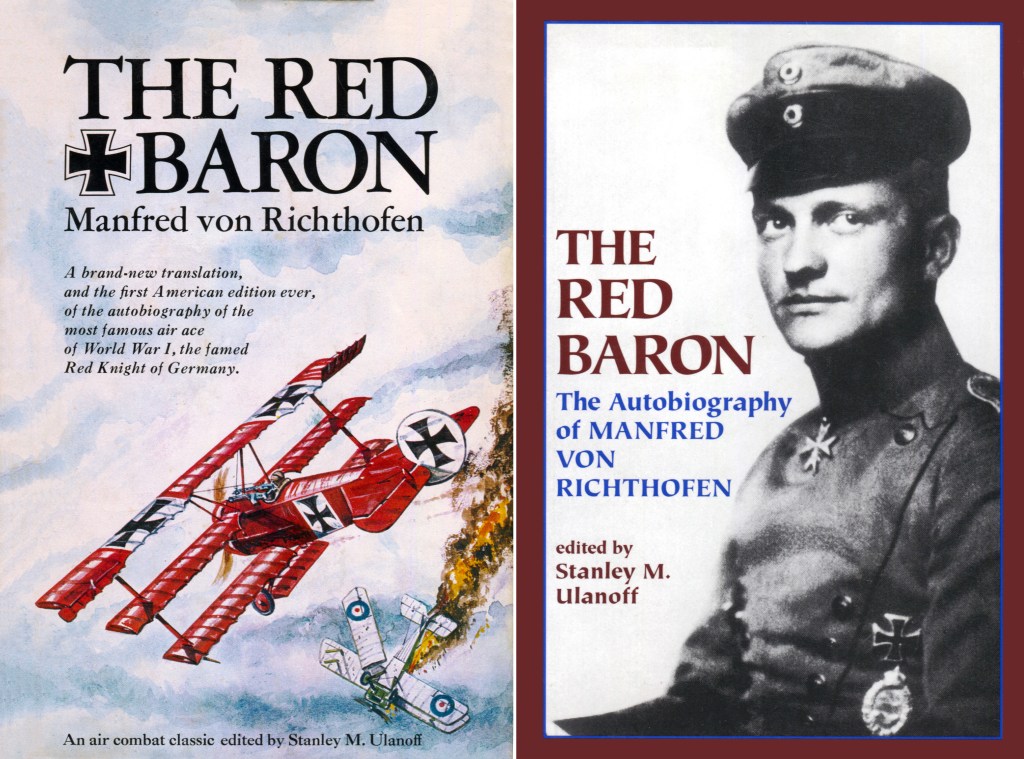
As a collector of books,(or, as I like to think of it, Assembler of the Grand Library of the House Rydberg) I present to you a common problem; on the left, is the first American edition of Manfred von Richthofen’s (aka The Red Baron) autobiography. On the right, is the 1995 Barnes & Noble reprint. I already had the reprint in my library, and while at the thrift store, I came across the older version, and was impressed by the wonderful cover.

Visually, I knew I didn’t have a book with that cover art, so to be sure, I checked my extensive and detailed list, and verified that I had the copy on the right, but I’d listed the author as “Stanley M. Ulanoff”, who was actually only the editor of the book. I didn’t remember this book as Richthoven’s autobiography, but only as a book about him. So, thinking this was a completely different book on the Red Baron, and an autobiography to boot, I bought this older version ($2.00).

Upon filing this away in its proper place on the shelf, I discovered that I now I have two copies of the same book. This kind of thing can easily happen, when a book is republished in a different decade, with a different cover, and I usually catch these 99.9% of the time when I check my list. Woe to me if I don’t check it the sacred list!

My further dilemma, however, is that the book on the left is such a delight with this really neat cover art, the old-book smell (1969), and yellowed paper with deckle edges. The reprint (1995) has a very generic cover, (someone just took Richtoven’s photo and slapped it on there with a solid white background and burgundy border) and normal-cut, non-faded solid-white pages.

So, the dilemma: which one do I keep? Shelf space is precious, and I can’t afford the space to start collecting different versions of the same book. The newer version’s only real selling point to me is that the paper is clean and white, and there is something about that which has a benefit all its own. I can’t explain it. I’m definitely not going to let the older version go, but I don’t want to let the newer version go. I’m the kind of guy who likes books in both old and beat-up, as well as brand-new condition. Each version has its own appeal.

I’m leaning toward keeping both of them, anyway. Neither is a large book, they are both the same size. I’m not sure of the method, but this newer version is a seemingly scanned-to-print copy and not a re-worked new version, so, a true copy down to the inside illustrations. And that art on the older edition is so good, with the large title and Iron Cross (And no, that has nothing to do with the Swastika, it is a native Prussian/German symbol/award that was commissioned by Frederick William III in 1813, and is still used today in the German Armed Forces.)

I’d inquire of anybody who acquires books as to whether this is a common problem, but I know if a person has a library of any great volume, than they occasionally have this most distressing dilemma. It is a far better problem to have than say, having books disappear from the shelves!

I recently finished a book by Eddie Rickenbacher, the United States’ ace, and it was the same size but in a deluxe format, gilded pages and all. A very interesting topic and recalled first-hand from the men to experienced the first air combat in human history.

Newer Historical Books

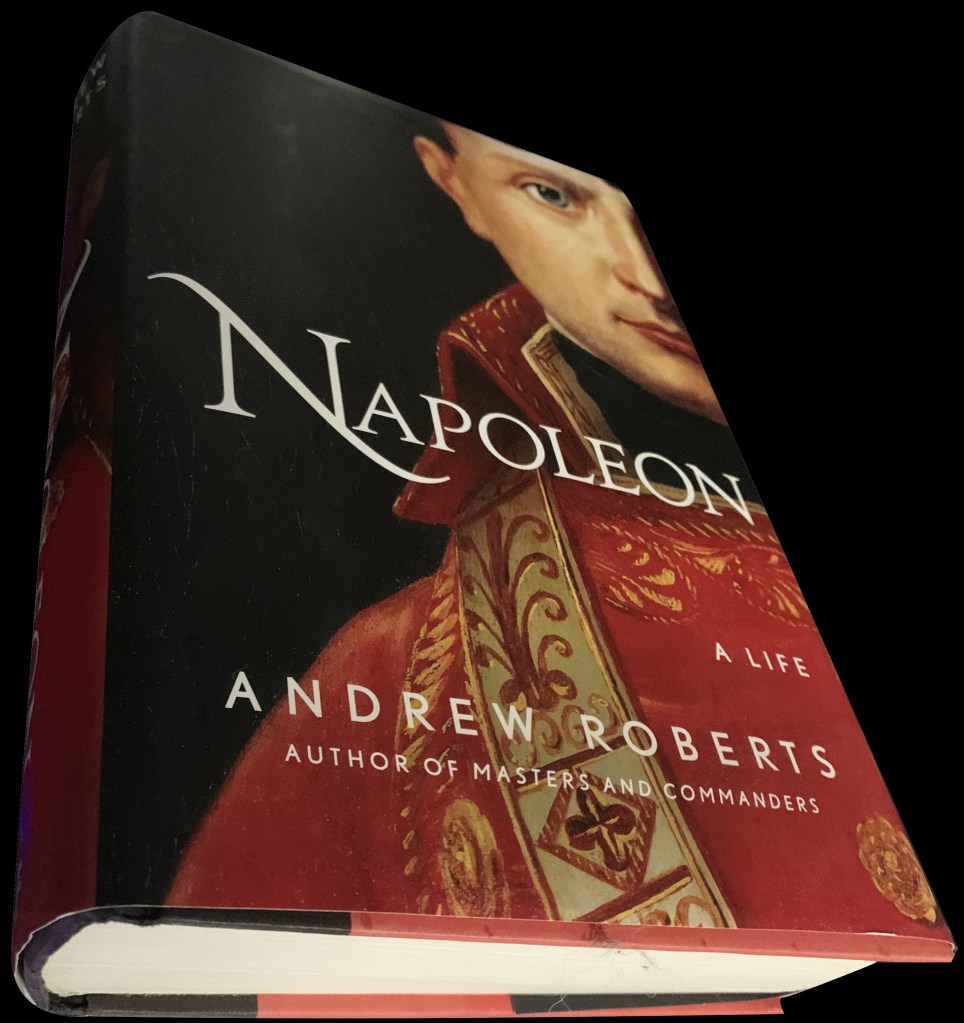
It blows my mind how a well-written 800-page book like this can go for only $2. It is interesting how more recent books on historical figures have a different viewpoint compared to older books, for various reasons. Apparently, there were 1,500 people who knew Napoleon and left writings about him, and there is so much to discern from these writings because of different viewpoints, biases, various intentions, including from Napoleon’s own writings, it is difficult to figure out where the truth lies. Which is why newer books by good authors (presumably) can uncover what older books can’t. In the case of Soviet topics, Russia has vast archives which are limited, if allowed at all, to an author. Many things have never been released, and those that have give newer works a different result from older books.

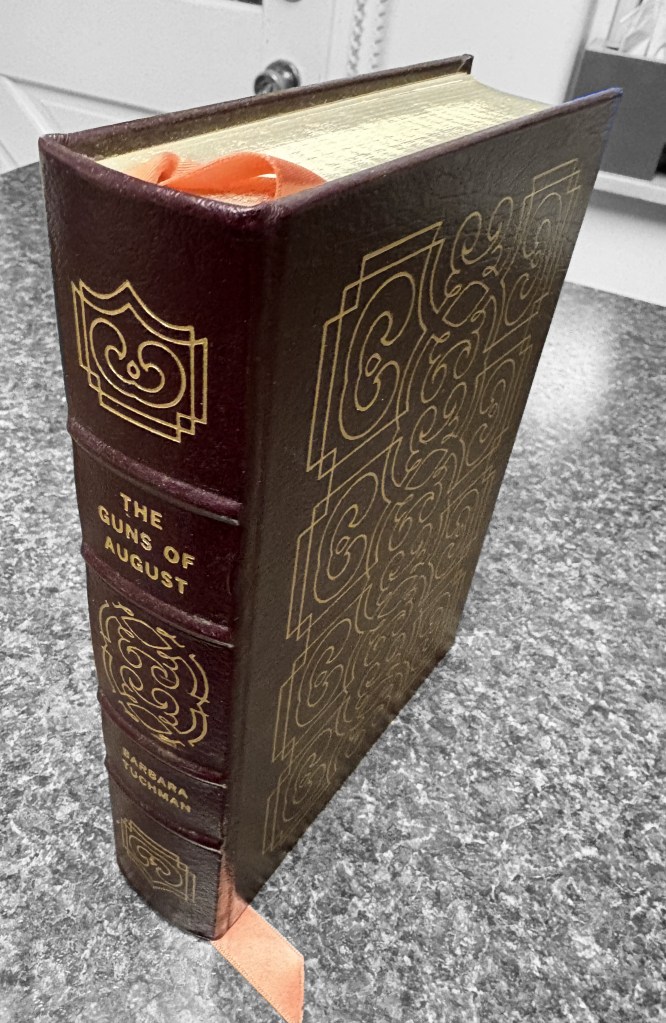
Still, I like reading the older books and they all aren’t rendered obsolete by newer ones. “The Guns of August” (World War I) by Barbara W. Tuchman, and “Adolf Hilter: The Definitive Biography” by John Toland, for example, are still highly regarded even though they are both around fifty years old. It is a shame more people don’t pick up on such great reading, it isn’t as if it is too expensive to get into. And the stories are for the most part, real.

My favorite form of history book however are the first-hand accounts, those are never outdated by newly released material.