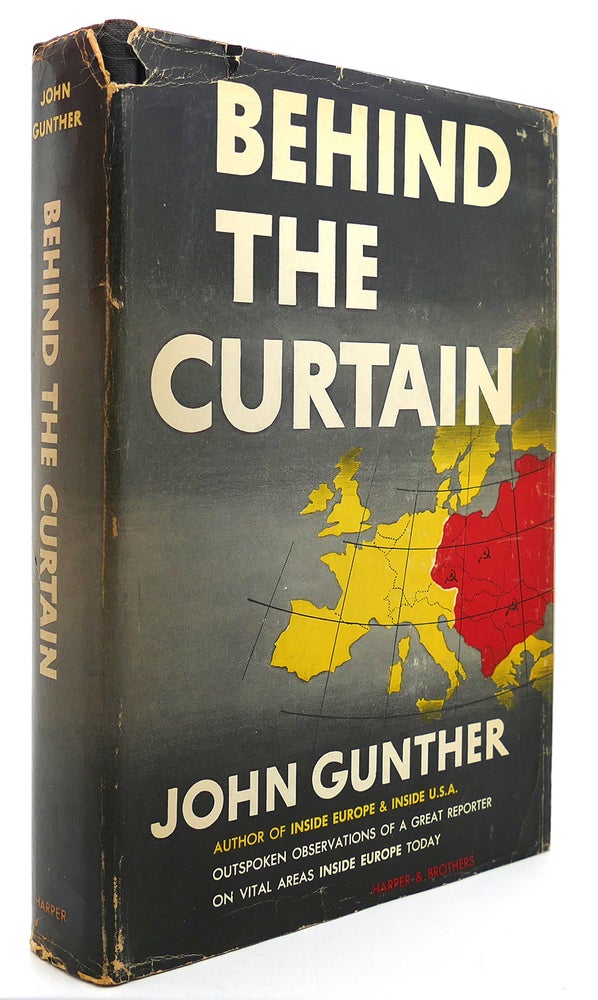
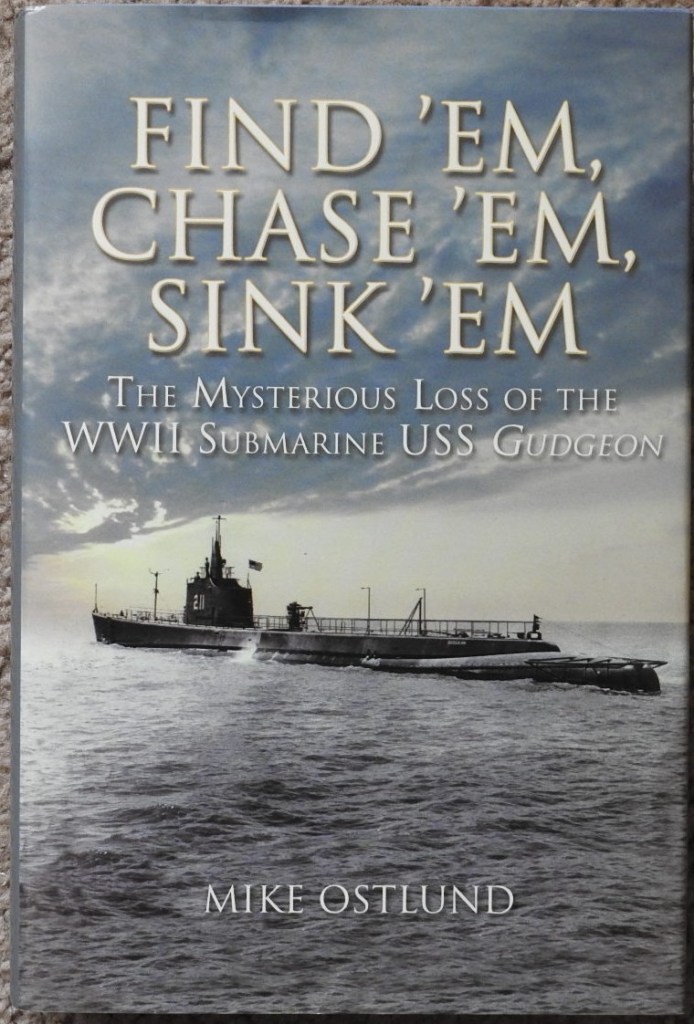
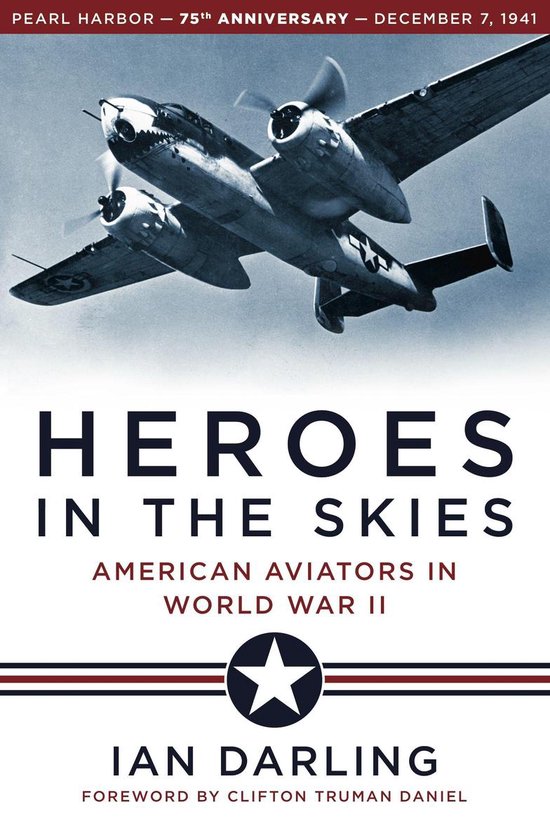
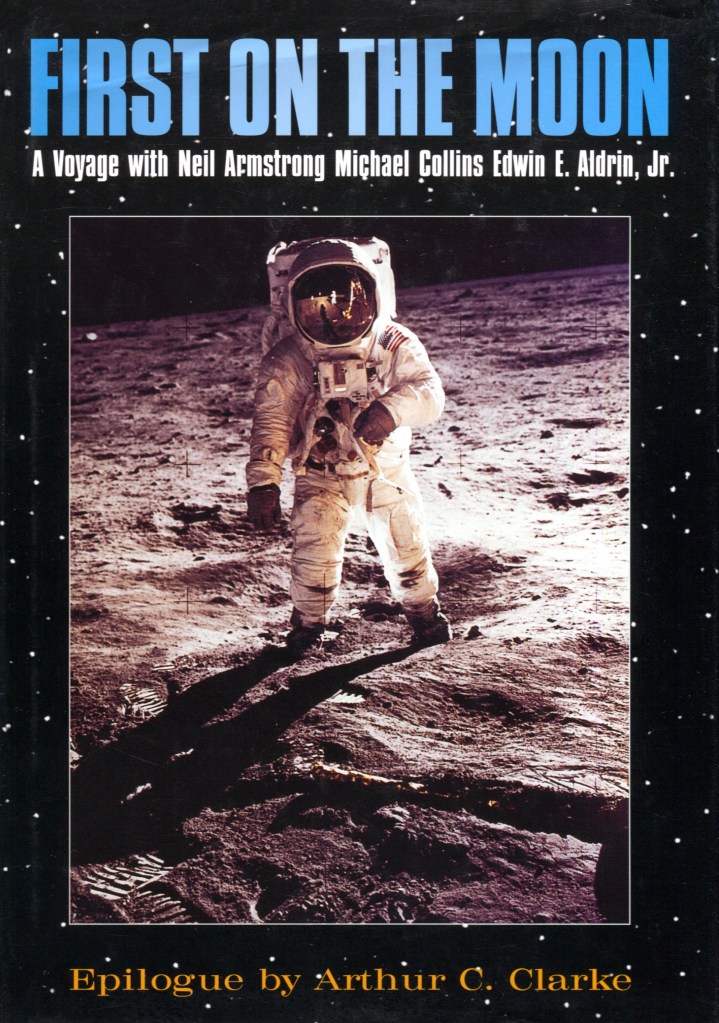
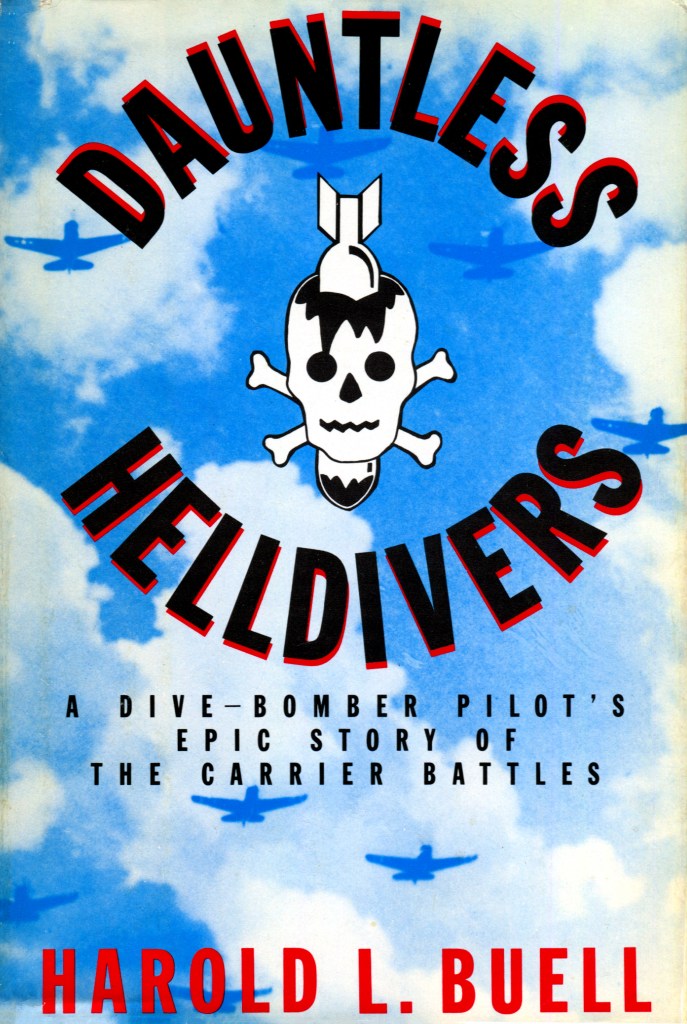
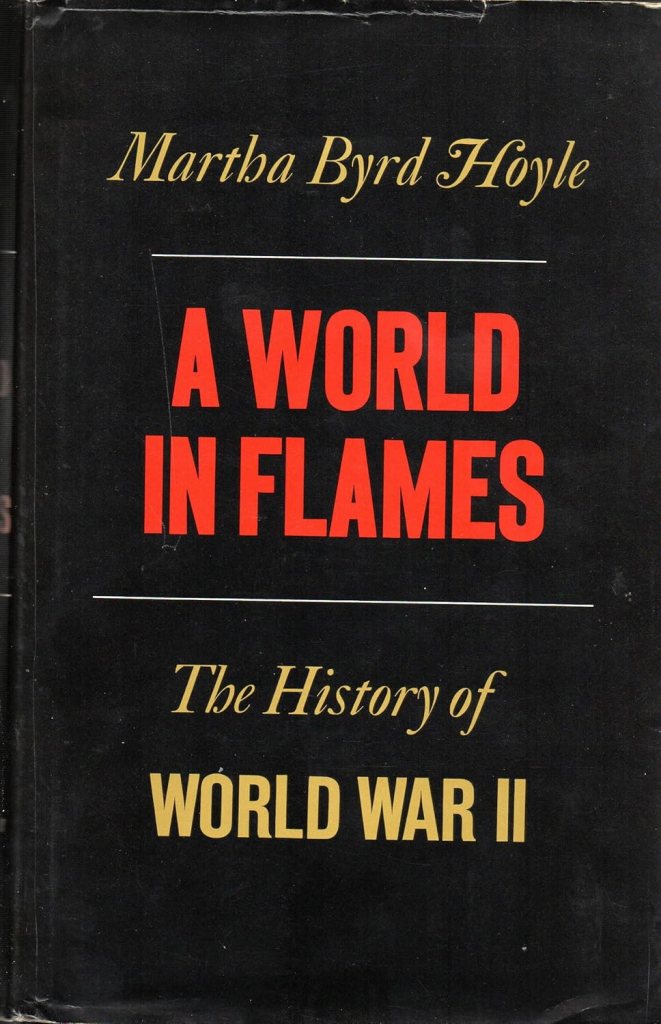
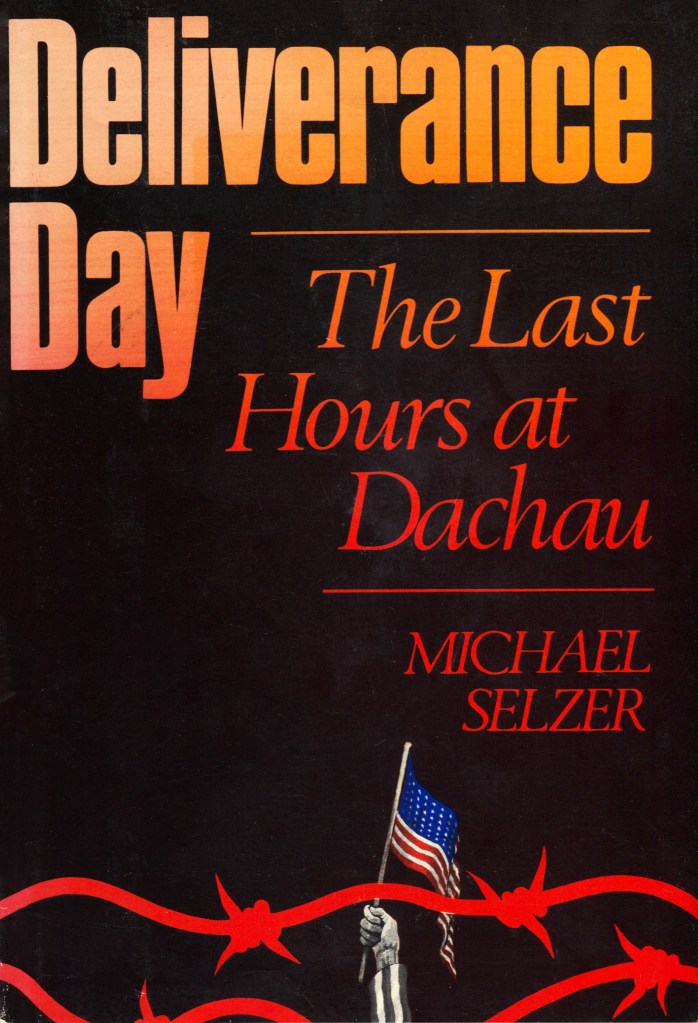
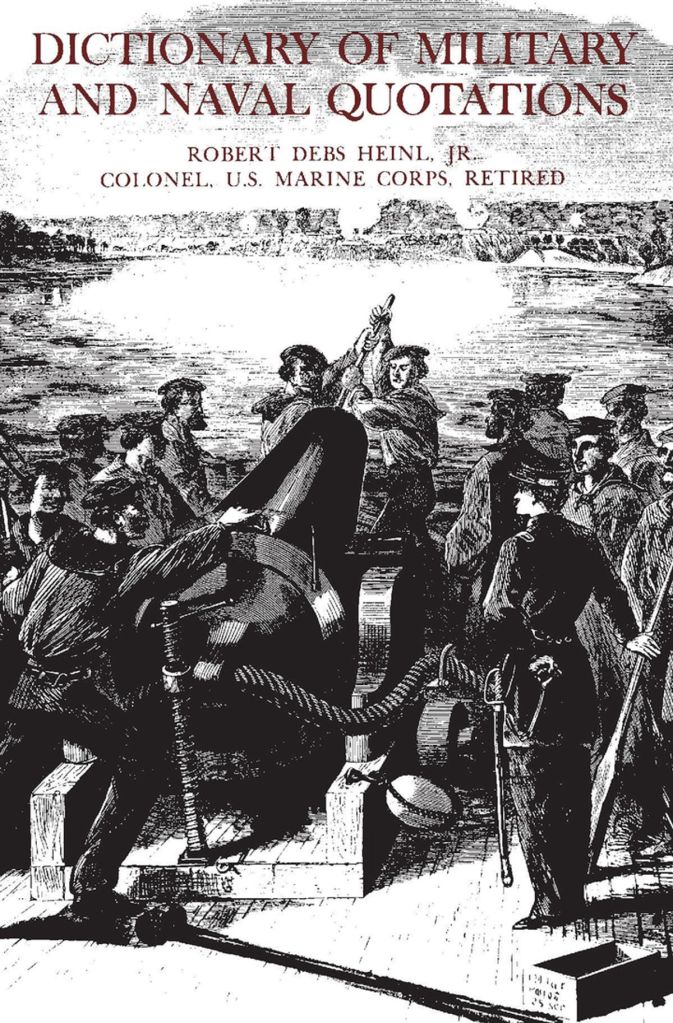
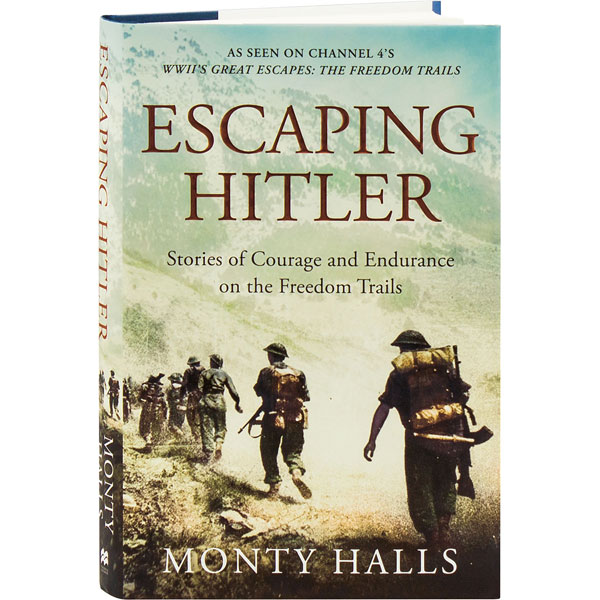
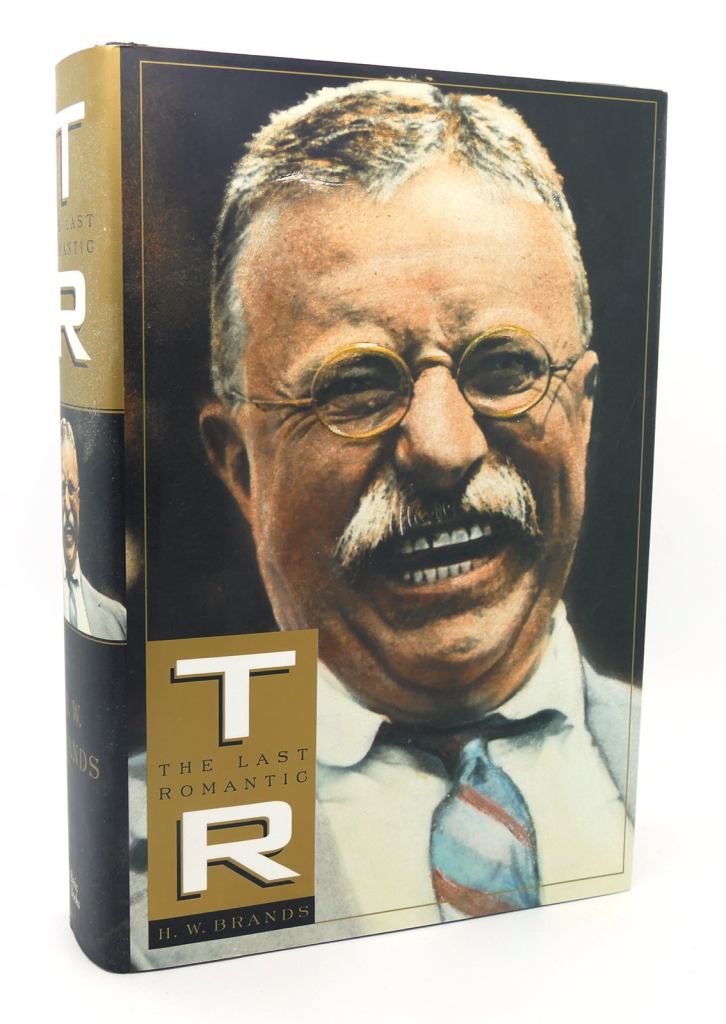
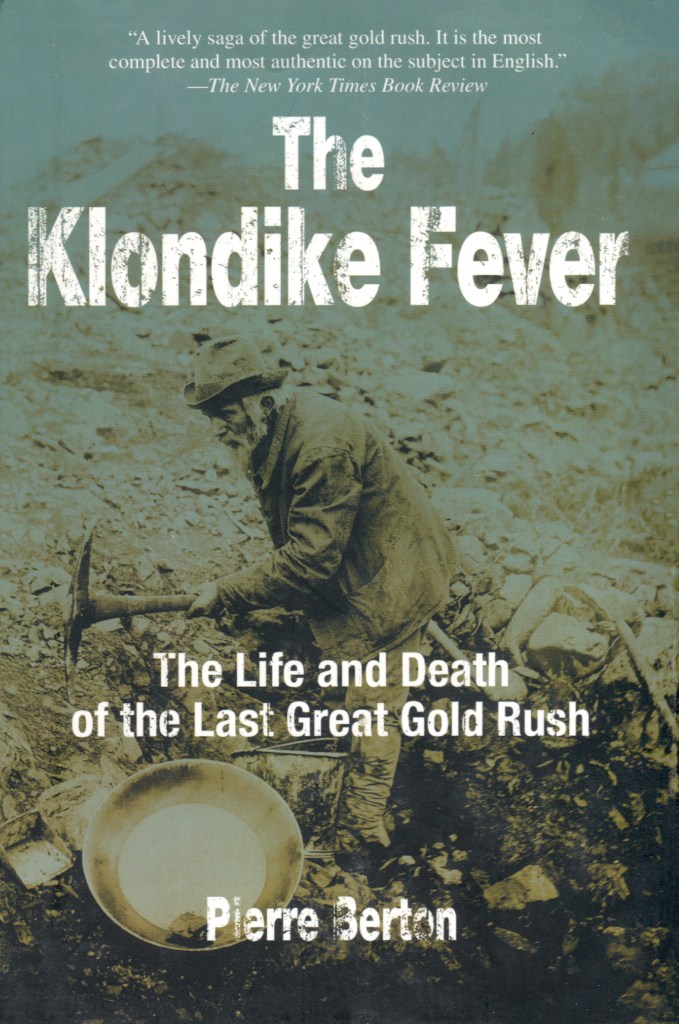
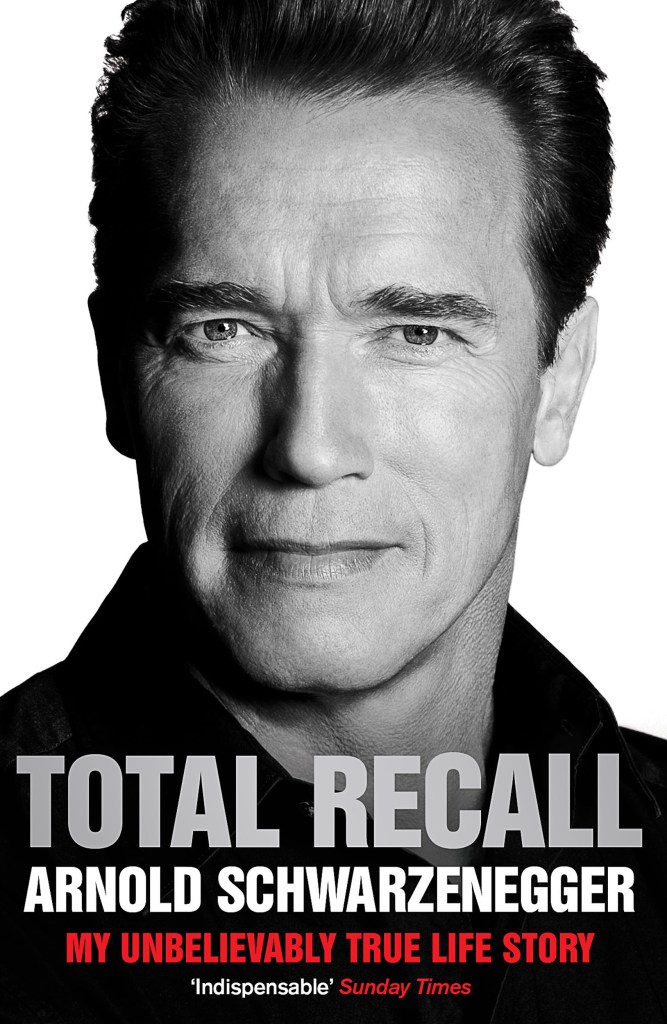
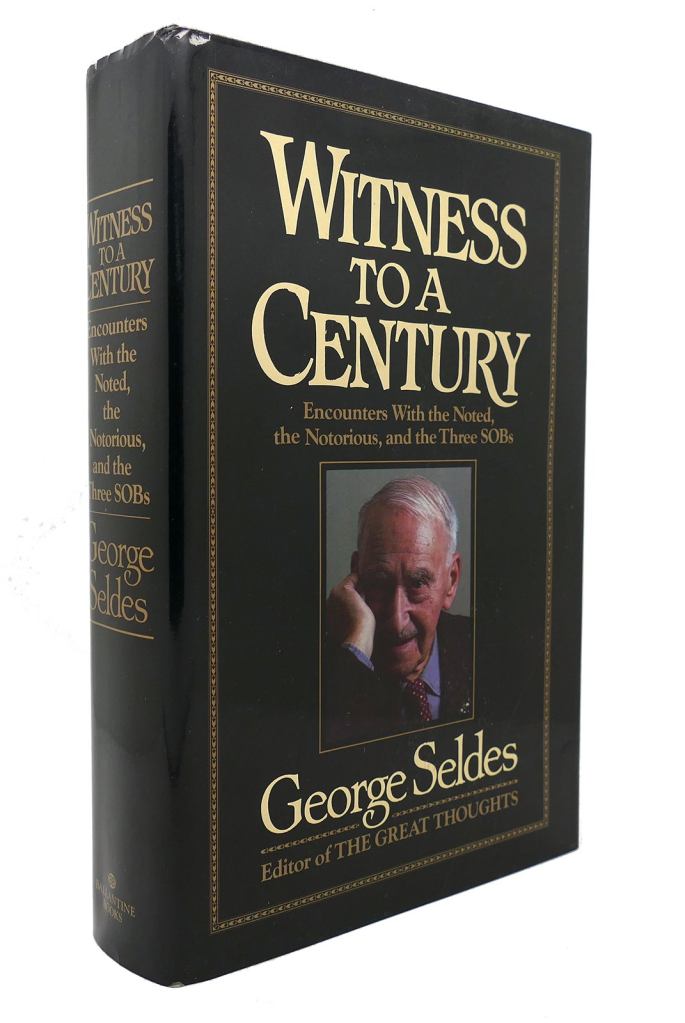
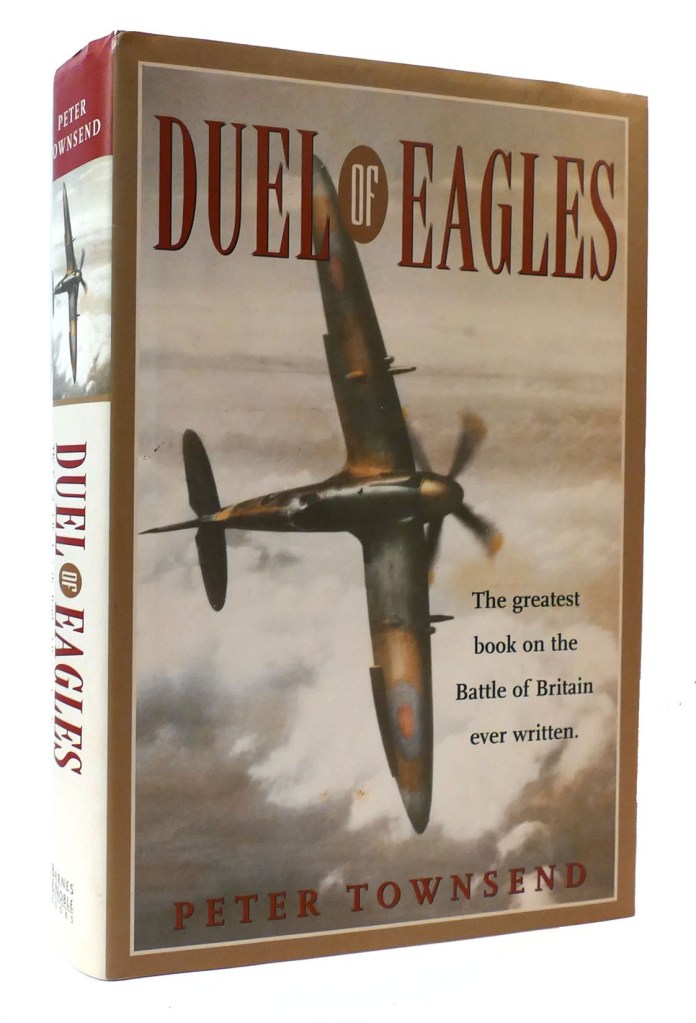
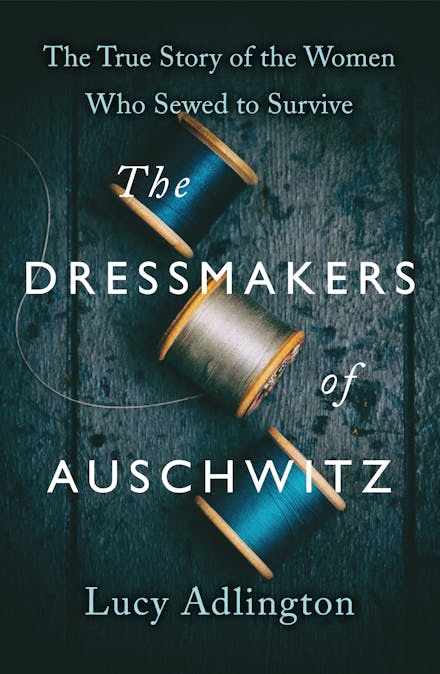
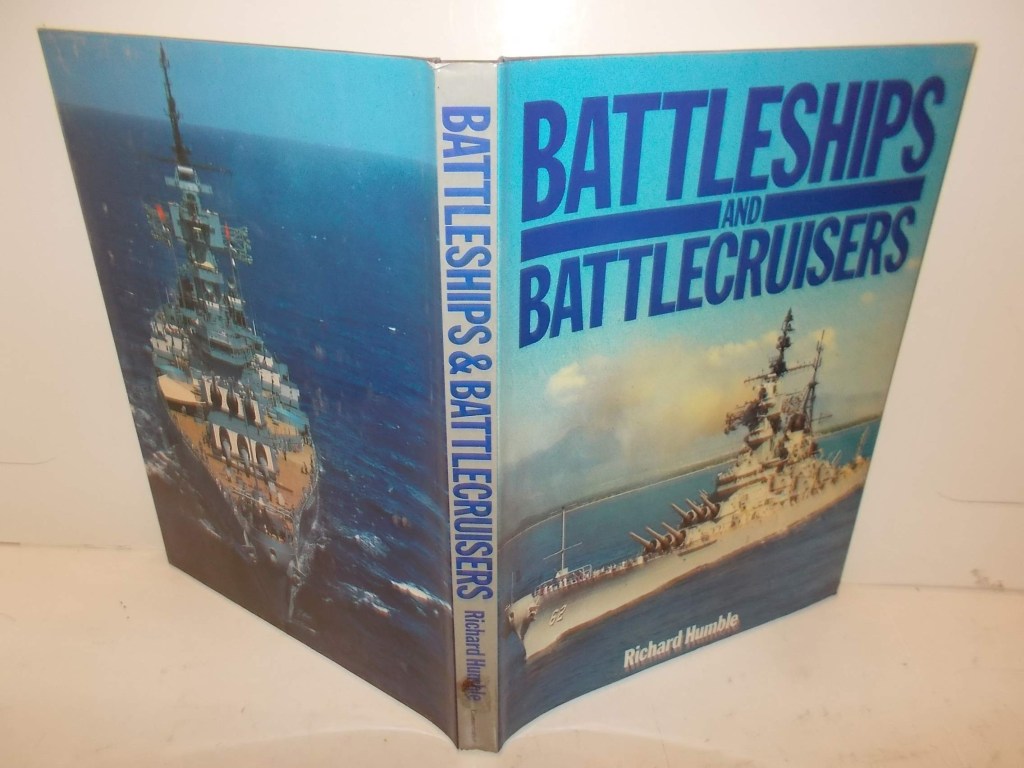
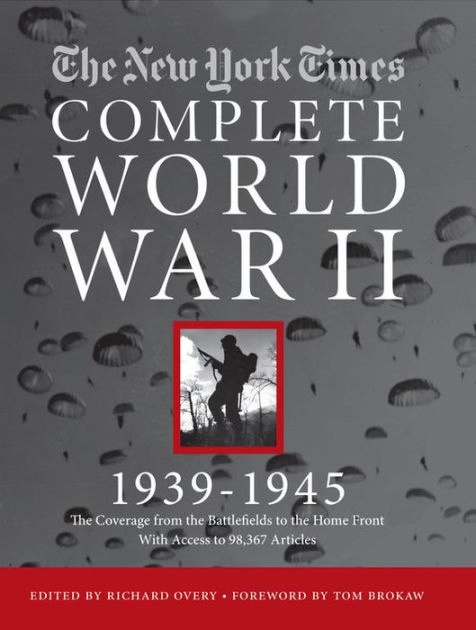
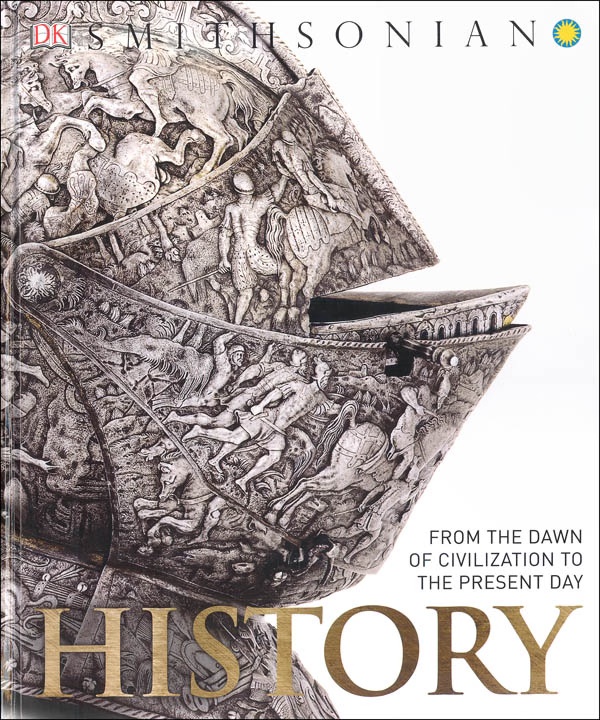
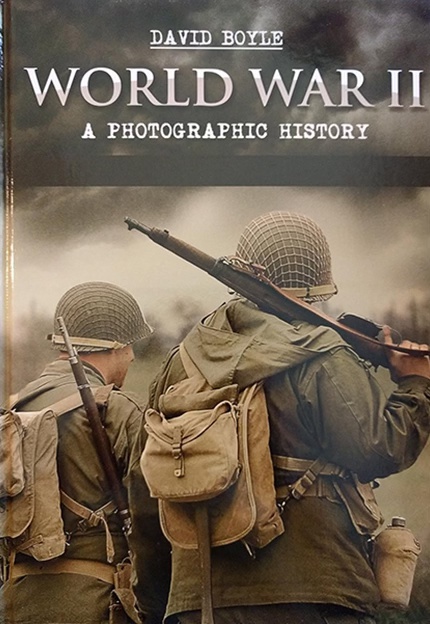
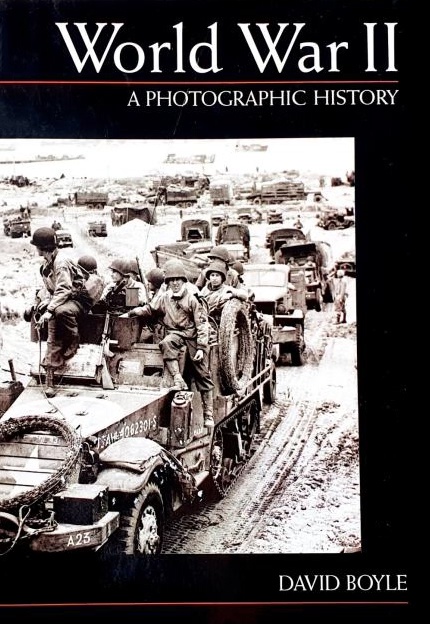
I have a list, the purpose of which is to avoid what happened today: I purchased a book I have already. The line was long, and I just saw the book over the counter, so I bought it because: The title is generic, (World War II: A Photographic History) and the cover was totally different from the book I knew I had at home. However, they were the same size. I had to trek back to the thrift store to exchange it for a book I had my eye on, (Smithsonian: History) but wasn’t half off. Always consult The List.
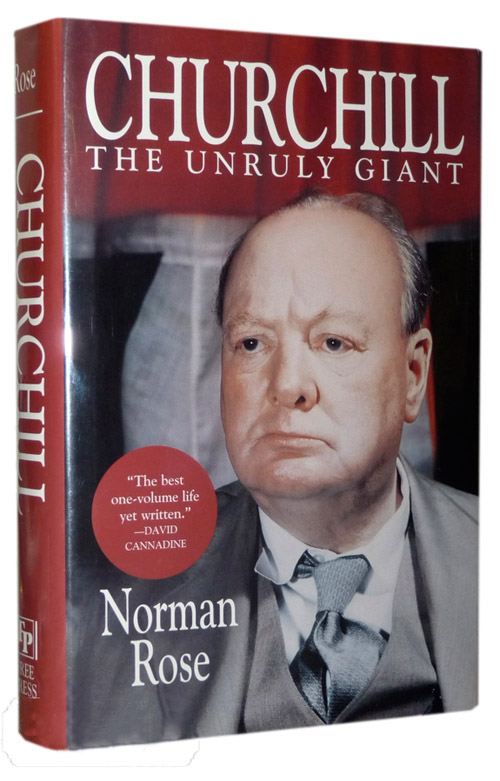
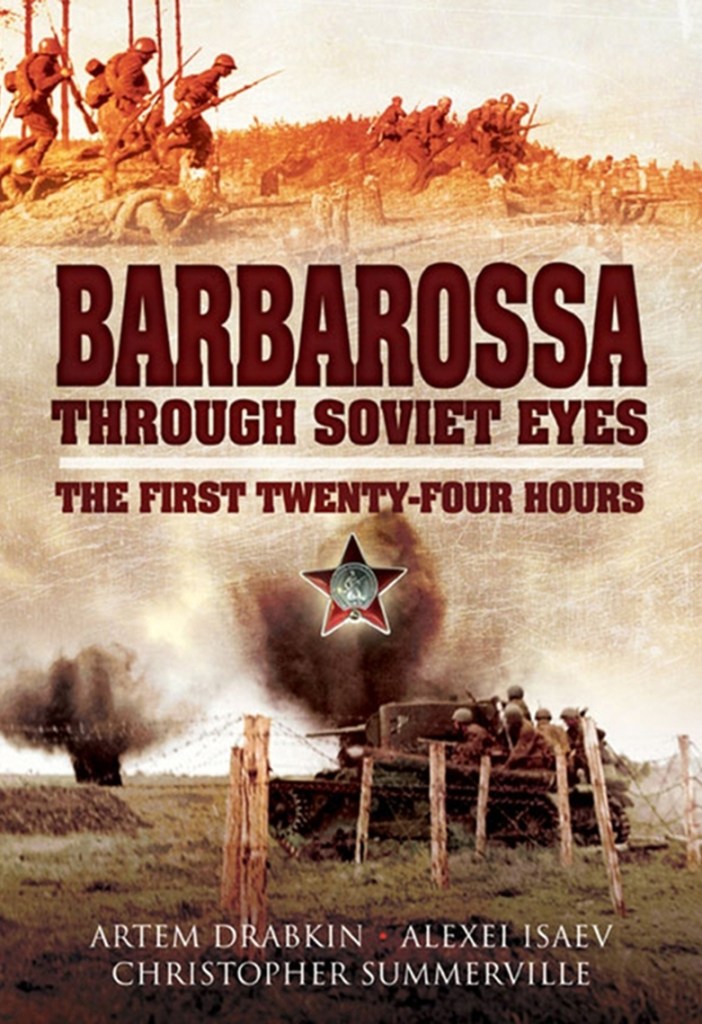
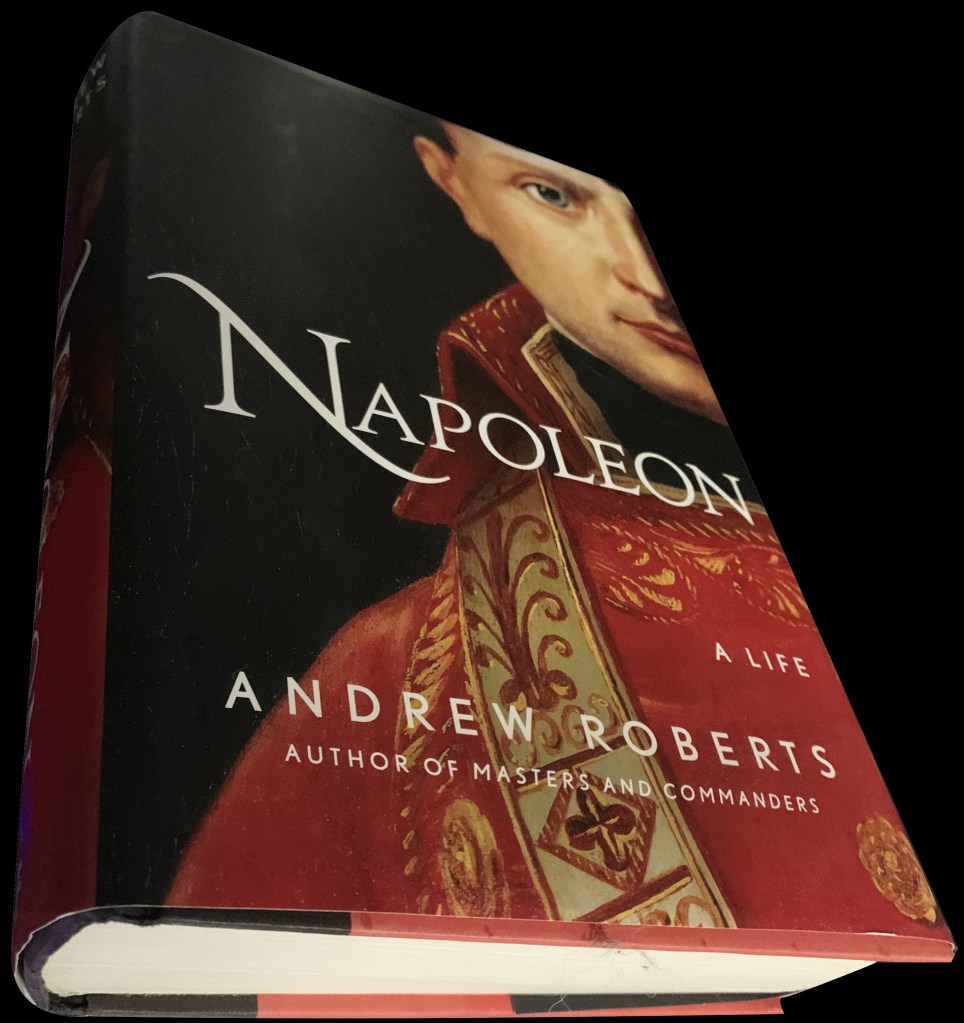
It blows my mind how a well-written 800-page book like this can go for only $2. It is interesting how more recent books on historical figures have a different viewpoint compared to older books, for various reasons. Apparently, there were 1,500 people who knew Napoleon and left writings about him, and there is so much to discern from these writings because of different viewpoints, biases, various intentions, including from Napoleon’s own writings, it is difficult to figure out where the truth lies. Which is why newer books by good authors (presumably) can uncover what older books can’t. In the case of Soviet topics, Russia has vast archives which are limited, if allowed at all, to an author. Many things have never been released, and those that have give newer works a different result from older books.
Still, I like reading the older books and they all aren’t rendered obsolete by newer ones. “The Guns of August” (World War I) by Barbara W. Tuchman, and “Adolf Hilter: The Definitive Biography” by John Toland, for example, are still highly regarded even though they are both around fifty years old. It is a shame more people don’t pick up on such great reading, it isn’t as if it is too expensive to get into. And the stories are for the most part, real.
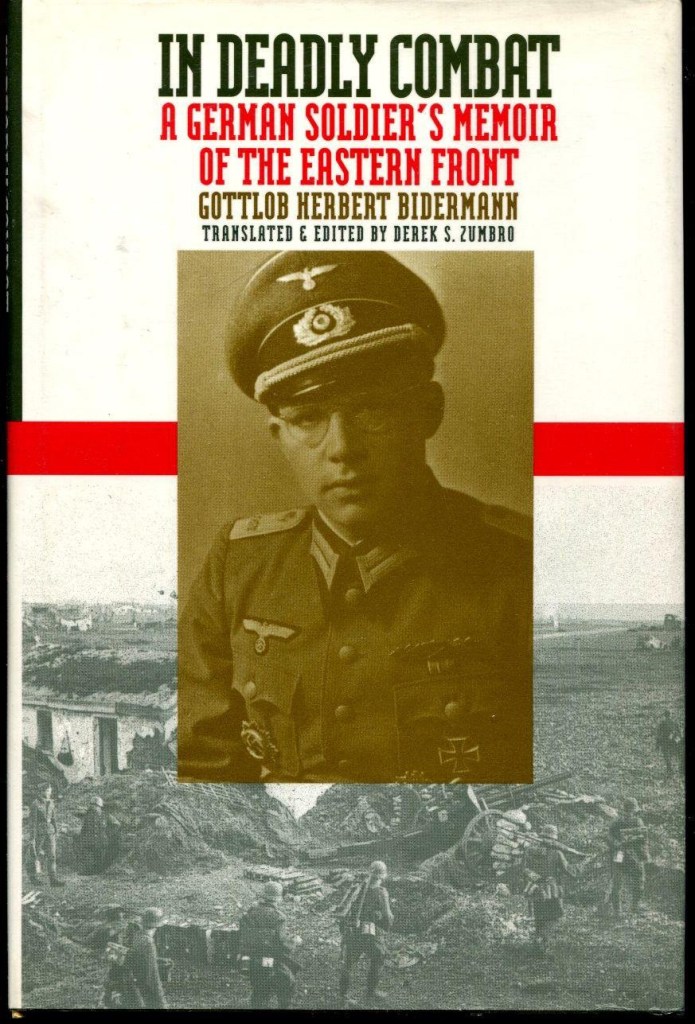
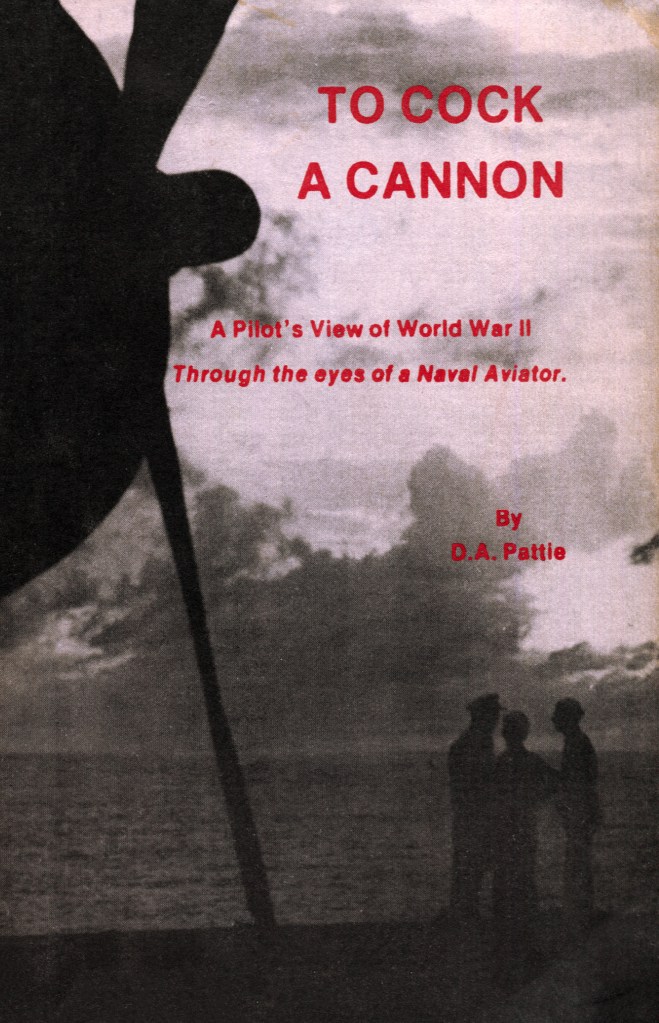
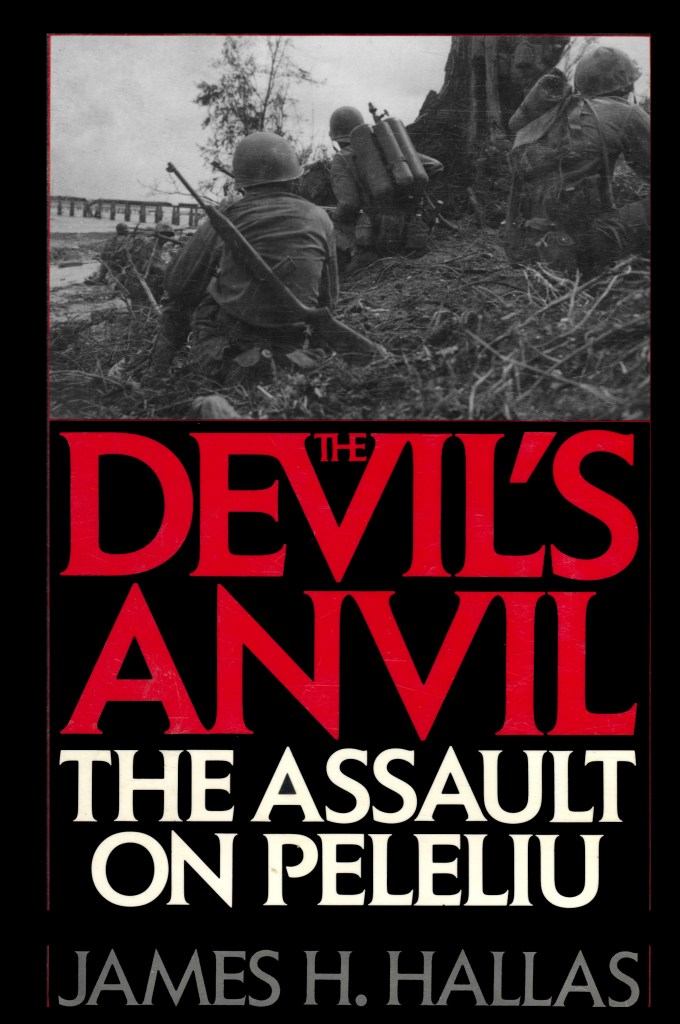
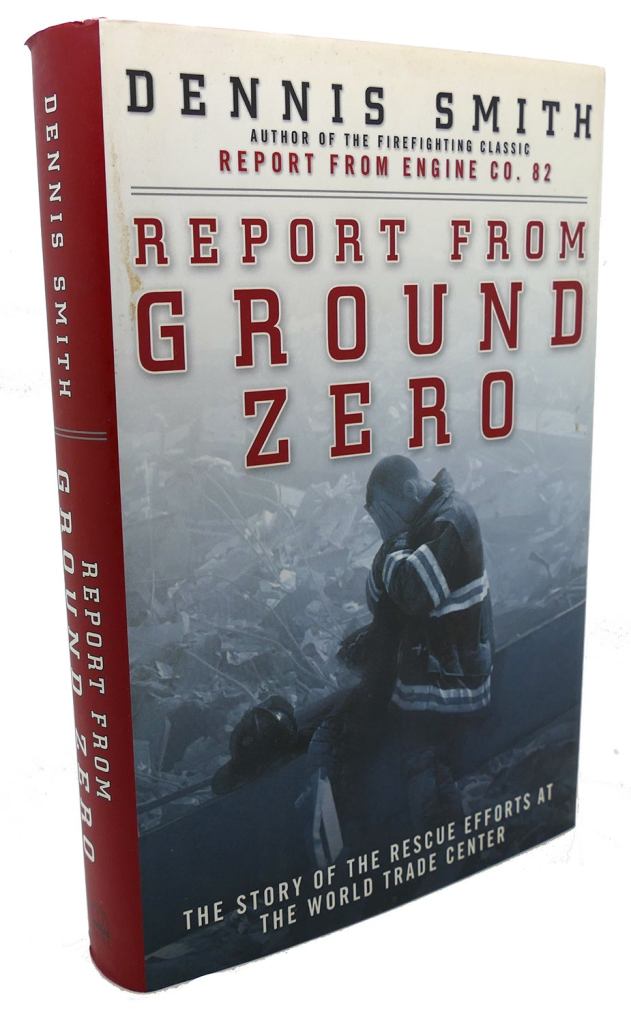
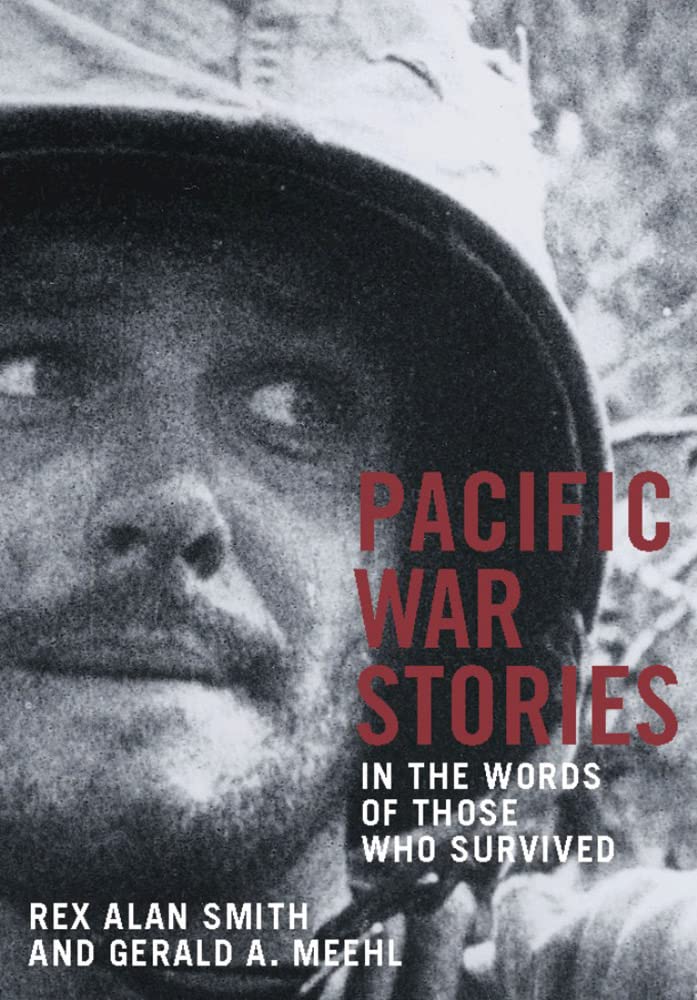
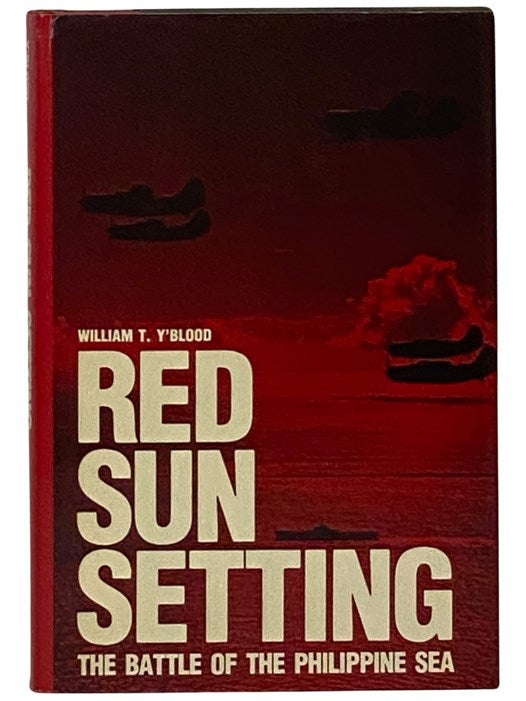
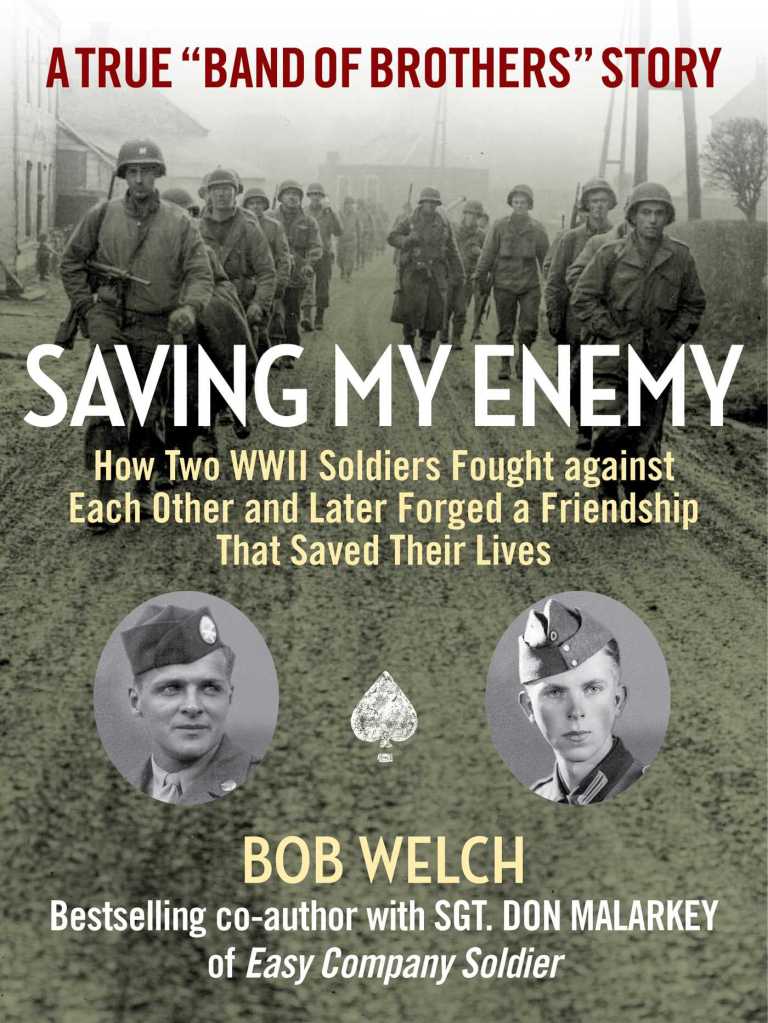
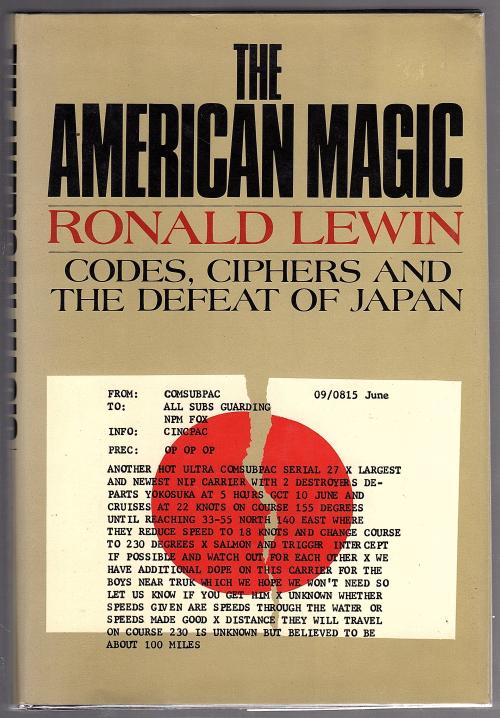
My favorite form of history book however are the first-hand accounts, those are never outdated by newly released material.
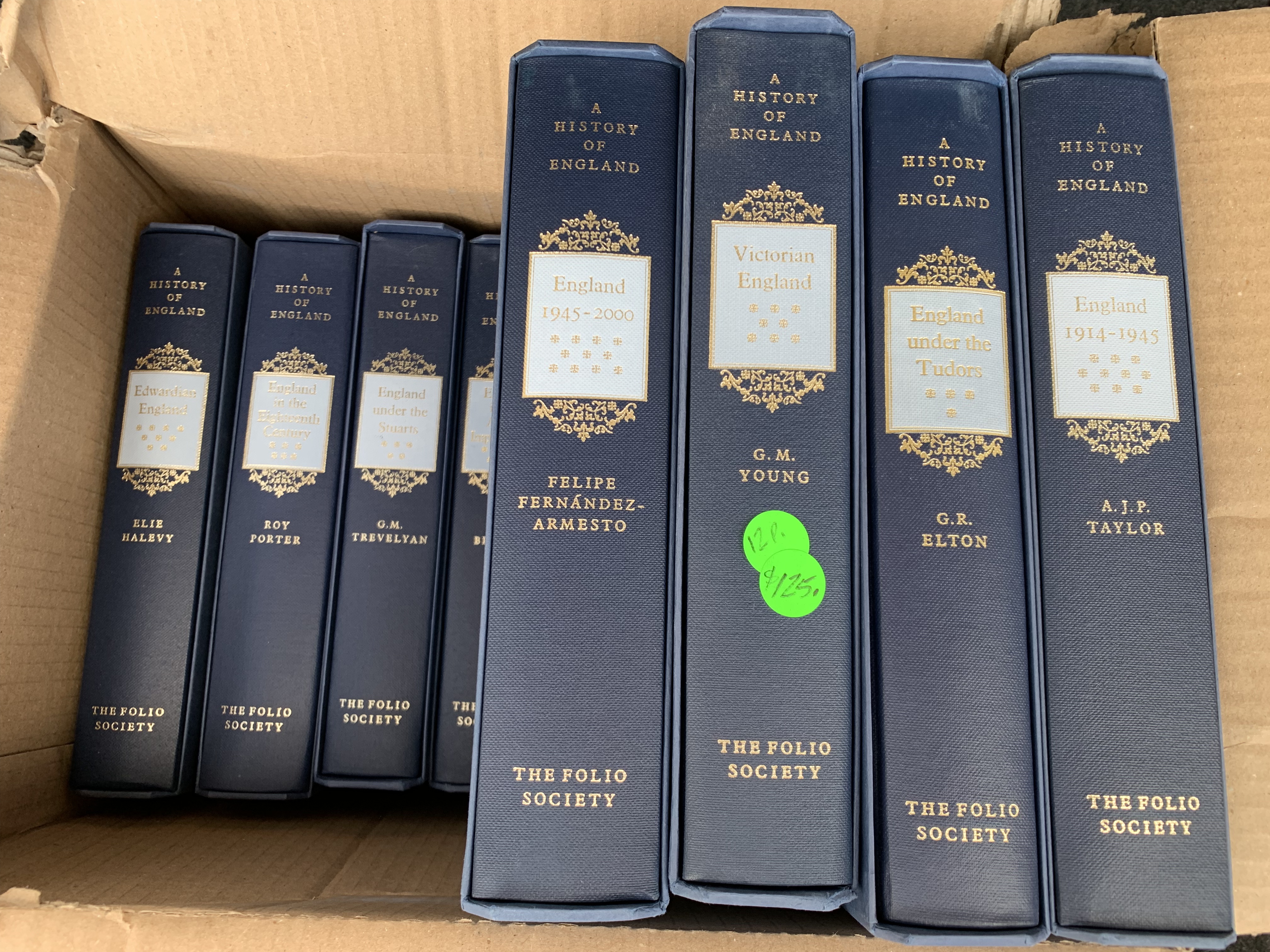
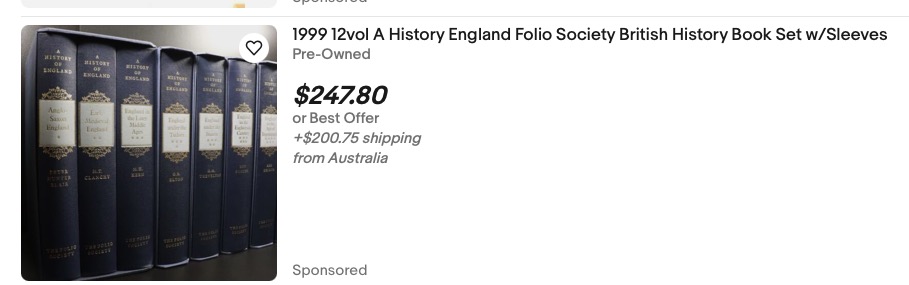
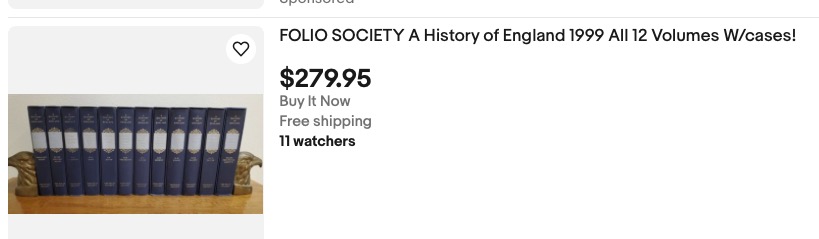
They were asking $125 for this entire set, two of which are on eBay for $250. My dad got them down to $60 and bought them for me. The second day of a garage sale makes the sellers more open to lowering prices, they had a lot of older books that didn’t seem to be moving, unfortunately. I almost bought a really good book on the Boer War that I already had, so, my list continues to pay off! The Folio Society makes great books, so this was a really good deal.
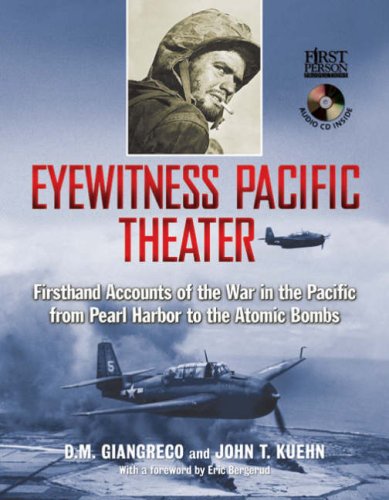
Eyewitness Pacific Theater • I have the companion book “Eyewitness D-Day”, so this was a nice find, and will compliment my other volume.
Victory at Sea • Wow, the cover of this one reminds me of another book I have. I hope I didn’t already have it!
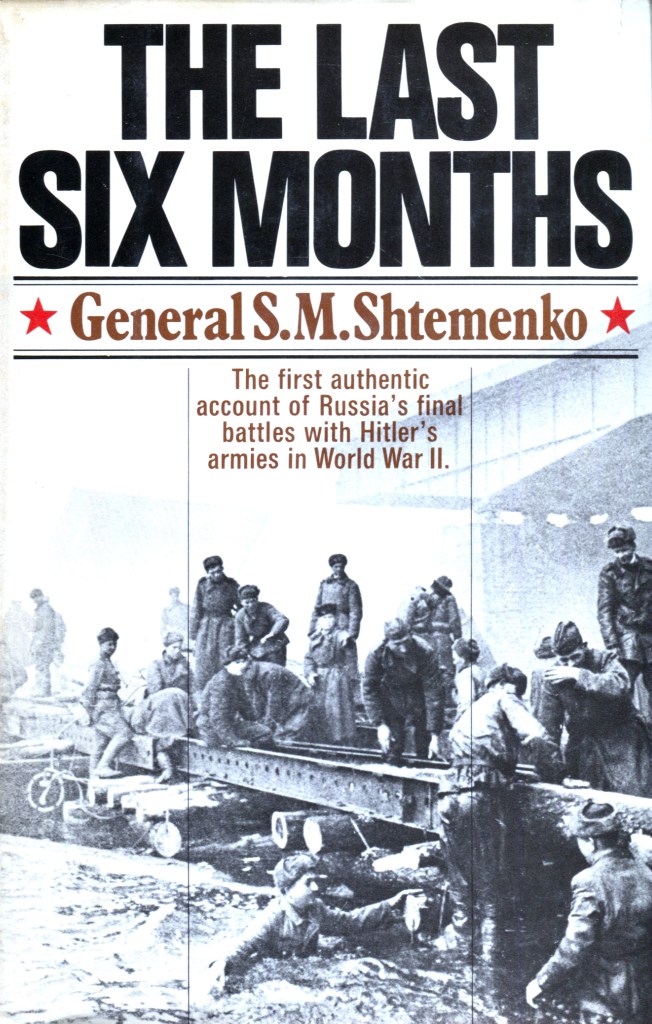
Stalingrad to Berlin • Same with this one. When you have a lot of books on the same topic, sometimes they start looking alike.
Hitler: Downfall 1939-1945 • This is the second of two books, but published four years ago so the info inside is going to be different from the 1967 book I read on the same subject. I have others like this but the more views I read on this, the better.
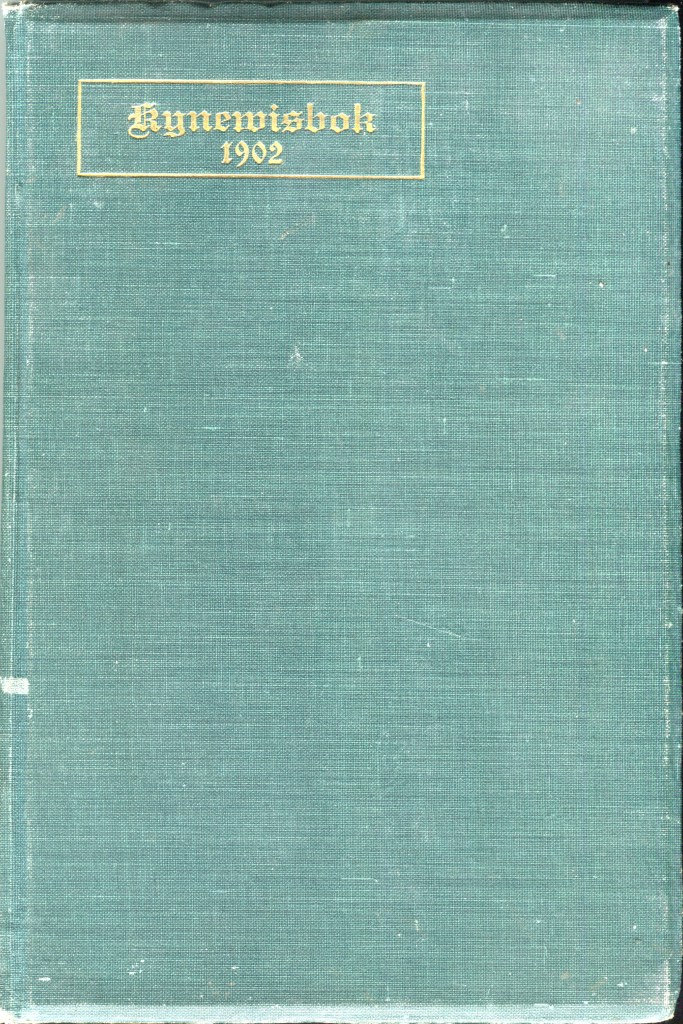
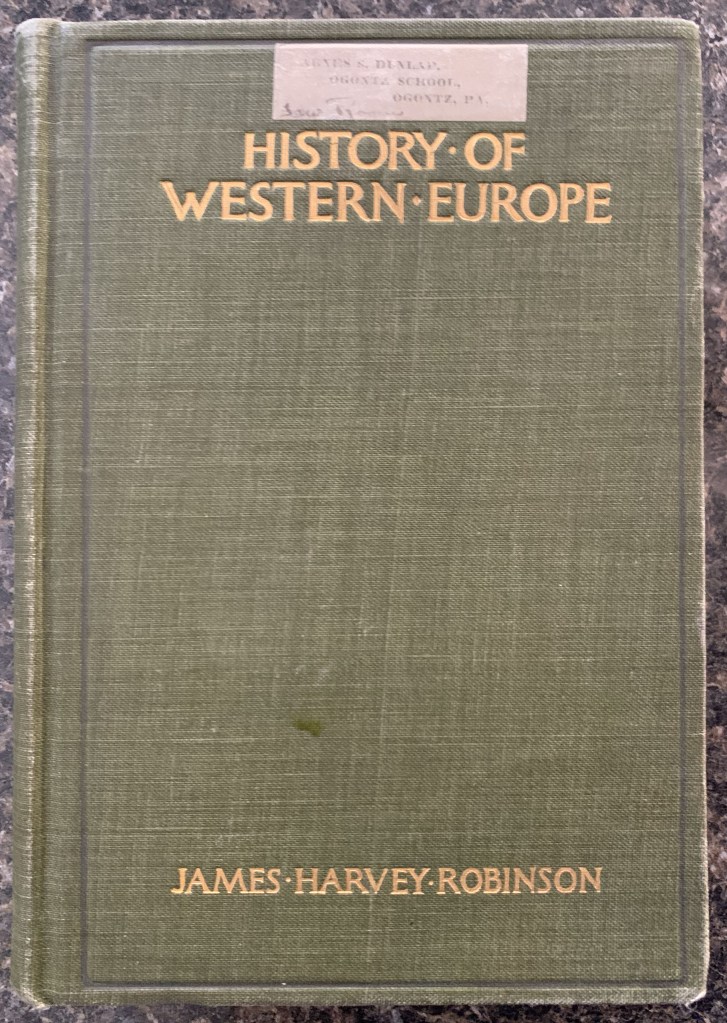
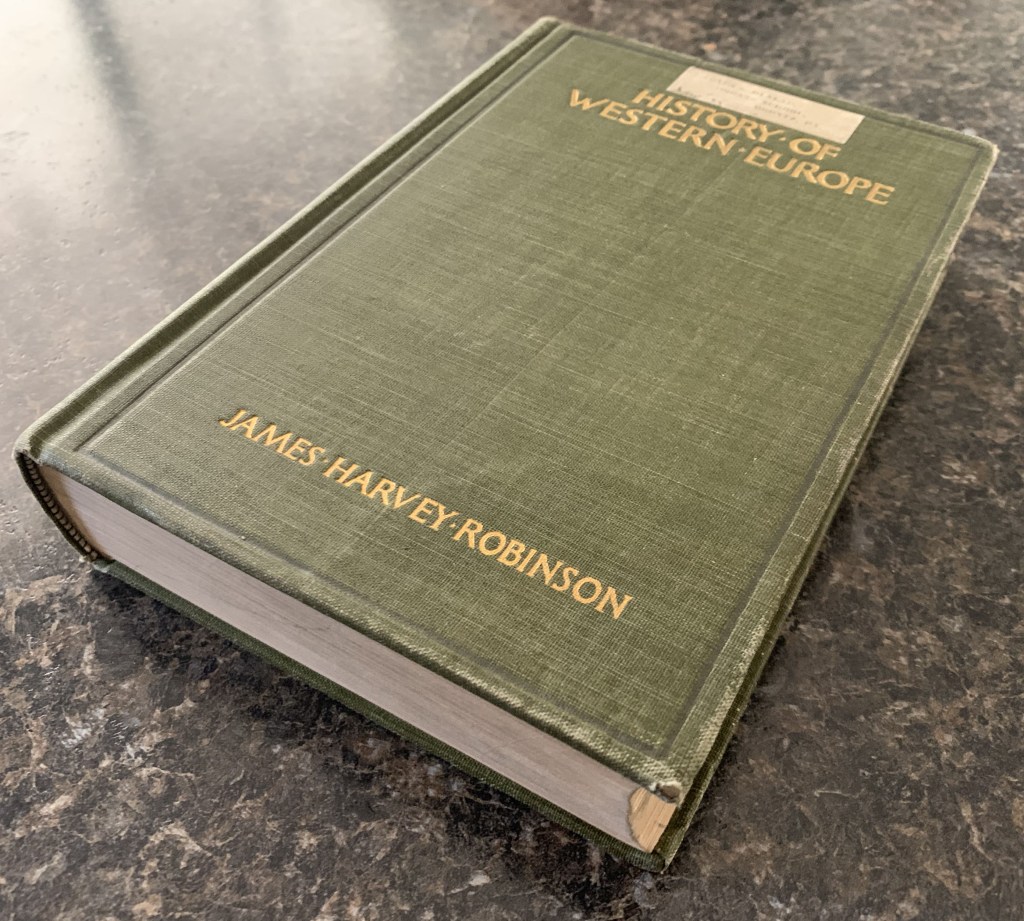
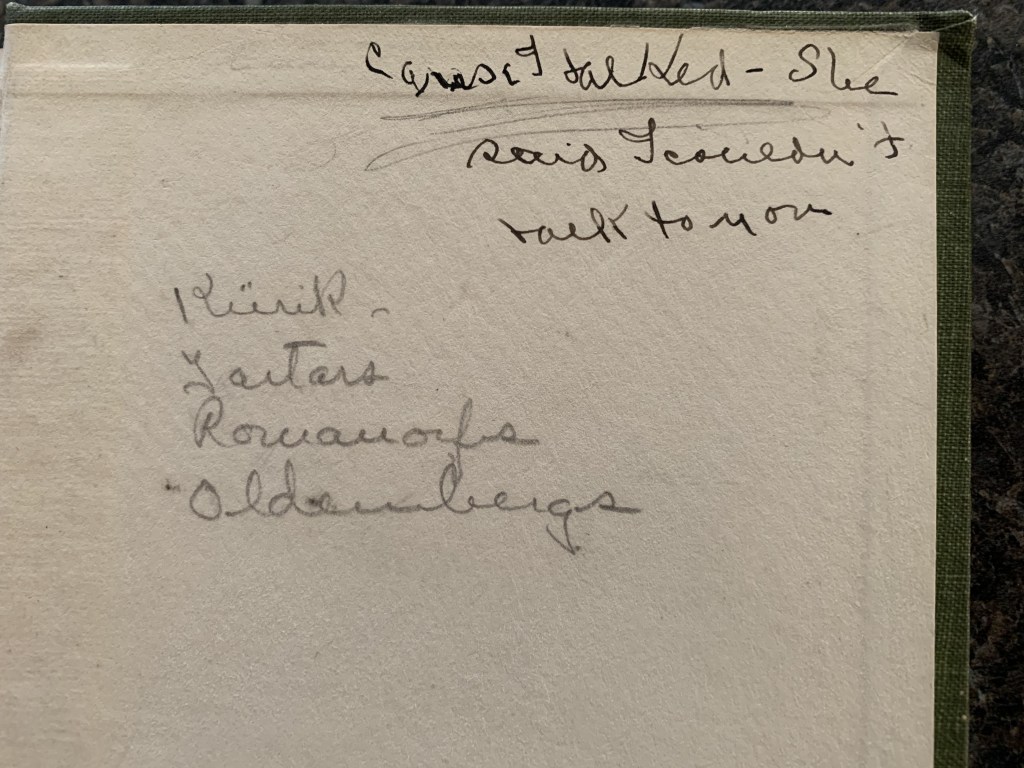
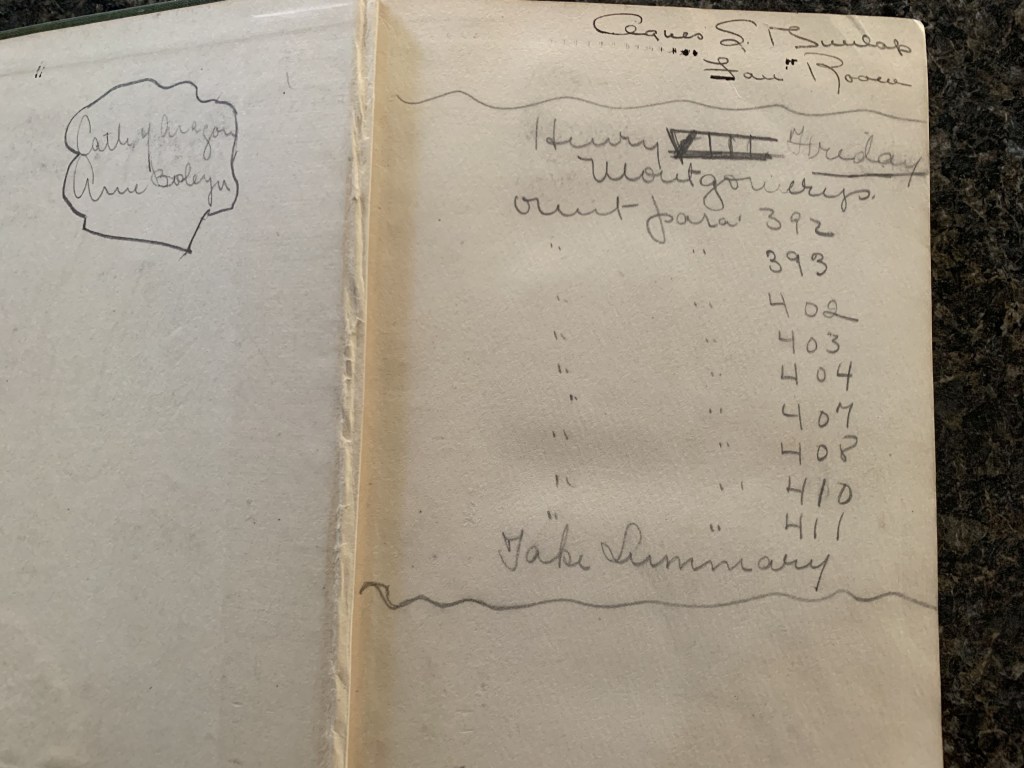
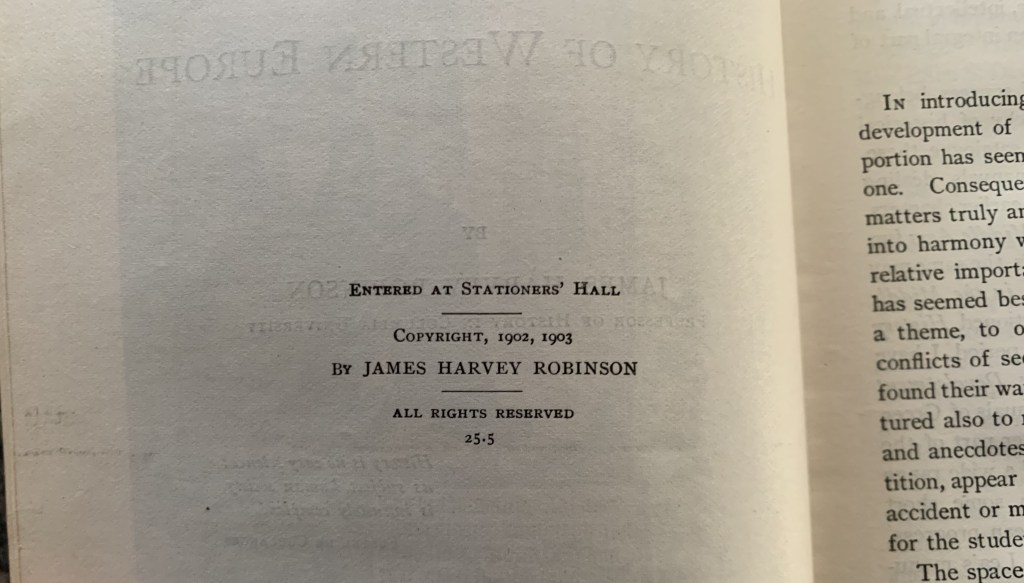
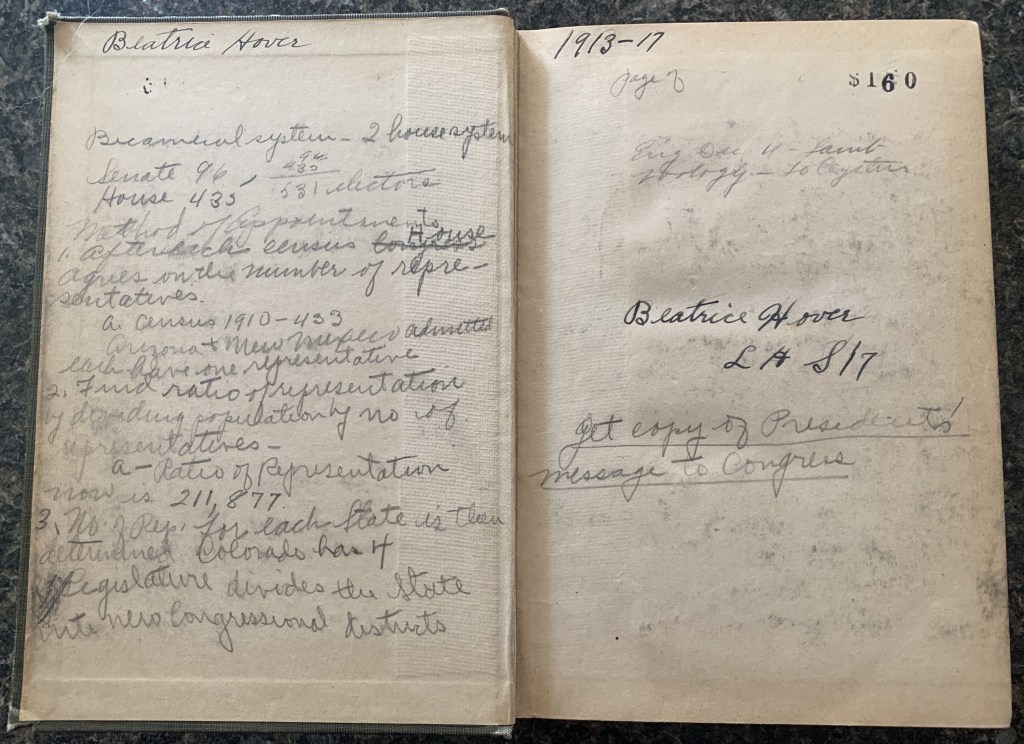
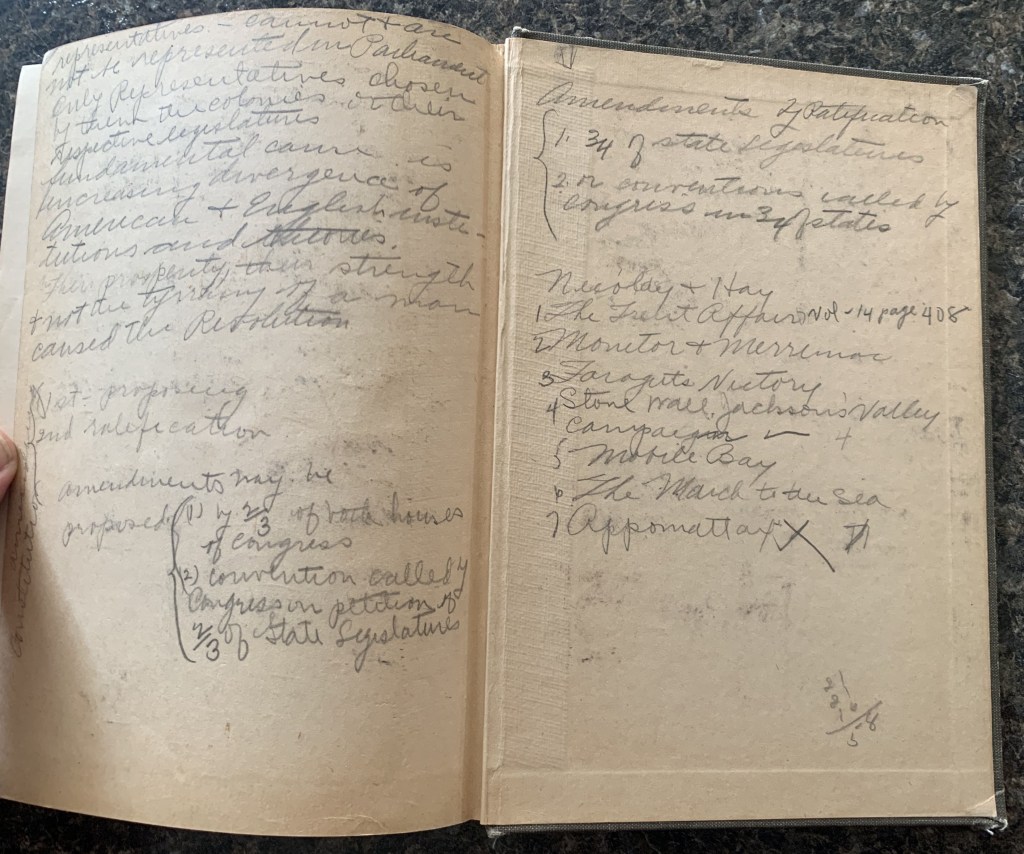
It is so interesting to read old books. This one is from 1902, which is more than a decade before World War I, and a decade before the loss of the Titanic. Yet, there is still a lot that is correct in it which can still be learned from. I have to wonder exactly when all of these notes were taken, I think it would have to be soon after the book was originally purchased, so more than a hundred years ago.
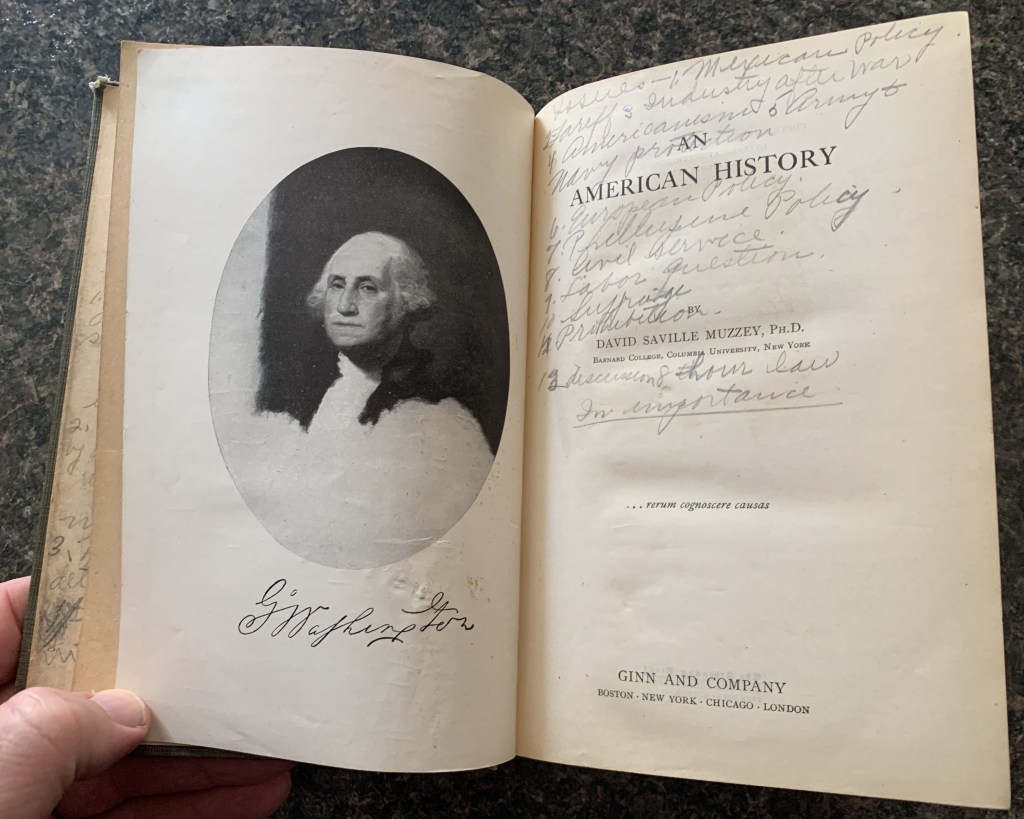
A FEW DAYS LATER: I found the American History version of this book at a yard sale for two bucks! It was published ten years after the Western Europe one! What are the odds? I think these history books were for students and many were made. But still, a neat, and timely find!
I passed on this last week (ARC thrift store half-off Saturday) because every single page had writing on it, which is a shame because this is a $35 book from two years ago. Dad bought it today as it was now half-off ($4 > $2), but I can’t stand it when people write in books like this.
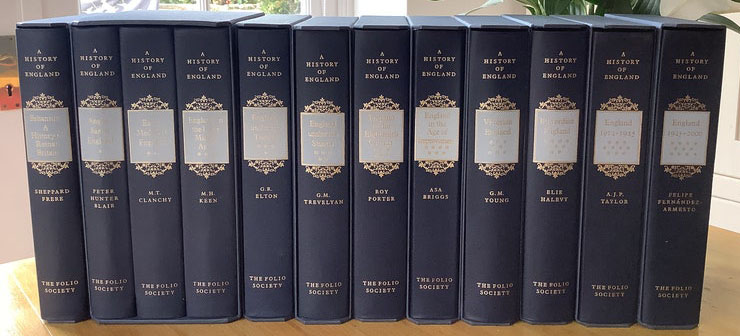
I bought this set for $200 about ten years ago, but mine isn’t quite as pristine as these. This is the only set on the internet I can find, back when I was shopping for my set, there were around twenty options. Now, there is just this one. They were only published for libraries, so they weren’t available to anybody until a library was done with their set, if they ever had them in the first place. The photo of mine here, has the World War II set as well, purchased for about the same price. I didn’t see the World War II set online at all when I looked this week. Just the World War I set. for $710. I consider these two sets part of the core of my library, if I ever had to pare down my library to the core essentials, these two sets (among some others) would be staying, without question. They are great reads, too. They’d better be!
A book on Grant, and on Lee, in the same day! Amazingly enough, between my dad and myself, we only had… zero books on Grant. Now, we’re up to three. This is really odd considering how many Civil War books we have. This book on Lee is a deluxe reprint, amazing nobody else picked it up, and I got it for just under two bucks.
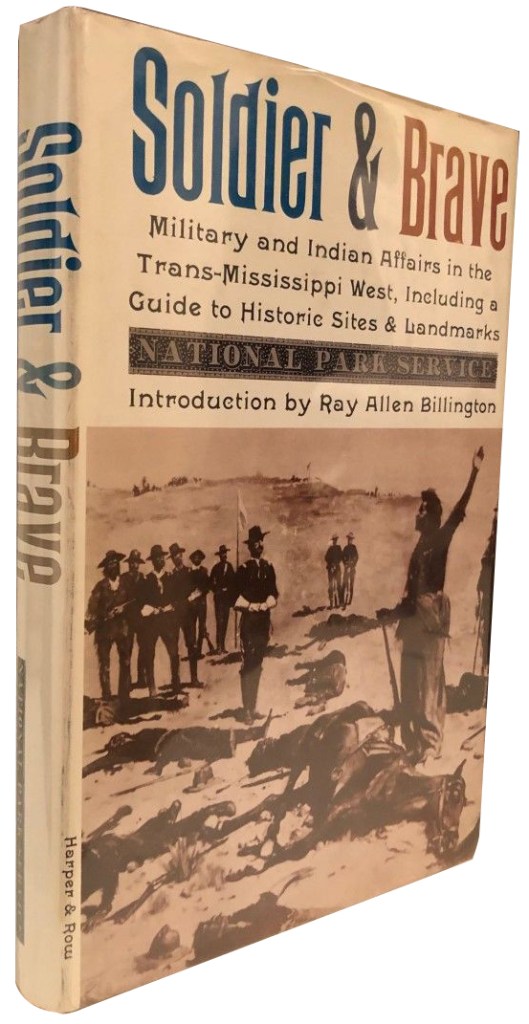
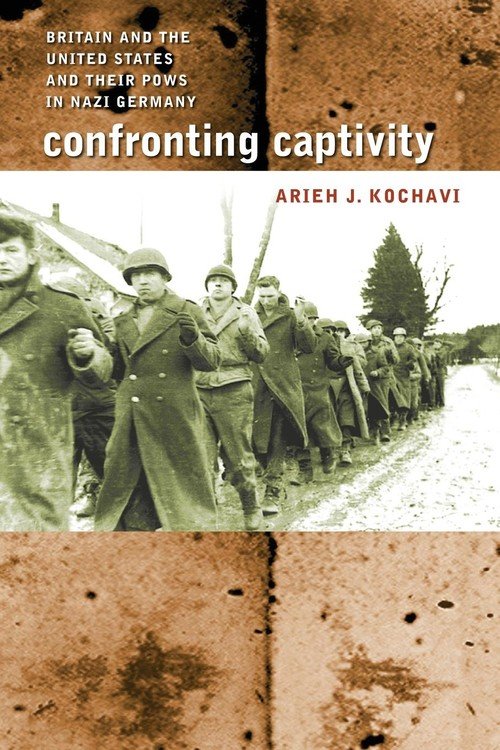
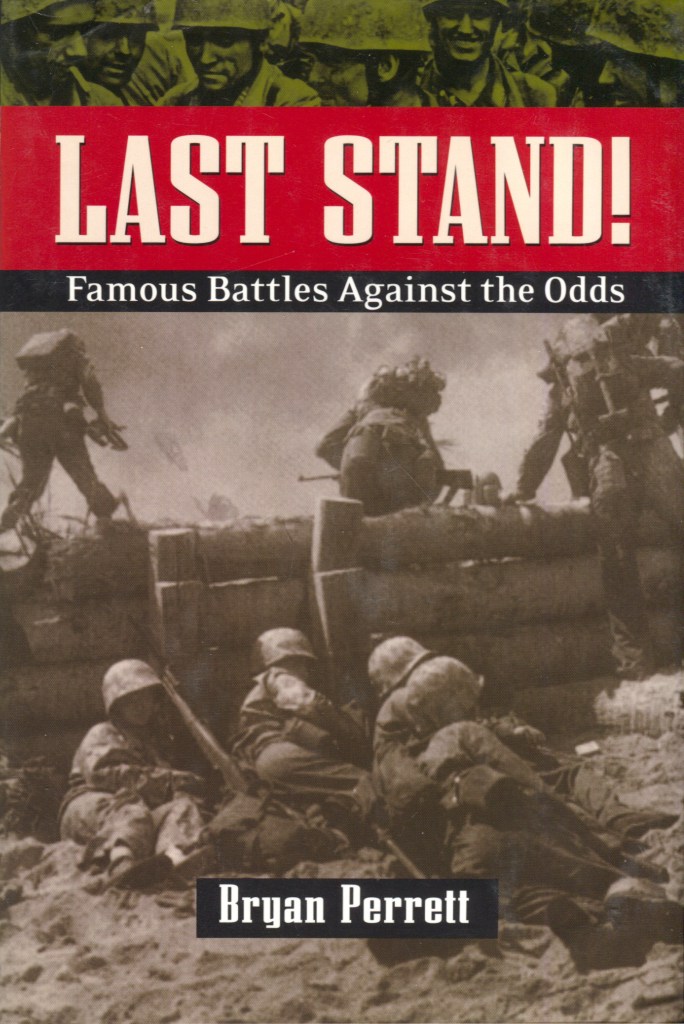
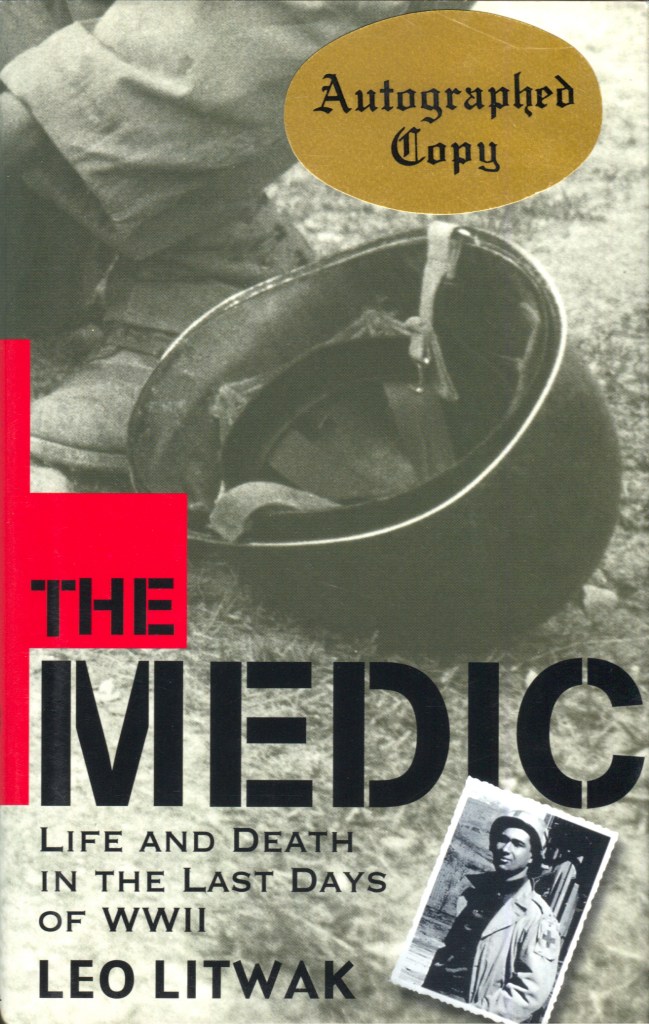
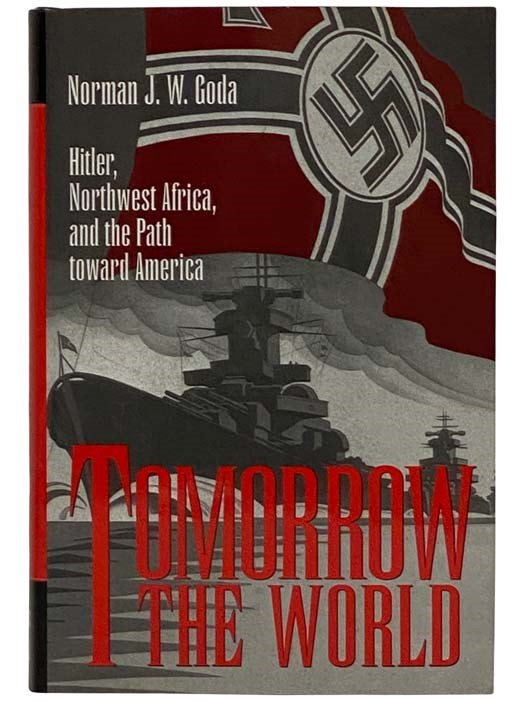
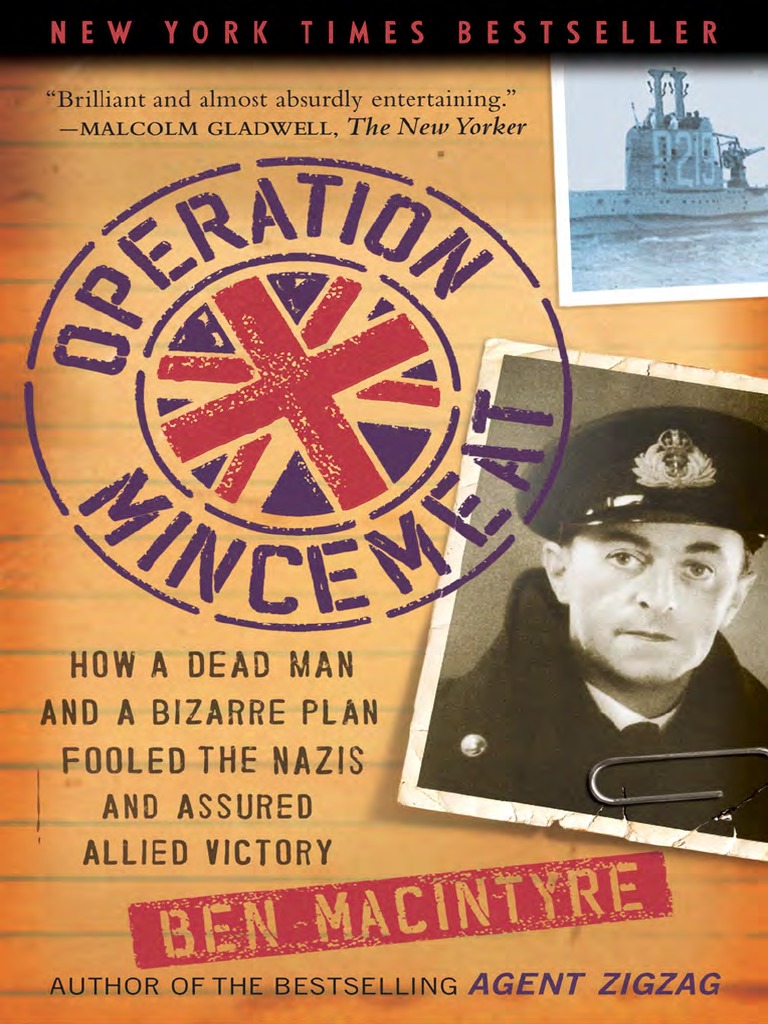
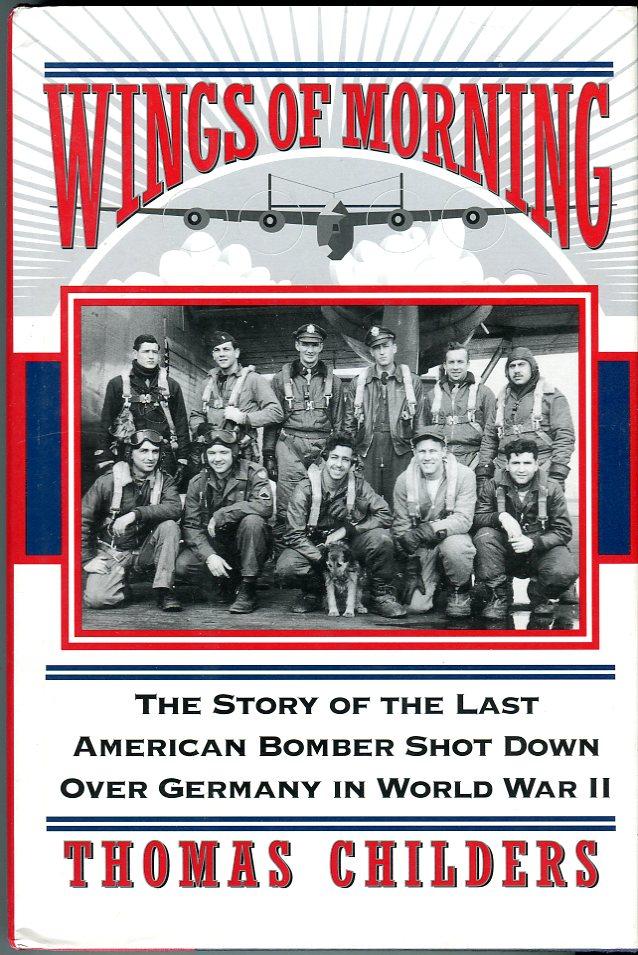
Never in Finer Company is only a few years old, and on the Great War. I never find books like this at thrifts. The Last of the Doughboys was probably from the same person, and I bought it since it was a hardback, I have already been reading the paperback copy that I have.
Fighting Vehicles is another one of those books I don’t understand why I haven’t seen before.
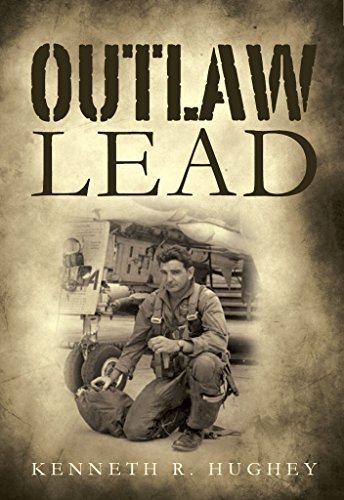
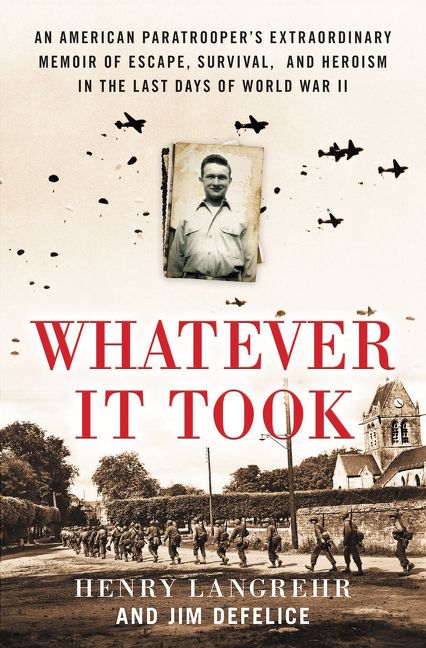
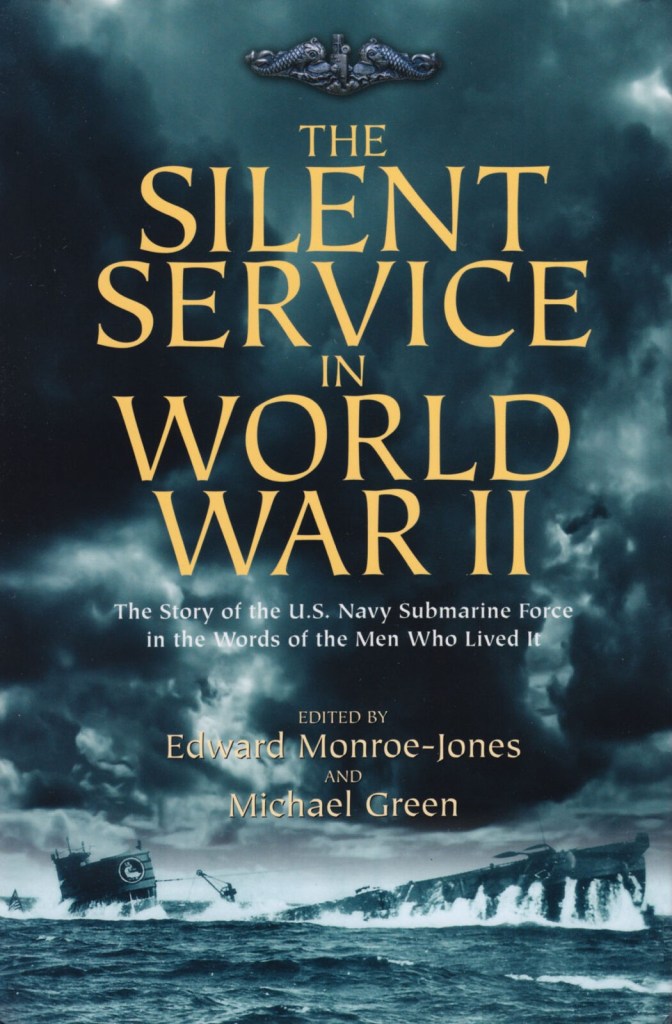
I bought these last week, they are actually eight books condensed into three, at about a thousand pages each. They are conversations and first-hand accounts of the Second World War, and the guy who put these together is a history teacher, who self-published them. I saved a lot of money by getting these omnibus volumes as opposed to the regular books. There is a ninth volume I don’t have, but I’m going to wait for that one to be combined with the forthcoming tenth and maybe eleventh book.
I have a difficult time understanding how people who aren’t interested in this kind of thing, can’t just give them a read, putting themselves in the positions of the people telling their stories, especially as all of this is real and not fiction. It is interesting no matter who the reader is, if the reader comes at it from an apathetic view, as in putting one’s self in their place.
Even more so, there is a lot of interesting and valuable things to learn by listening to what they have to say. We’re so distracted with trivial things that we miss the value and importance of knowing about things like this.