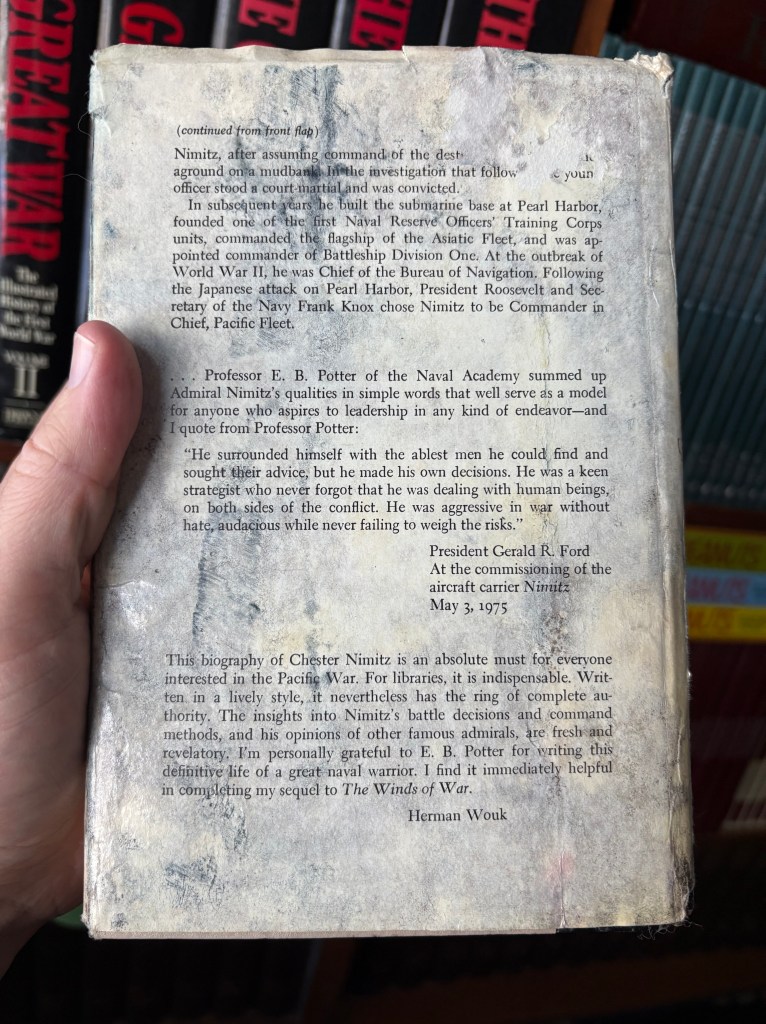
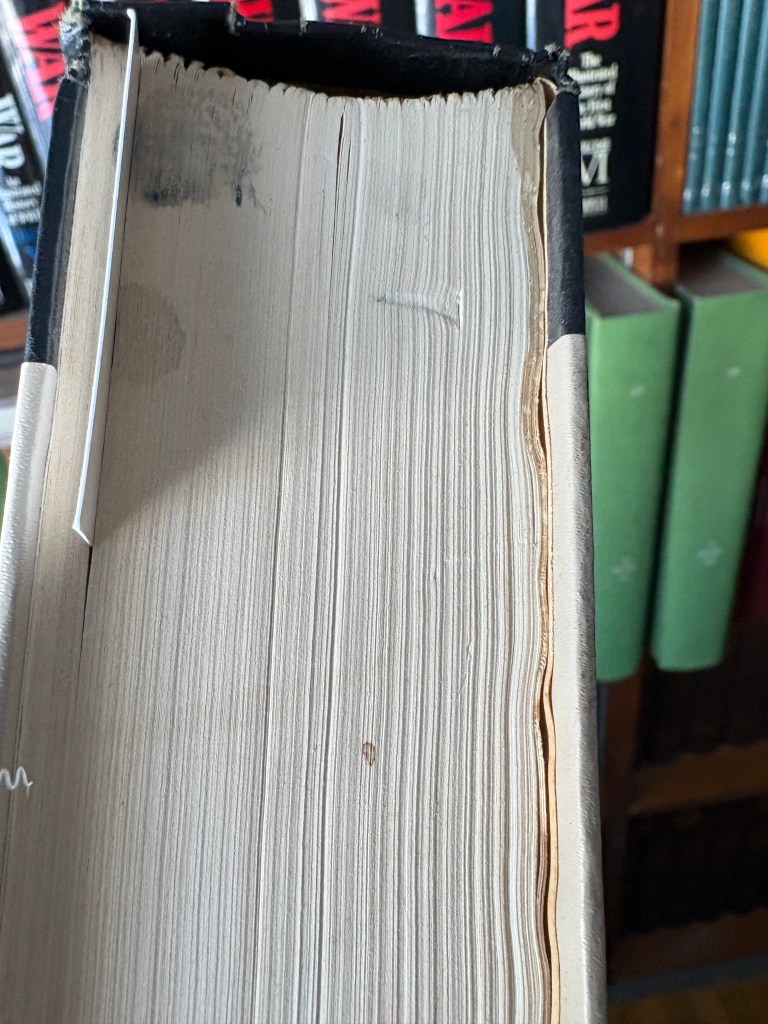
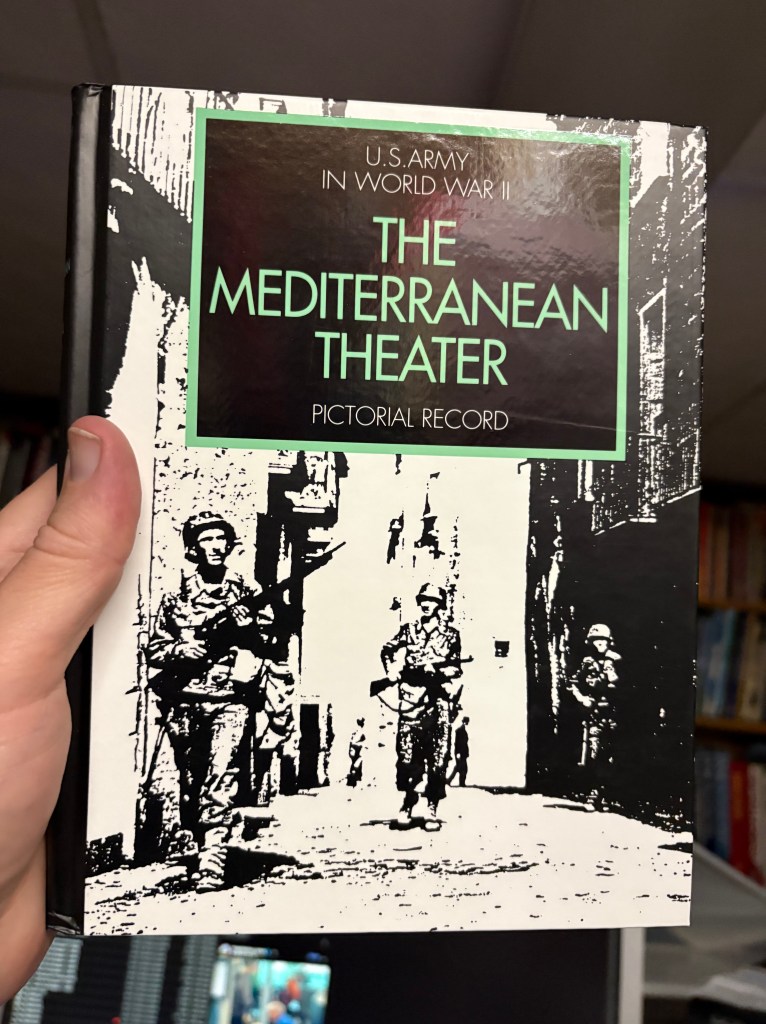
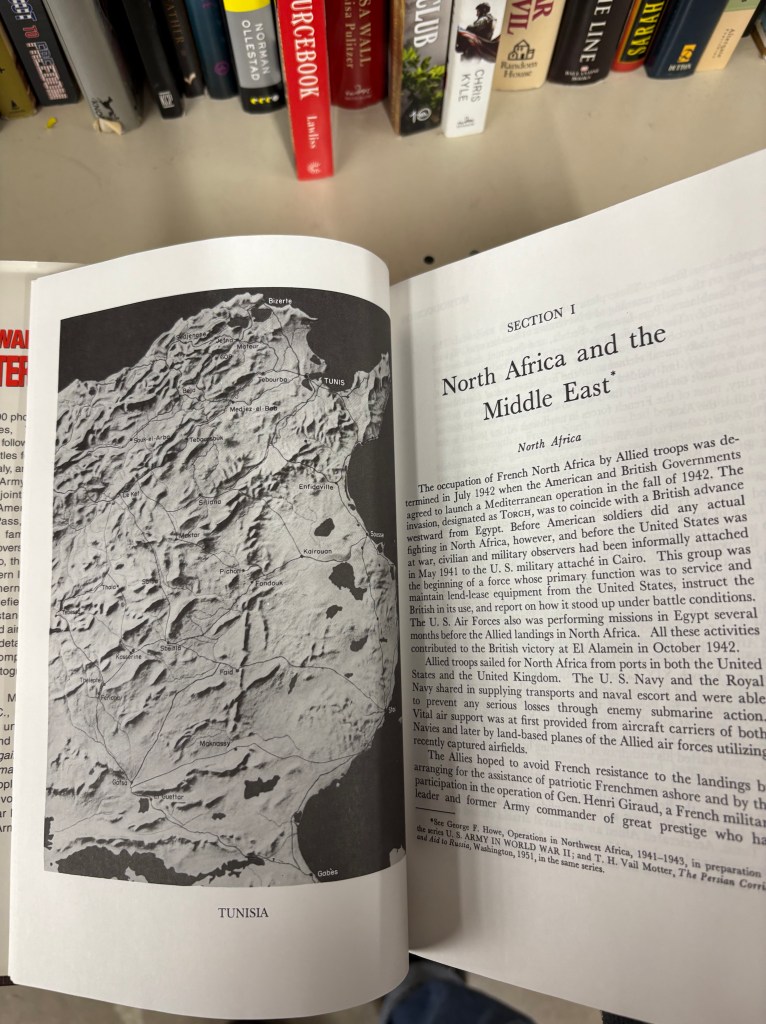
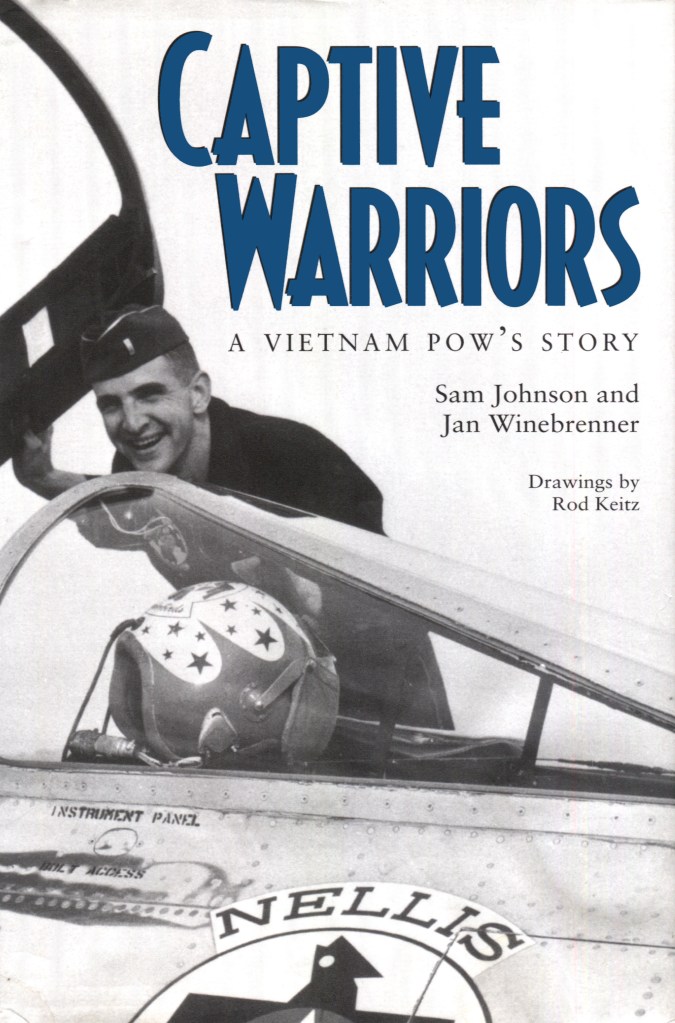
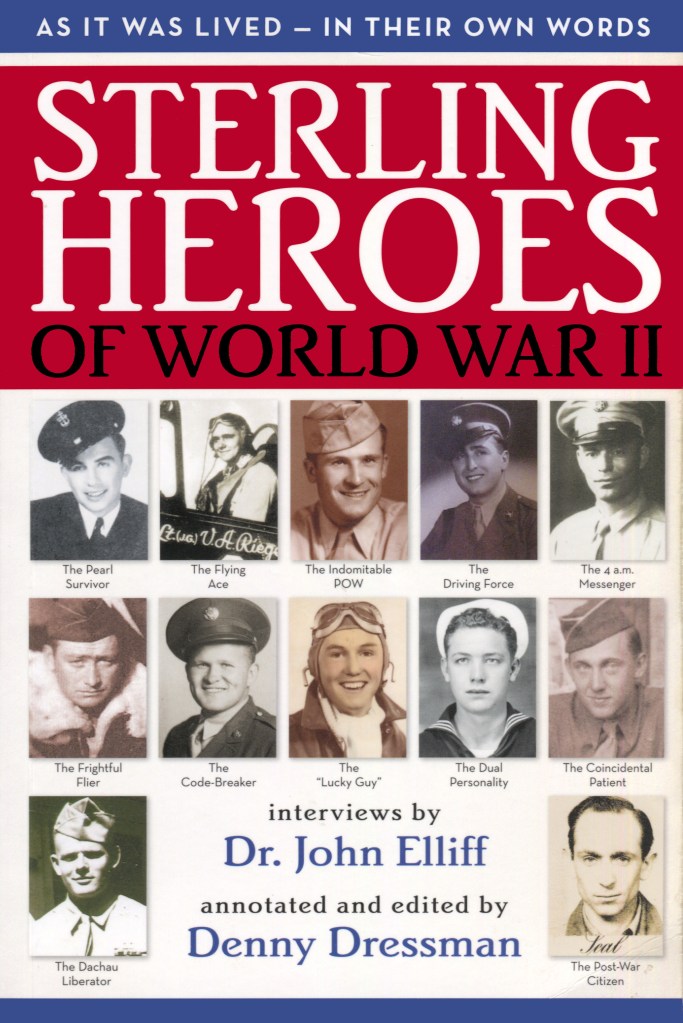
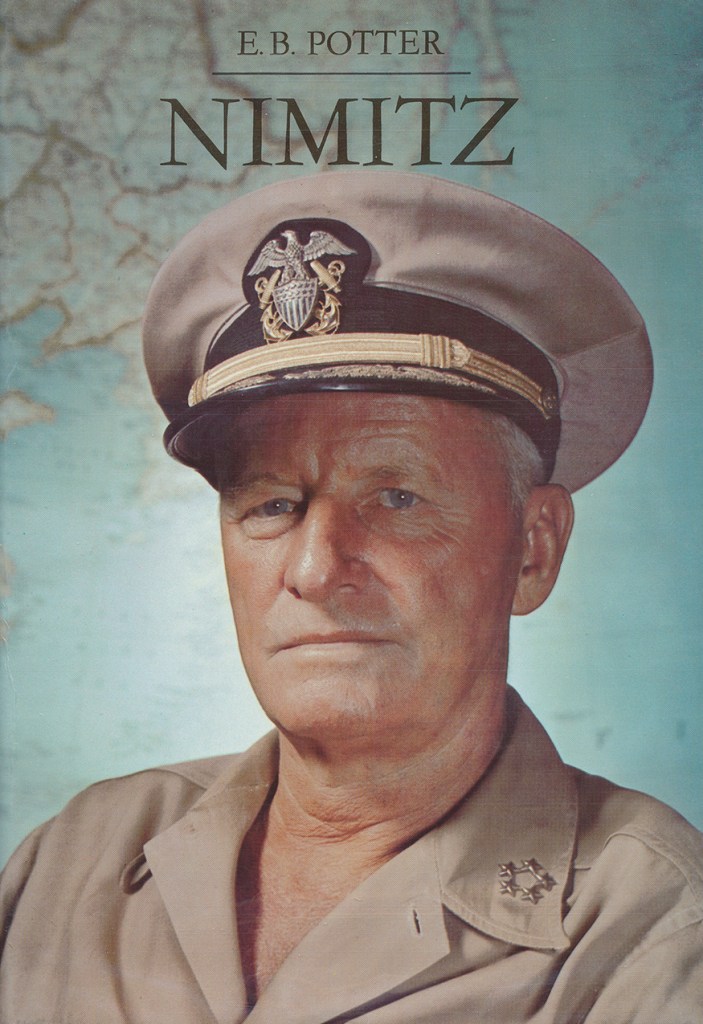
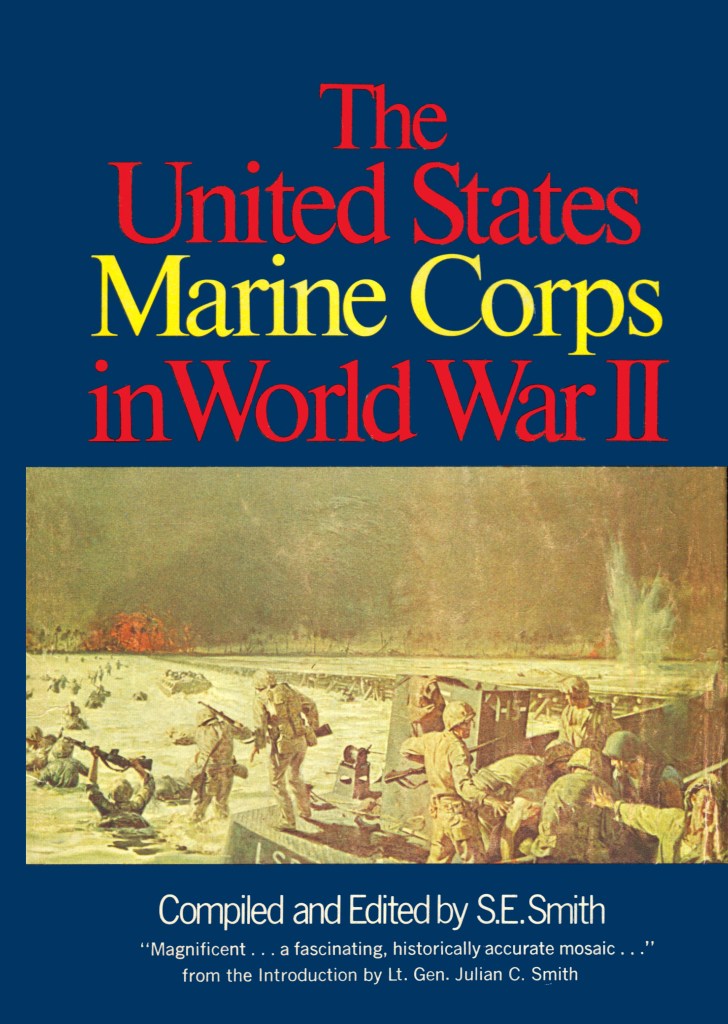
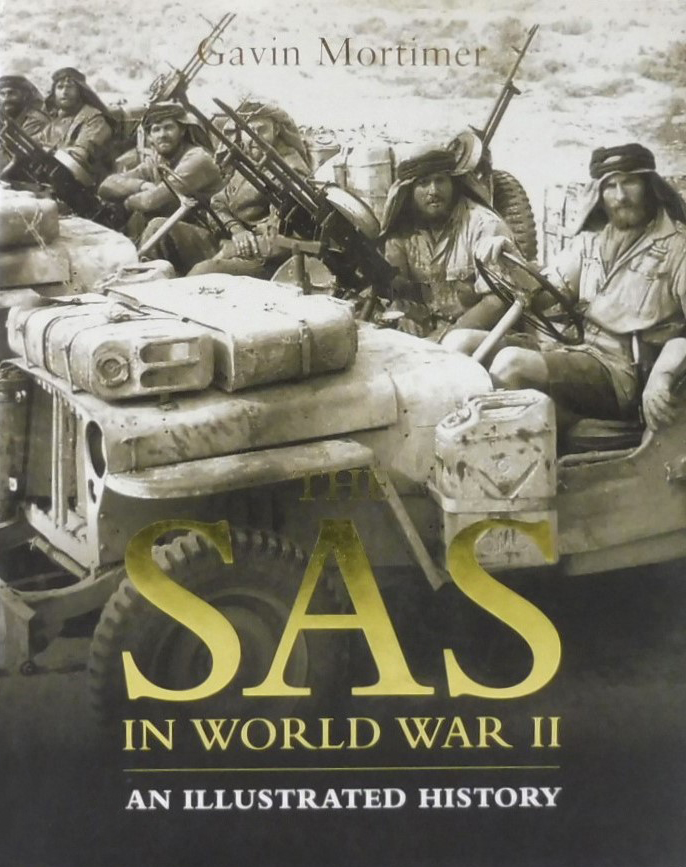
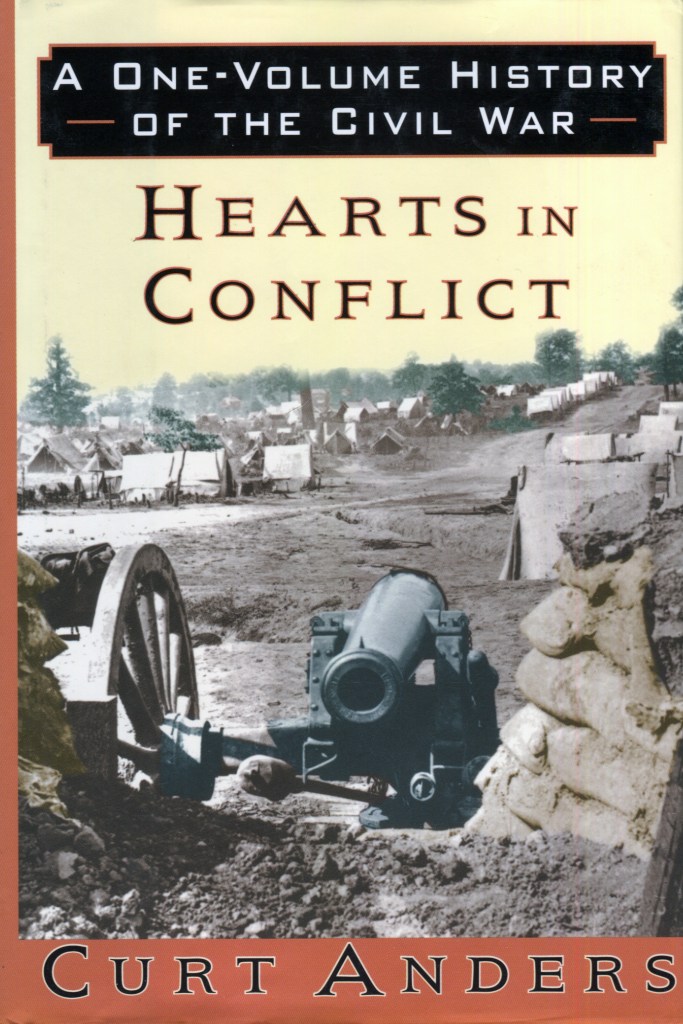
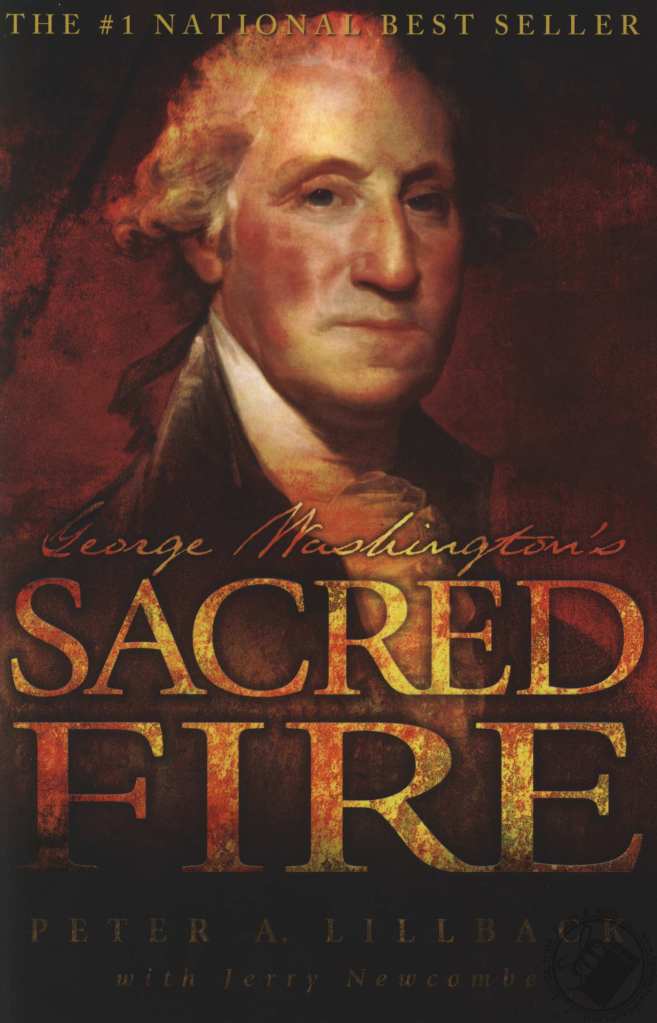
I found these in a book I bought today, what a neat surprise!


I found these in a book I bought today, what a neat surprise!


This is some amazing restoration of film that is a hundred and ten years old. It better puts into perspective how these were real people, all of which had no idea how horrible the war was going to be. The original black-and-white footage, which was usually shown at too fast a rate of speed, lost the impact that these were actual human beings and not just some old, beat-up footage of random, long-since dead people.
This kind of footage also helps to make real in my mind the reality of what was going on, the little human interactions in the film cements to me that these are actual people. It would have been wonderful if motion cameras had been around for the Civil or Crimean wars, or even farther back to the Napoleonic or Revoutionary wars, because the paintings and drawings of those times gives them a more cartoonish and unrealistic feel as opposed to footage like this.
Saving Private Ryan had the same effect on me, except it had authentic sounds and battle recreation, all of which gave the black-and-white World War II footage that I saw after the film far more of an impact as my brain automatically filled in the lack of color and sound with a new understanding of what was actually happening in front of those black-and-white cameras.
It is a tragedy that people are more interested in overrated celebrities and bad cinema than they are about truly fascinating things like this.

It seems these days, that most people don’t have the concept of a library; they just see someone who has “too many books”. I have been asked on more than one occasion: “You’re never going to be able to read that many books!” While it would be nice to have the ability to read all of my books, (I actually know a guy who can do this, but alas, I am a slow reader) one of the many benefits of having an actual library is the ability to wander and select something I hadn’t thought about in a long time. I’m a custodian of this custom library, full of volumes that people have put an immense amount of work into creating. It definitely isn’t just a “collection” of books.
A few weeks ago, I found two small, old volumes at the thrift store, and they were part of a set of five. Upon checking “The Registry”, also known as my spreadsheet, it turned out that I had the compilation of all five, a complete and singular volume in my library already. I had a tough time finding it though, because all of my World War I books are supposed to be in the same place, but I had to search and discover this was mistakenly among my older World War II books. But, it couldn’t hide, as The Registry doesn’t lie, it had to be here somewhere!
World War I was known as “The Great War”, or as in the case of this book, which was published in the same year as the war ended, 1918, “The World War”. There was no “World War II” yet, so nobody knew to call it “World War I”.
I found a piece of newspaper from what has to be a newspaper more than a hundred years old, and an invitation card from 1919, both used as bookmarks.
It is really neat to read books like this, written so soon after the war, and totally ignorant of the even worse war to come in just twenty years time from the publication of this one. There is a great amount of bias by the author, who was eventually a Brigadier General in the U.S. Army, but a lot of that comes from the perspective of the author and is very interesting to read. Francis A. March was active in that second war, so he saw a lot of violent history in his time.


Every time I re-watch my DVD version of Band of Brothers, I look up how much it is on Amazon… too much. Worth it, but if I buy it, I’ll find a the Blu-ray copy at the thrift for next-to-nothing. Well, I finally saw it today, and took it home! (After paying for it, of course!)
I saw the two DVD versions that have been there for three weeks now (how?) and when I first saw this one, I thought that there were now three copies… nope! The DVD version isn’t bad, but a bit grainy sometimes when they are in the dark. I’m likely to re-watch this soon, now that I finally have it on Blu-ray! I do have to find a home for my DVD version now, however.
This is the best thing that has ever hit the small screen, hands-down. It should be required viewing for the historical benefits, much less the entertaining aspect of it.


I’ve been watching the annual Russian Victory Day parades for five years or so now, beginning-to-end. As someone who is actively interested in military history, it is fascinating to contemplate the logistics of putting such a precise performance with so many moving parts, with so many things that could go wrong. And they do it every year. And being a former marching band member (A-West High School), their 1,100-person marching band performance at the end is very impressive to witness.
Also, when I see photos or old newsreel of parades from as far back as World War I, these Russian parades are a frame of reference as to what it was like, similar to how Saving Private Ryan brought out some of the realism of grainy black and white World War II footage and photos in my mind’s eye.
There was criticism of the idea of the U.S. having a military parade, and all of it seems to be from people who didn’t think through how we’ve done this before, the last time was in 1991 after the first Gulf War. We do it a bit differently than Russia or North Korea, but it isn’t unusual. I did expect something more similar to the Russian parade, but some of their motivations for a parade are different, and they do it every year, so they have all of the repetitive logistics worked out over time, as where ours was a one-off for a 250th anniversary. A big difference I noticed is that the Russians are very precise with their marching in their parades, whereas our guys were very casual, many of them were more walking than marching. I would encourage anybody reading this to watch some of the Russian parades, they are quite different. Those have an additional purpose to show off their power to their “friends”, aka, “don’t mess with us, here is a sample of what we have and how precise we are”. Putin had all of his allies at the last parade, (And Fat Steven Segal, too!) and that was part of why they were there… to be warned that Russia is still strong and not to be messed with.
Our parade was more of a basic, narrated history lesson about the U.S. Army, with marching examples of the different uniforms from the major conflicts, and some examples of vehicles and equipment. The scale of the units involved were far smaller than the Russians’ parade, and the marching was VERY casual, and the parade street width was far narrower. A totally different kind of parade, but still a good one for such a big anniversary.
I did like how we had twice as many Abrams tanks as the Russians had T-90s this year, that couldn’t have been by accident. If I read this right, they got away with having 70-ton tanks on city streets by putting a different kind of track on them, but I’m not sure if that was all they did. I think the T-90s are about 50-tons or so, if not less.
In the days running up to the parade, there were also some neat boot-camp challenges, and opportunities for people to post near, on, or in Abrams tanks, Strykers, Bradleys, and choppers, as well as with various hand-held weapons. I would really have liked to have done that! (I did get to pose on a S-7 Priest 105mm Howitzer Motor Carriage self-propelled gun back in 1980, though, that was cool.)
Unfortunately, the Spanish-American war and the War of 1812 weren’t represented in the parade due to difficulties in getting the right uniforms. Something that doesn’t happen when you do this every year like the Russians do.
A lot of people are going to politicize this and try to paste-and-cut the idea that any military parade is exactly like parades put on by regimes throughout the world, but I would go ahead and disagree with that. The U.S. Army is celebrating its 250th anniversary, and armies do parade as part of being… well, armies. We did it at the end of all of our wars, and to some extent in parades across the country every year. We have a military as every other country does, and it is okay to have some parades every once in a while. The Army deserve a big celebration for everything they’ve done for this country over 250 years, and I would argue this parade should have been bigger than it was because of all the sacrifice that has been done on our behalf over the existence of our country.
It is also nice that although the Russians have a far bigger and more precise parade, and do it every year, we get to show off how our equipment is far better than theirs. That’s a smaller point of parades like this. There’s no way a little T-90 would hold up against a big Abrams, and we rolled out twice as many for our little parade than they had for their annual parade. And Abrams tanks look cooler, too. And don’t pop their tops with ammunition cook-offs.
Anyway. When reading history, especially military history, it is a good thing to recognize all the different facets of it: empathy for what it must be like in military life, and to be in battle. The logistics, the strategy, how things are made, how they work, the politics, foreign policy, the actual history and effects of outcomes, alternate possibilities, and of course, the human side of it, including the horrors of war for soldiers and citizens alike. And there are many lessons to be learned from history.
I know that a lot of people are going to knee-jerk react due to their politics, but I hope that this can be put aside for a day in order to recognize how fortunate we are to have had a military such as the U.S. Army, for the past 250 years. Plus, Abrams tanks are really cool!
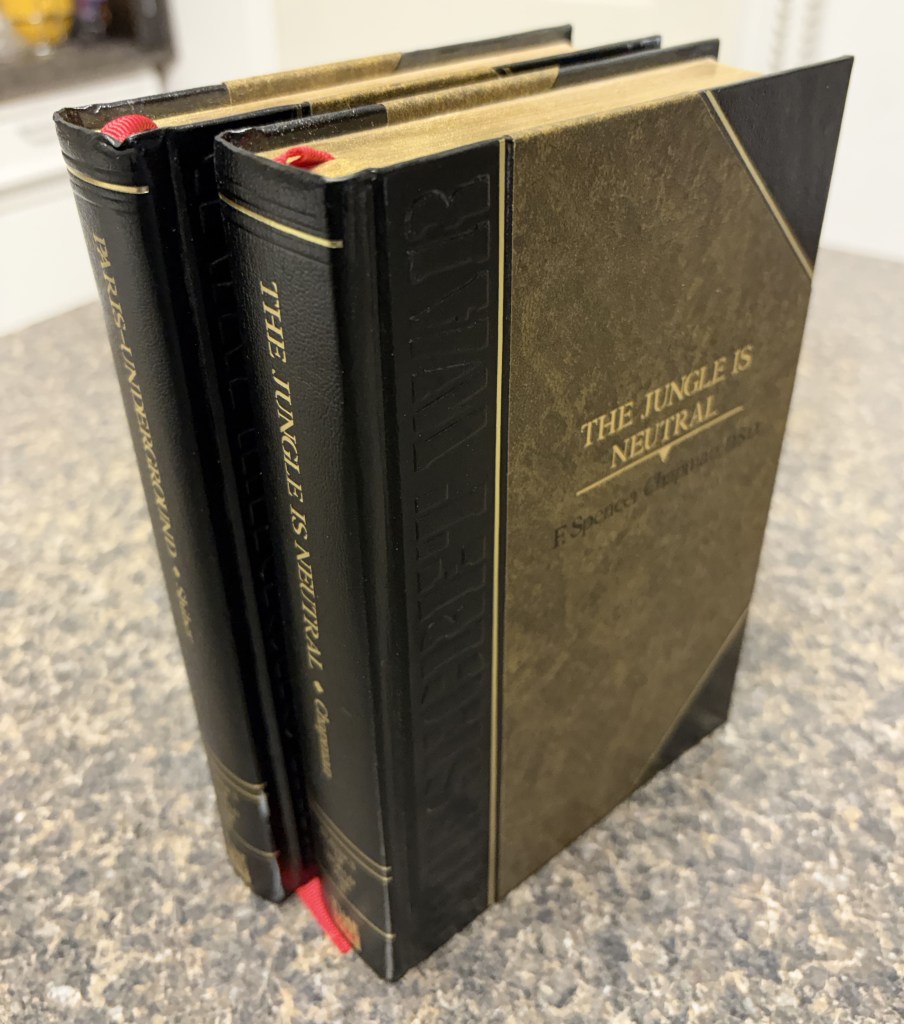
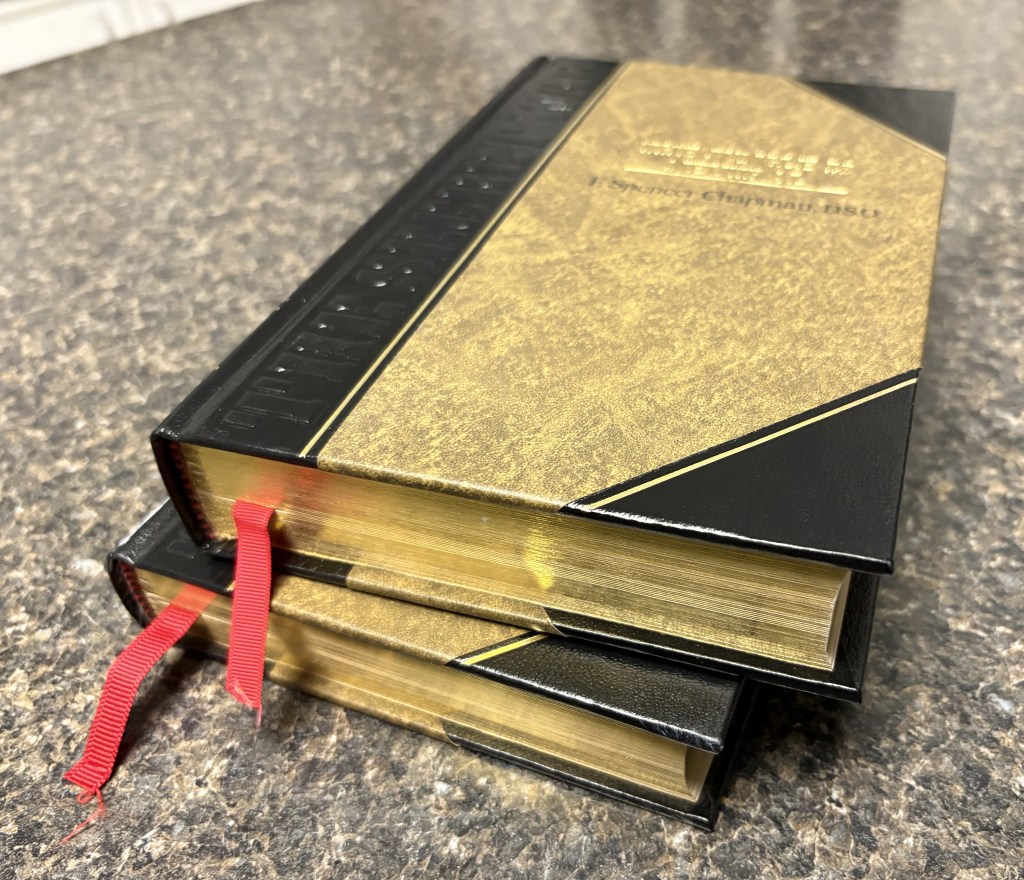
Upon revisiting a thrift we had been to already today (looking for something Dad missed), they had put out this leather-bound version of a book I already have… there are only two of these on eBay, the cheapest listed at twice what I paid, and the other one was at five times what I paid, and this was in perfect shape! Considering I’ve been very much into these kind of deluxe volumes lately, this was an A+ find!


The leather-bound Easton Press and Barnes & Noble Collectors Editions section of my library.
I like beat-up books, old books, new books, books with deckle edges, and books with straight edges.
But leather-bound books, with sewn-in pages containing high-quality paper and ink and gilded edges… they feel great to hold while reading. I’m twenty pages away from finishing the first of four books by historian Ian Kershaw on Adolf Hitler, which is considered to be one of the best biographies ever written, while also being a very informative and entertaining read.
I found a set on Vladimir Lenin today, but it was in a different language… so, no. Makes sense as I think I would have been aware of a Lenin set like this?


One of the best sets in my library, Ian Kershaws’ biography of Adolf Hitler, reprint by Easton Press. I also have the regular hardbacks and the abridgement all-in-one volume.