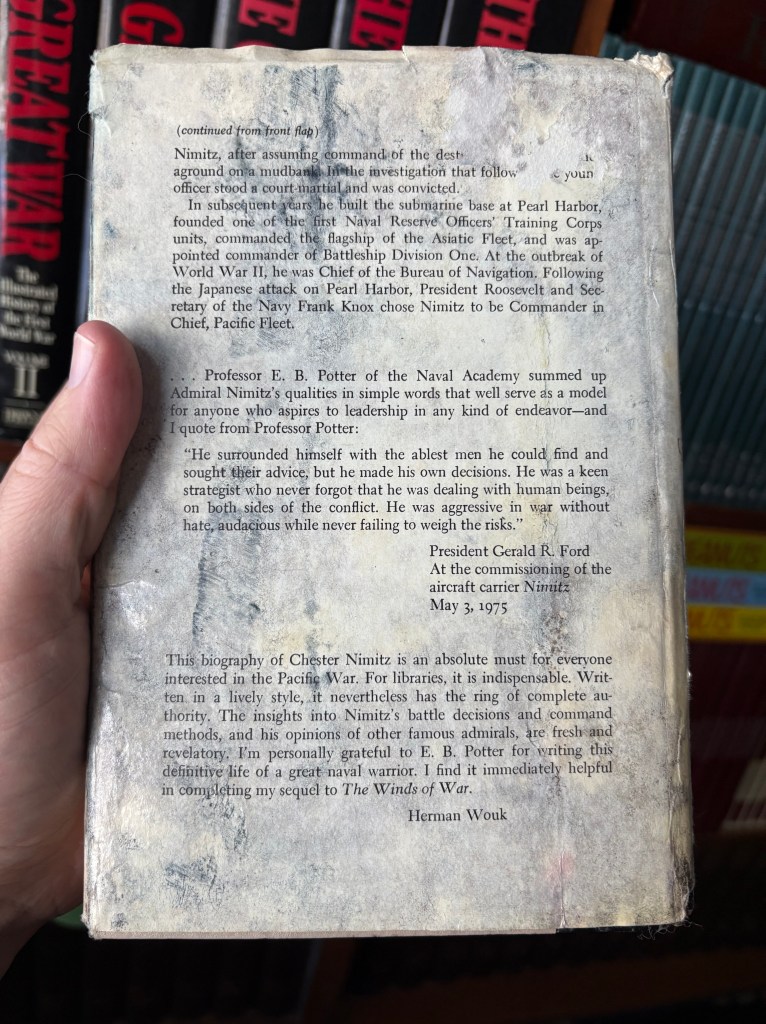
I like all kinds of books, new ones, old ones, deluxe leather-bound, guilded-paged editions, beat-up paperbacks, clean-cut pages or deckle-edged pages. I have a soft spot for beat-up books even though they are inanimate objects.
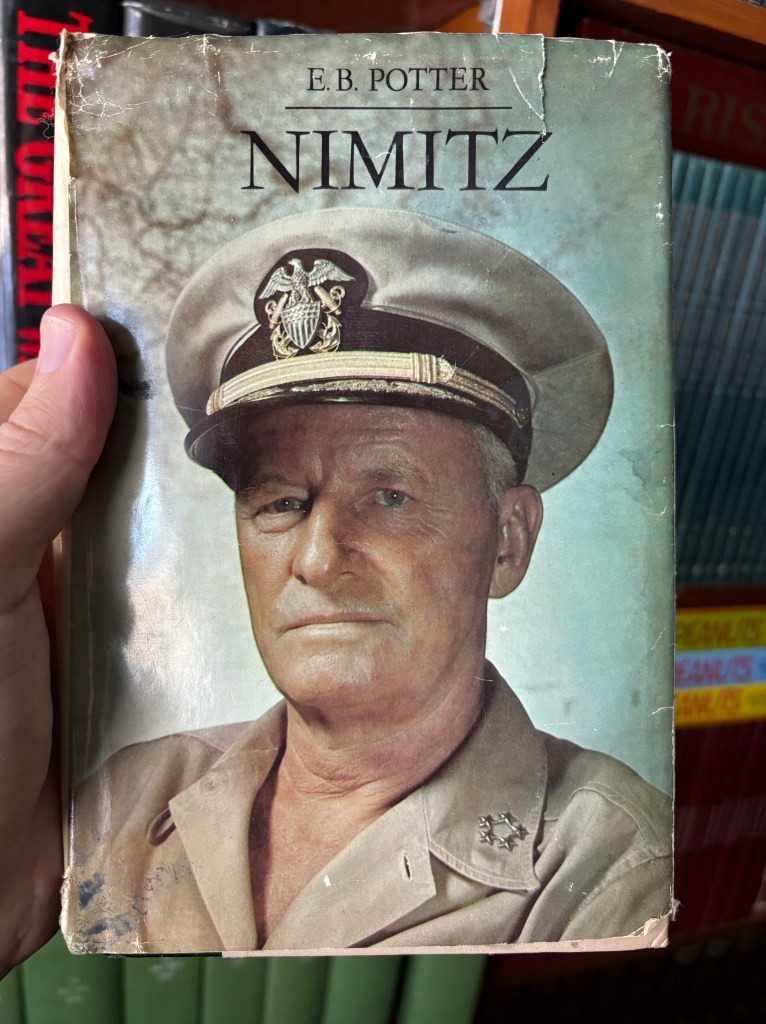
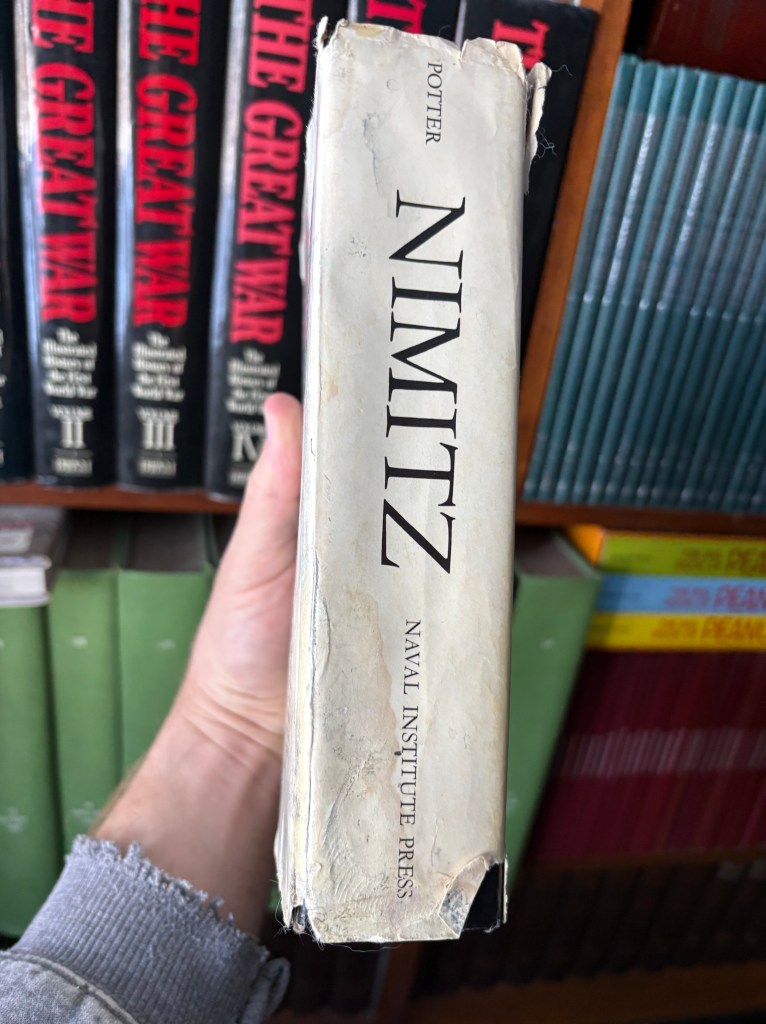
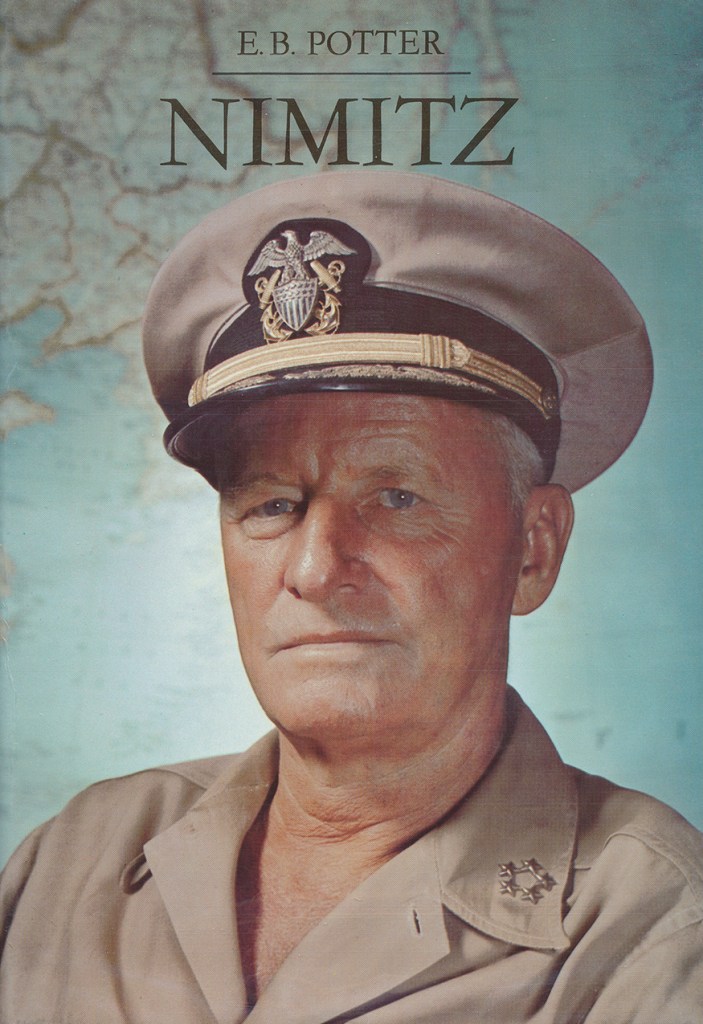
In this case, there are grease or oil stains on the cover and pages and, putting on my detective hat, this probably means that some mechanic was reading this at some point. Because the book was published in the 1970s, I would guess that maybe someone who was actually in the war fixing things, who would be interested in Nimitz enough to read about him. Most people couldn’t care less about Nimitz regardless as to whether they should. Apparently he was important enough to name the current class of aircraft carriers after, so, maybe he was a big deal.
There were other books at the thrift where I bought this that were also beat-up quite a bit, complete with spider-webs and caked-on dust on top of the books (that happens a lot, where someone passes away and the family had to grab all of the ‘worthless’ books and haul them to the thrift.)
So, that’s my guess. I’ll never know. But I’m reading it now with the idea that a former vet read it before me and did so for a reason.
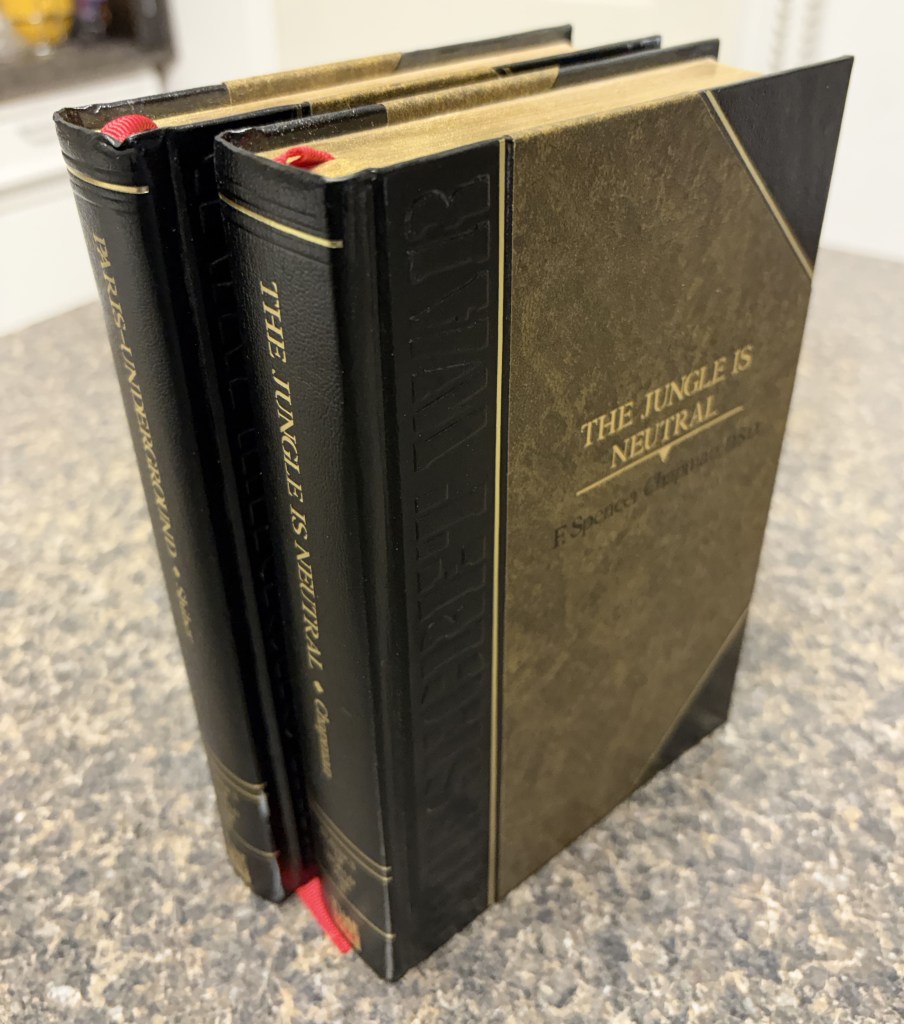
Time/Life Books used to make great sets on all sorts of topics, and their World War II set was a big seller. After it was done, they continued by republishing classic World War II books in deluxe volumes, but I didn’t realize this until this week when I came across two of them. I already have some of the Civil War and Epics of Flight deluxe reprints, but these are the first World War II books I’ve ever seen. They aren’t cheap on eBay so hopefully I’ll stumble across more at the thrifts.
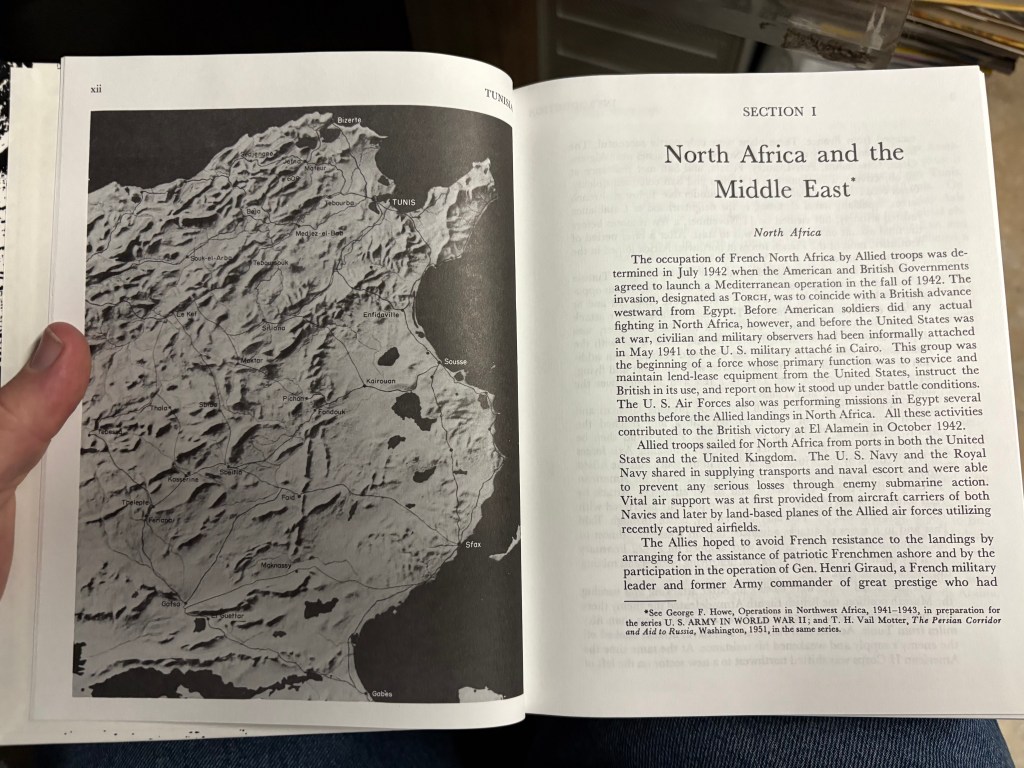
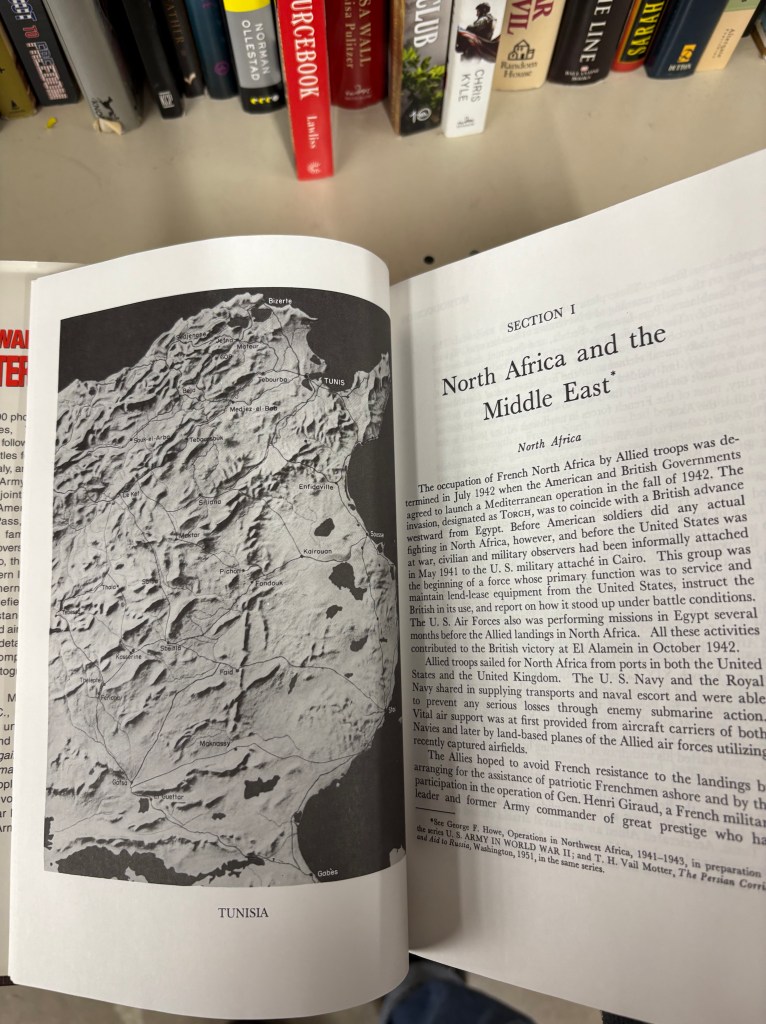
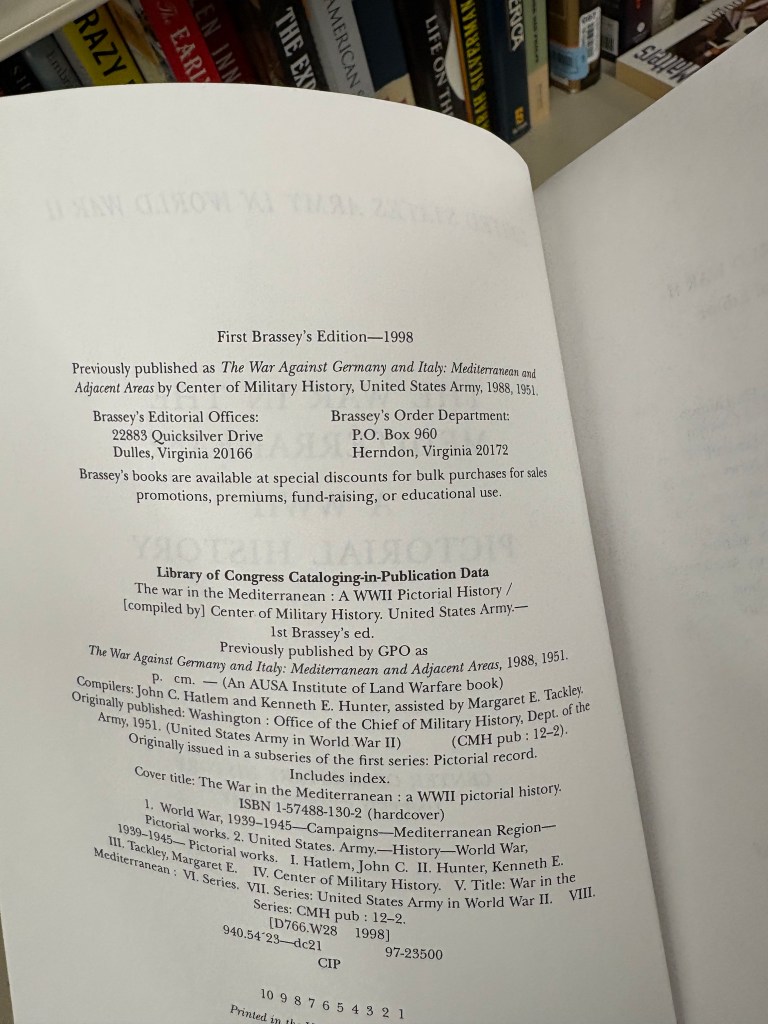
A classic example of why I keep a detailed list of my books: the problem of accidentally buying the same book on accident because it has a different cover and altered title. This time, as it often does, my list worked and I left the imposter at the store, but my version of the book wasn’t what I thought it was, it was actually a different reprint, and part of a series. A series that is very hard to find, especially with volumes added to the set after the original lineup proved popular. But, I digress.
Ideally, one would be familiar with every book in one’s library. Although, the great part of having a large library is being able to wander into things forgotten or unknown, or something that is just there when the interest in a topic comes to pass.
Some of this is about the thrill of the hunt, and here, it is the thrill of already having the hunted item, which is far more cost-efficient!
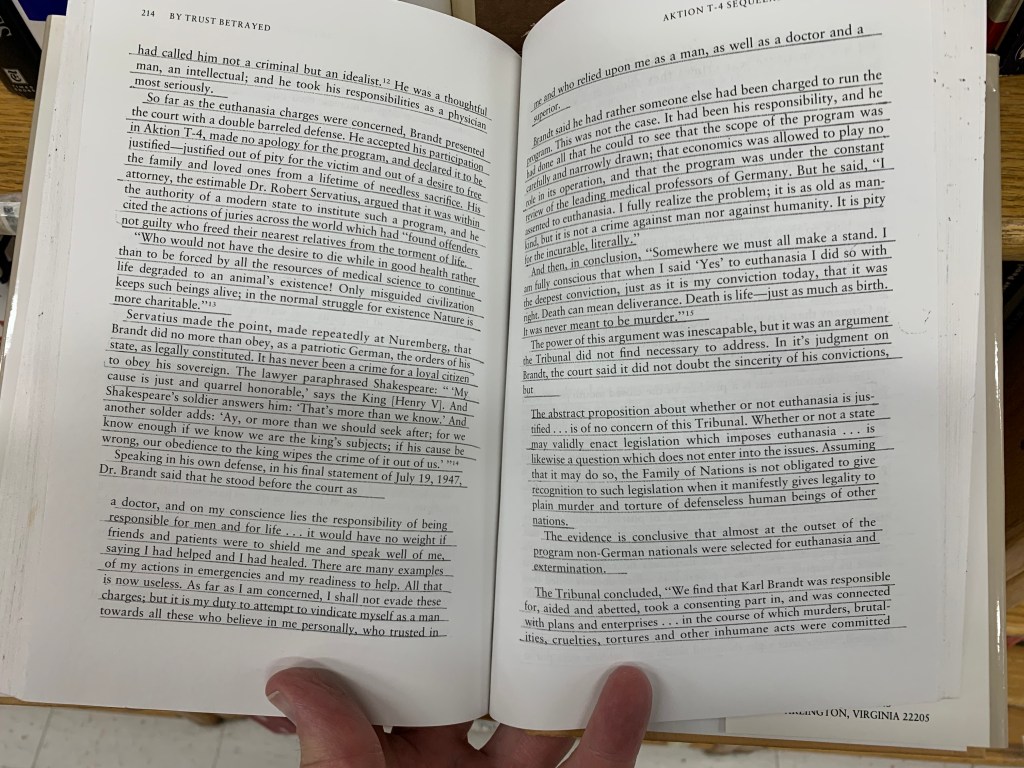
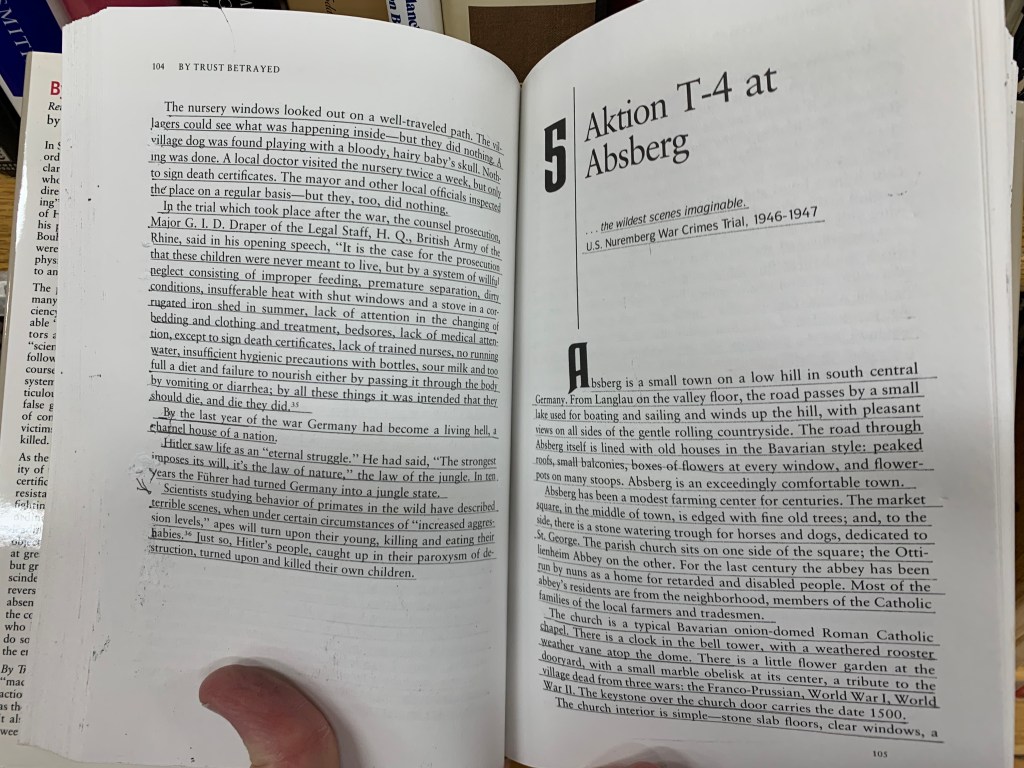
My Dad, when reading books, uses highlighters on passages that he likes and wants to remember. This frustrates me when buying books: I’ll come across a great book, open it up, and someone has crudely underlined paragraphs all over the place. Often, at a thrift store, all of the books are pretty much common or not of a great topic, except one… and when I open that one special volume? Its pages are all marked up with underlining or markers.
Quite frustrating.
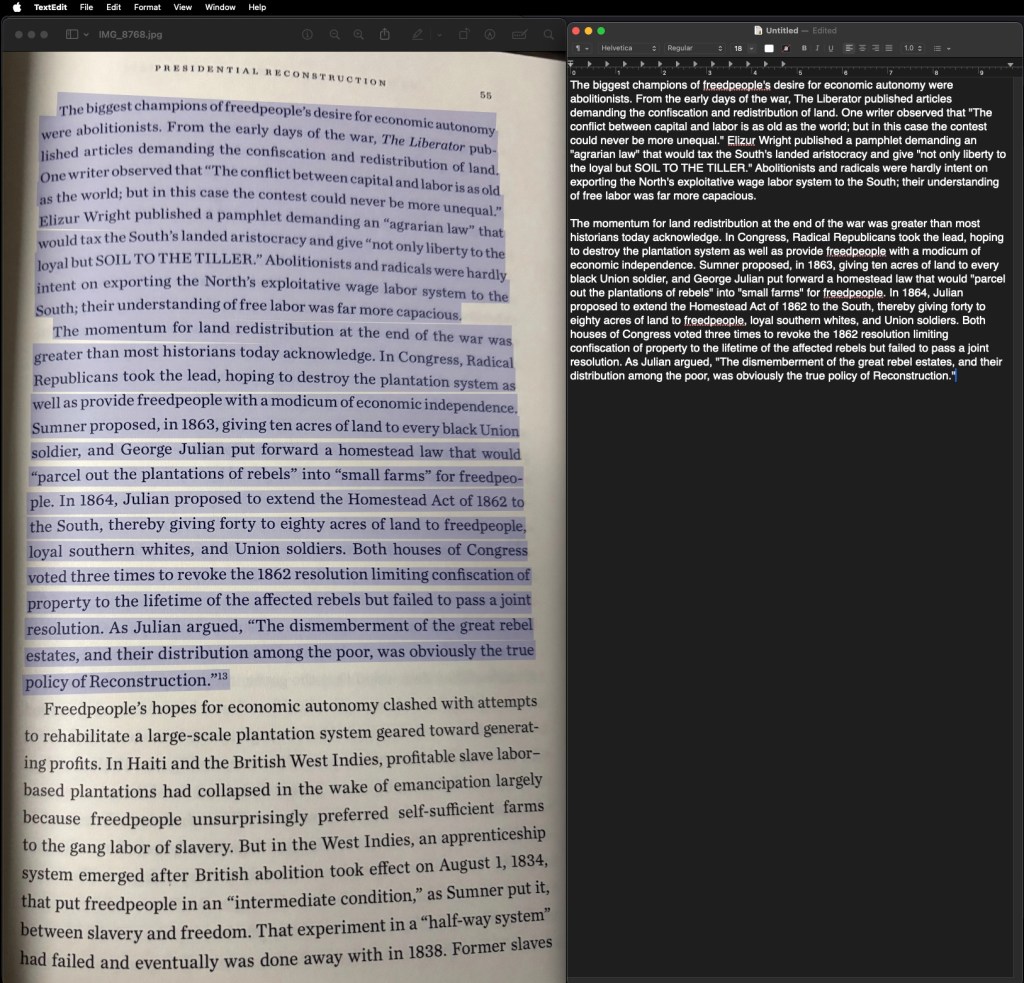
My way of noting special passages is different: I take a photo of the page with my phone, and use Adobe Acrobat’s OCR (Optical Character Recognition) to turn the text into editable text, as if it were typed in and not just part of a photo of a page. Adobe’s OCR isn’t bad, and I appreciate what it does considering I grew up writing everything with pens, pencils, and manual typewriters. Correction ribbons… ugh.
So, this is how I do things. I have a big file with all sorts of interesting excerpts from books that I’ve read.
But today, I found out about a better way to do this. I was taking a photo of some pages with my phone, when I accidentally discovered that the iPhone now automatically OCR’s text without even asking!
Even better, when I’m on my Mac Mini, to use the built-in OCR, all I have to use is the Preview app to open the photograph of the page, go to Tools > Text Selection (or even better, Automatic Selection), and the OCR goes to work! I just click on the page and after a few seconds, the cursor changes and I can select all of the text! The Automatic Selection option stays selected so I don’t have to do that every time.
Apple’s OCR (I can’t speak for any Windows OCR features) in my experience, works better than Adobe’s OCR, where lack of contrast and warped text due to pages not being completely flat, causes a lot of static junk text.
I just wanted to share that because this is one of those many useful features our phones and computers can do, but most of us miss it. If you would have told me back in the day that something like this was going to be possible, I would have had a tough time believing it. We take a lot of things for granted, and this is one of them. Also, being able to take unlimited high-quality videos and photos with a computer-phone that fits in a pocket. Some of us remember having to:
1 – Go to store, buy film.
2 – Load film correctly, pick shots carefully because there are only 24-36 to a roll.
3 – Unload film correctly.
4 – Take film to store.
5 – Return to store to buy prints.
So, two trips to the store, one opportunity to ruin the film. And, one was limited to how many shots were on a roll. Now, it is unlimited, with many options and features, and no trips to the store.
Anyway. There are more important things to be thankful for this Thanksgiving, but this is still something to be appreciated: useful technology that keeps innovating and bringing us more ways to be productive.
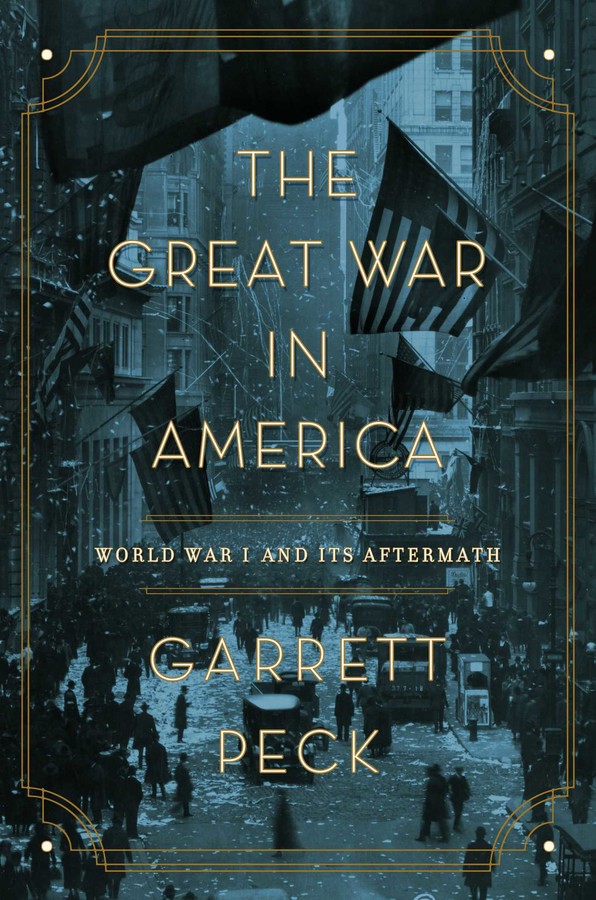
The Great War in America • It is always nice to find a World War I book that I don’t have, especially one that fairly recent.
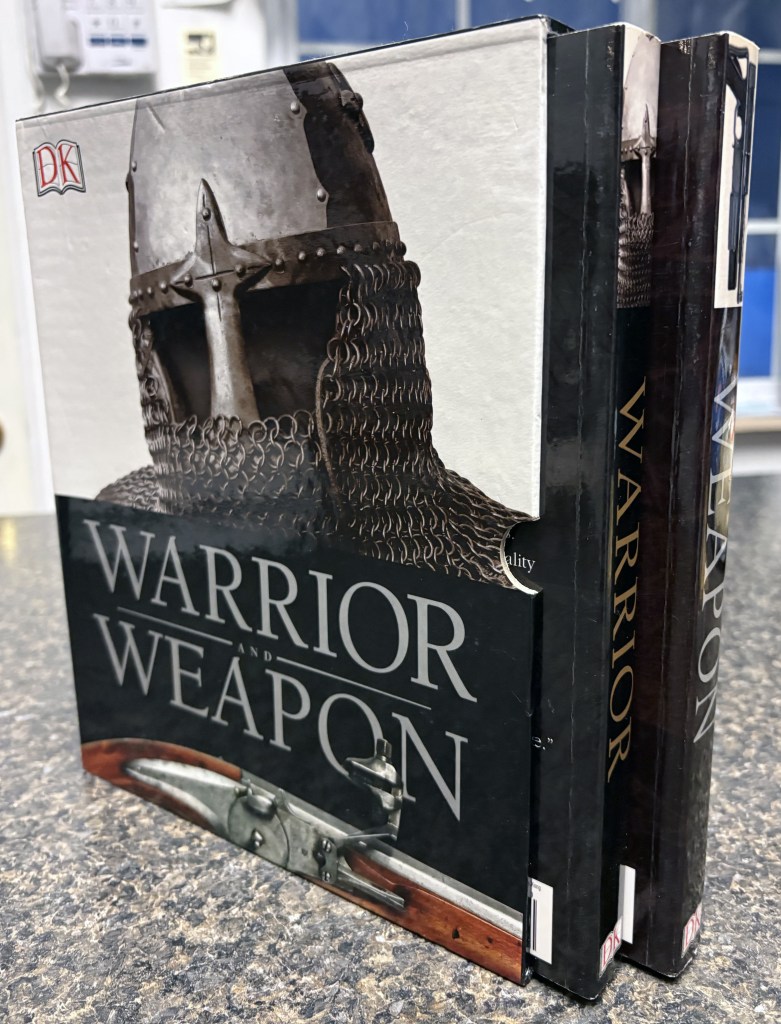
Warrior and Weapon • Two-books-in-one. Interesting how I haven’t run across these before, lots of great photos of war equipment from ancient time until now.
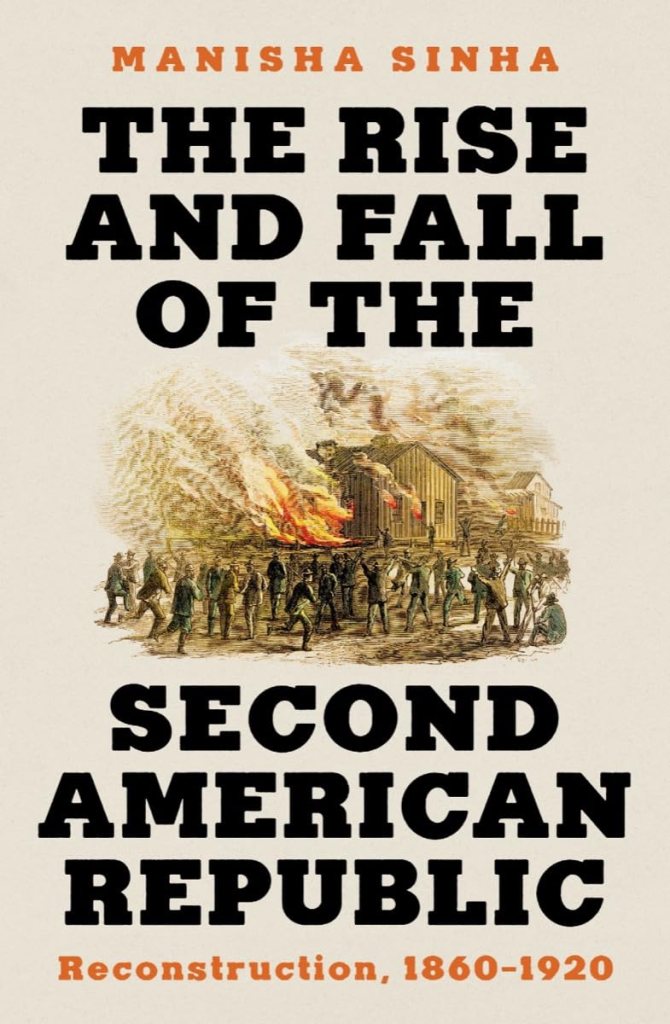
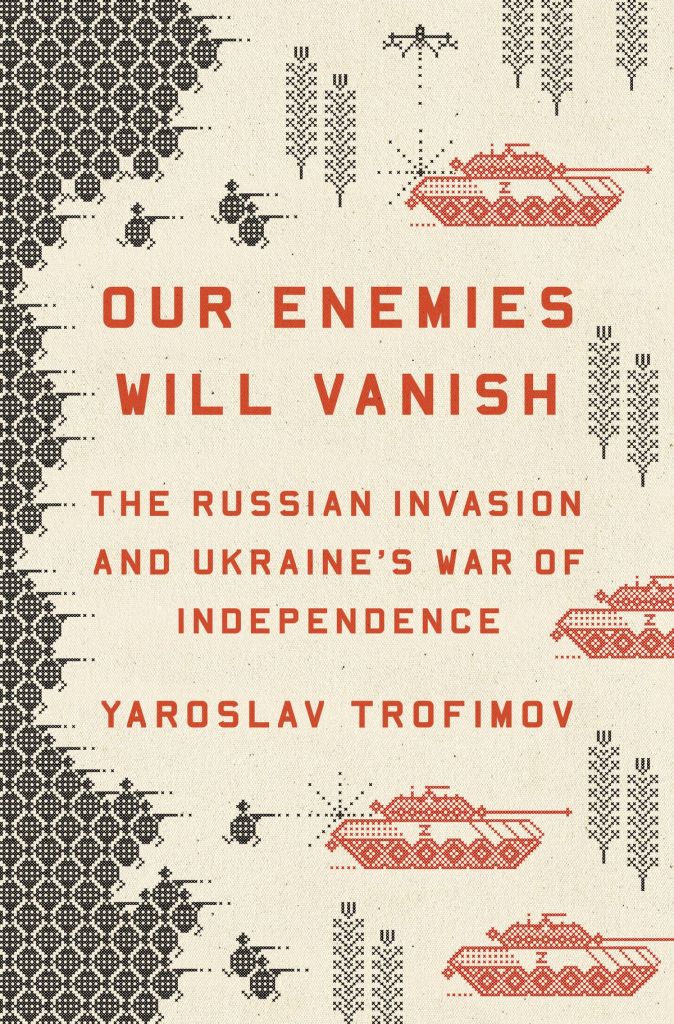
Both Rise and Fall of the Second American Republic: Reconstruction, 1860-1920 and Our Enemies Will Vanish were published in 2024, and in perfect condition. Enemies Will Vanish is my first book on the Russo-Ukraine war, something I’ve been anticipating.
The Bridge at Remagen was something I read about in Stephen Ambroses’ The Victors, so I picked this up although I’ve never been too impressed with older war movies. If I remember from The Victors, a lot of the extras in this movie were actually at the battle. I’m probably just remembering that because it happened in more than one production so soon after the war.
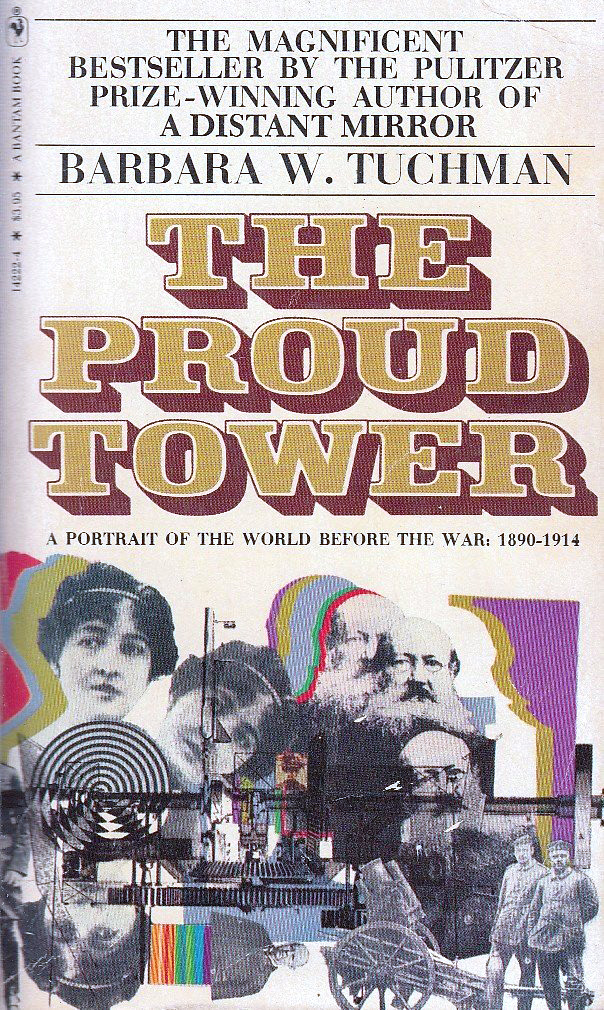
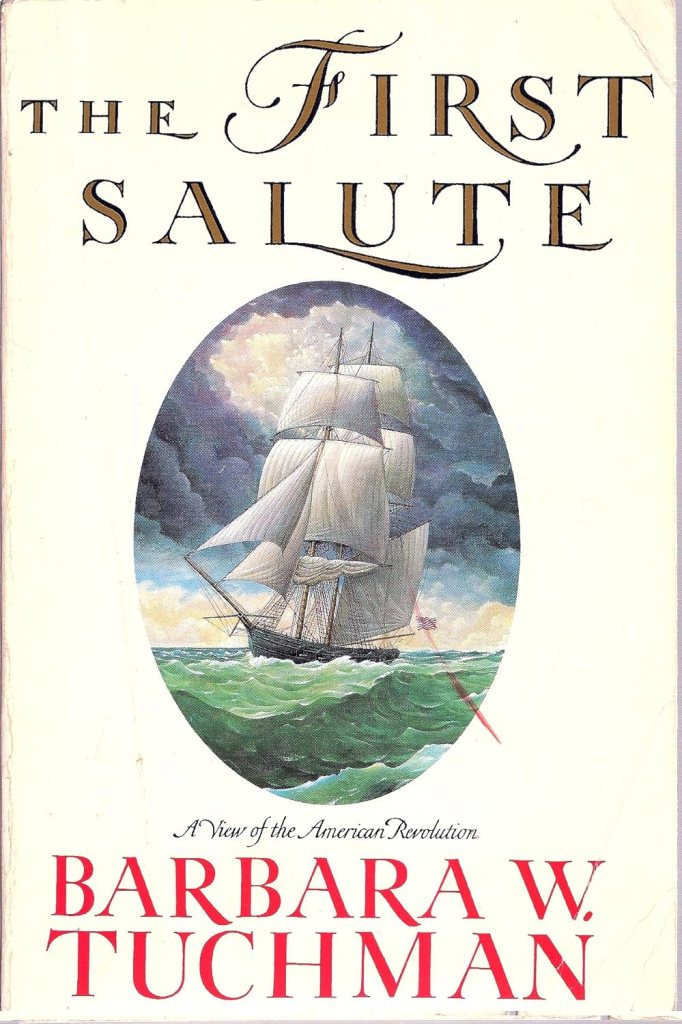
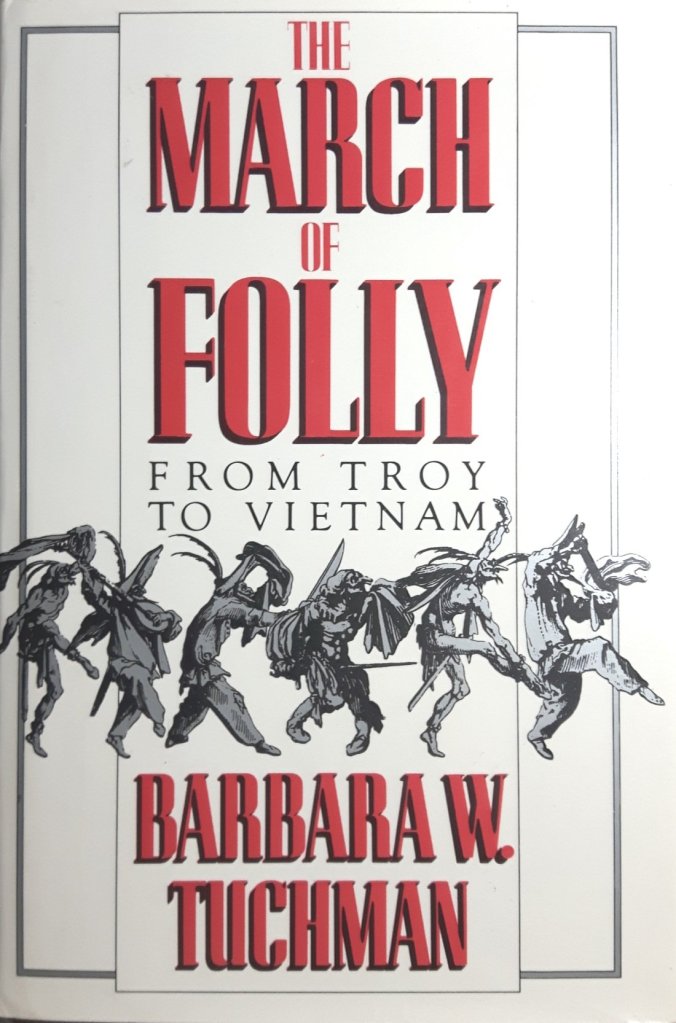
The Proud Tower is one of four recent books by Barbara W. Tuchman I’ve aquired recently, this paperback was at the thrift two weeks ago but at full price ($3.99). It wasn’t there last week, but showed up this week. It is amazing that I’ve never run across this, or the The First Salute / March of Folly before. I used to pass on paperbacks, but they are small and cheap.
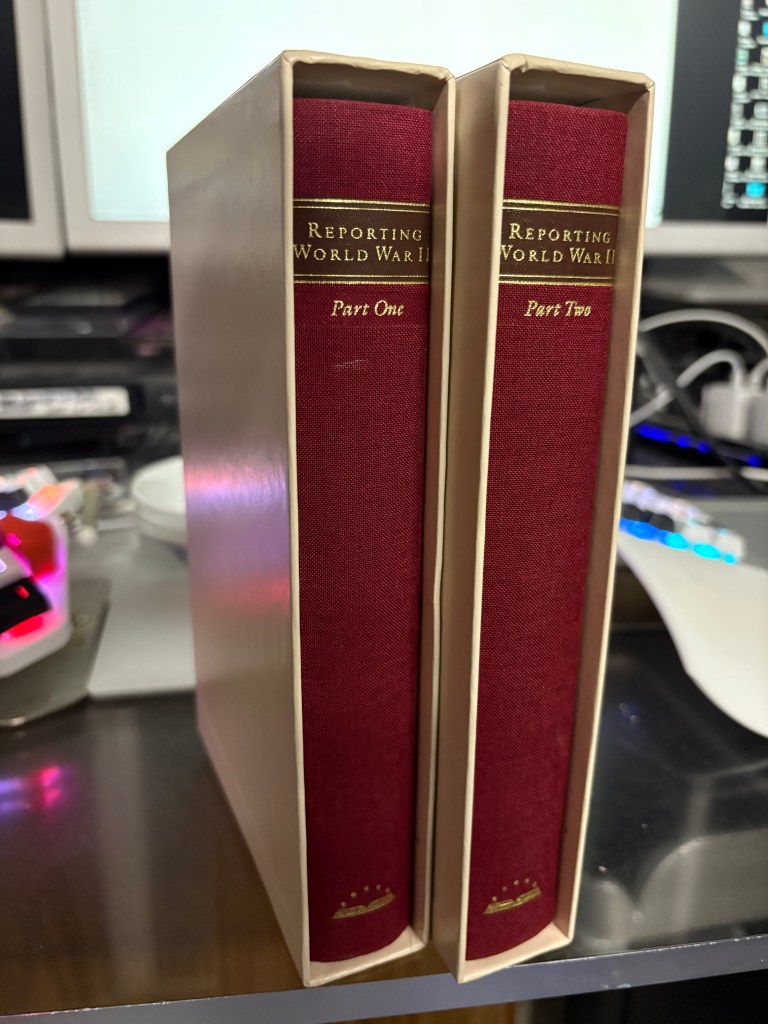
This two book set of Reporting World War II in special editions by The Library of America were a great find, and in perfect shape.
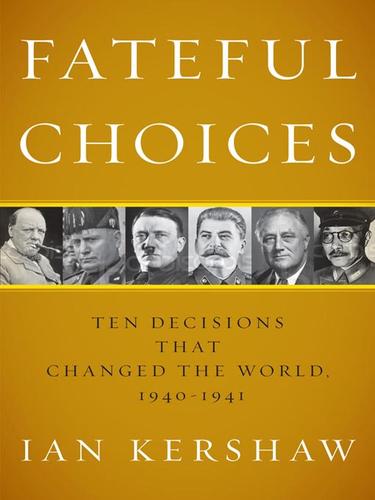
Fateful Choices by Ian Kershaw was a nice find, I’m halfway through his Hitler biography and would like to have all of his books.
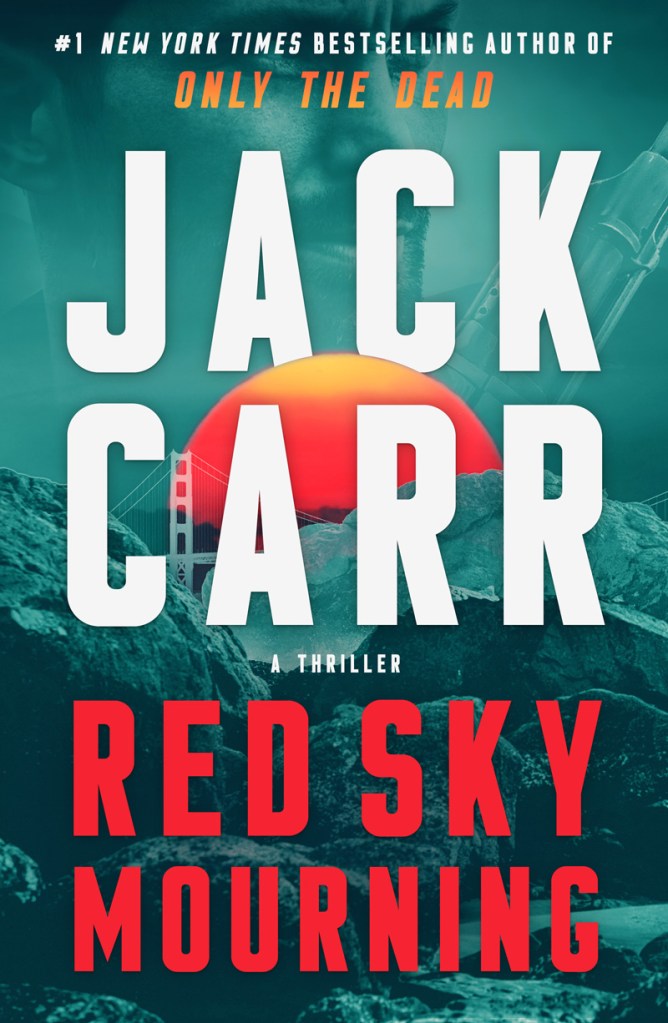
Four of these books published in the past year, and were originally $35 or more new, wheras I procured them for a fraction of that! This also means that I beat the online-resellers that go over each book with their scanners, they would have picked them up before me. Always nice to get a win. I am two books away from having all six Jack Carr books now, so that was also a win. His books aren’t at the thrifts very often.
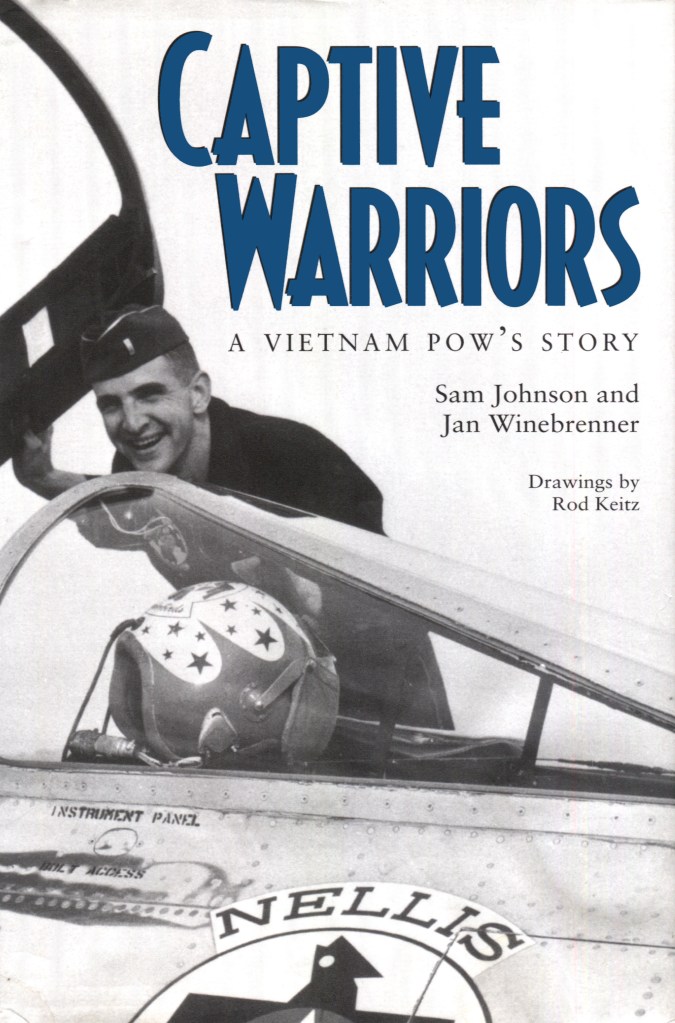
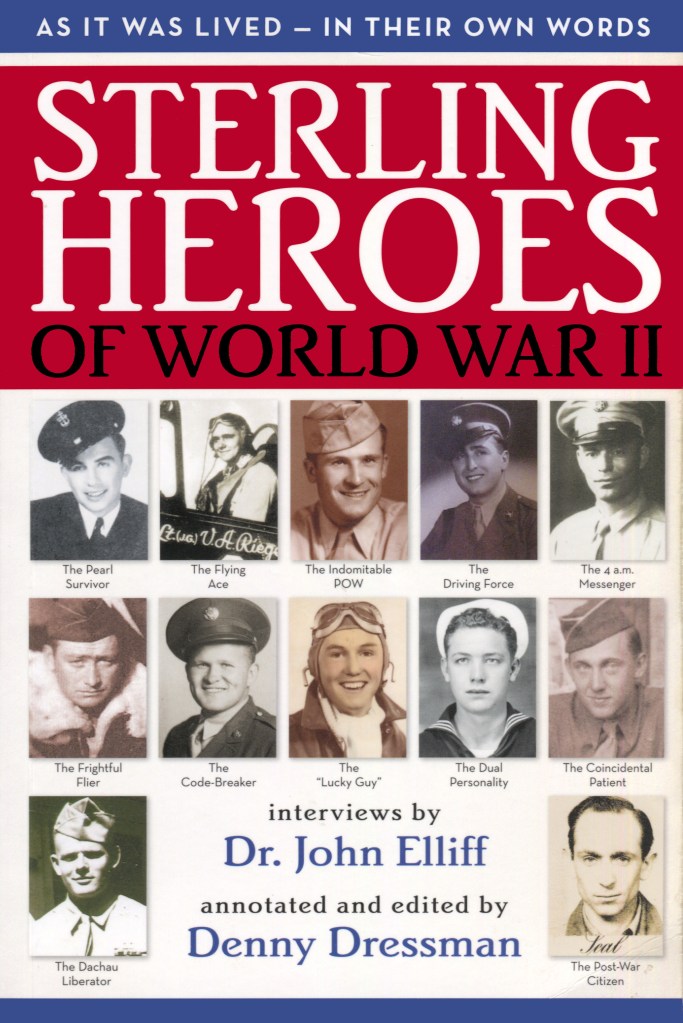
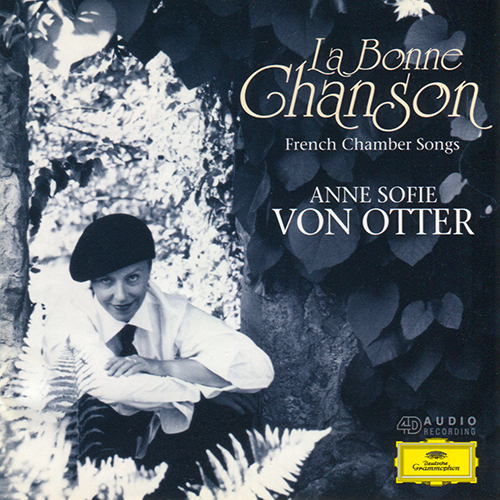
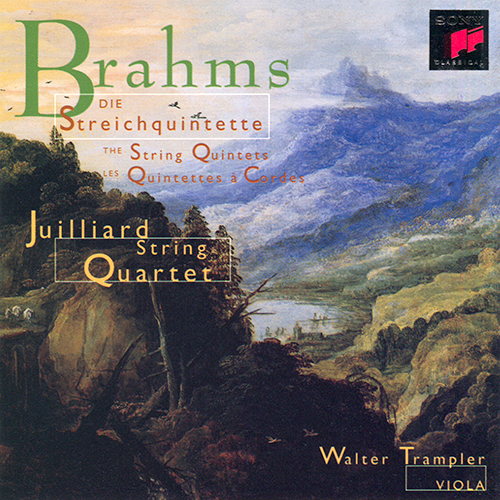
Picked these up today, a dollar apiece. What a deal! I actually picked them out on Tuesday, but they weren’t half-off, but they were exactly where I left them, and today were now half-off. The two Mozart CDs by BIZ sound great. It is difficult for me to find classical I don’t have already at a thrift store, but it can still happen.
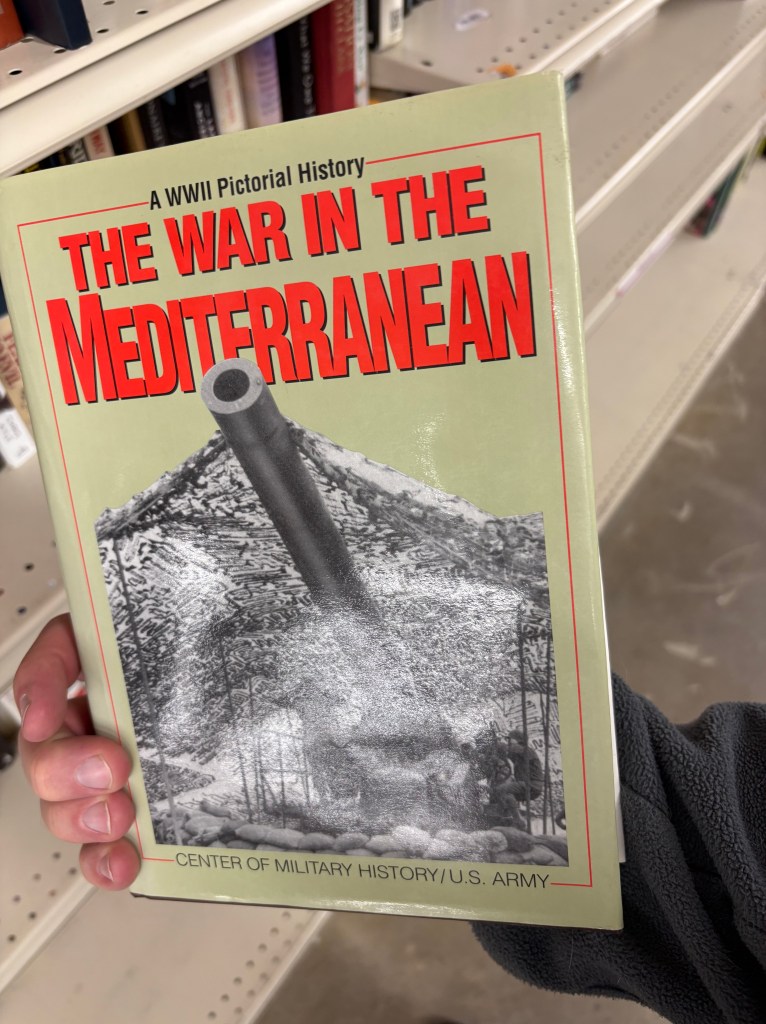
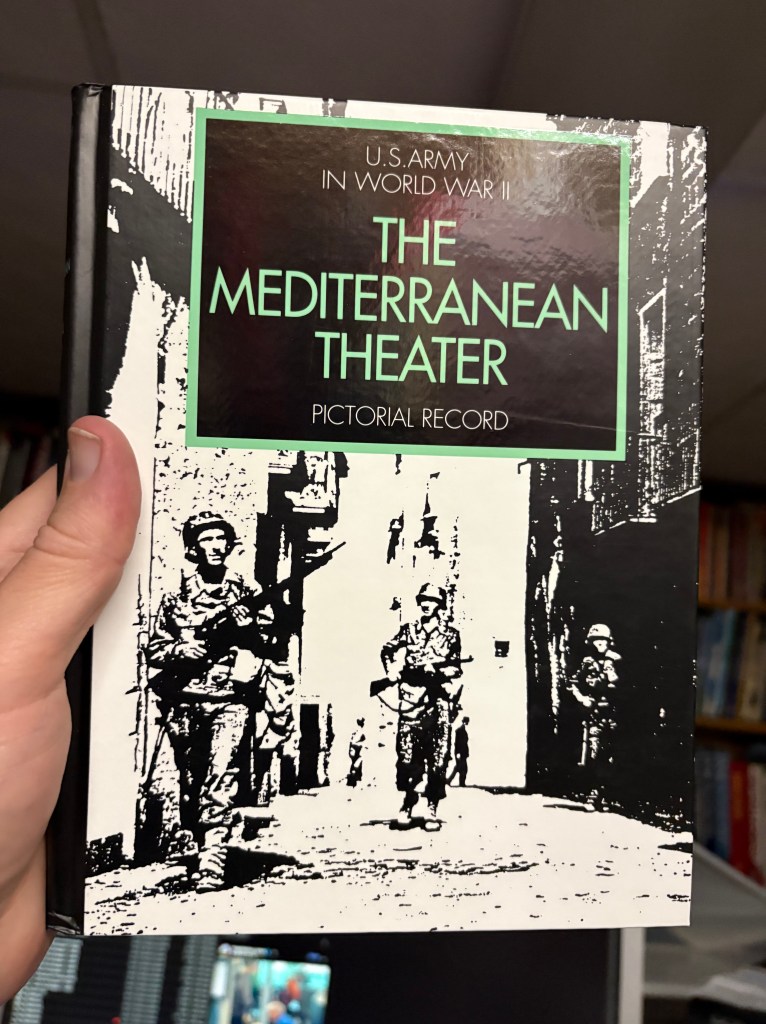
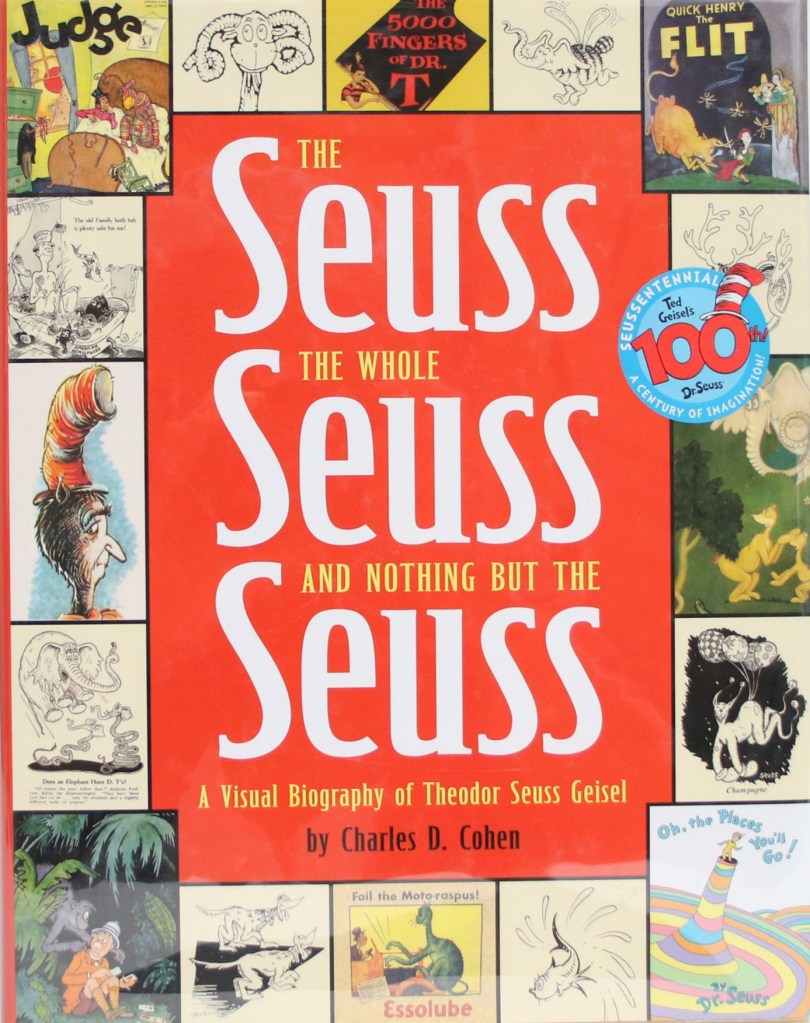
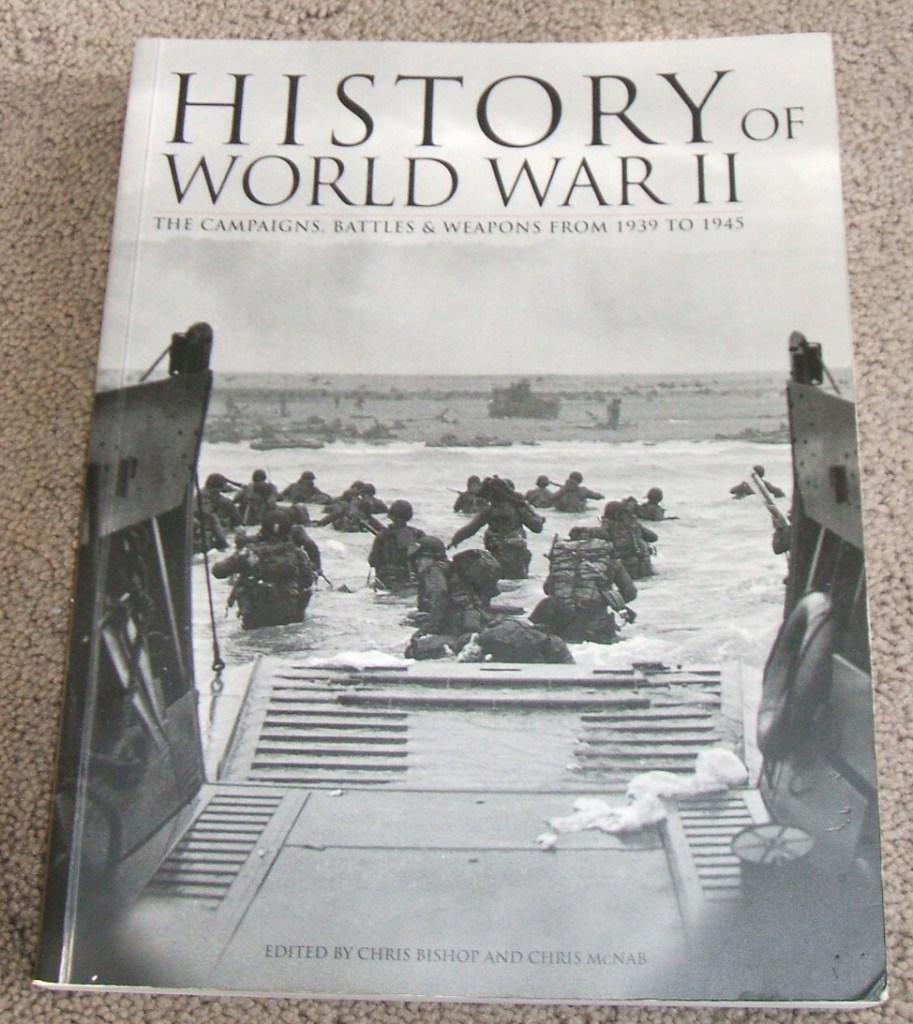
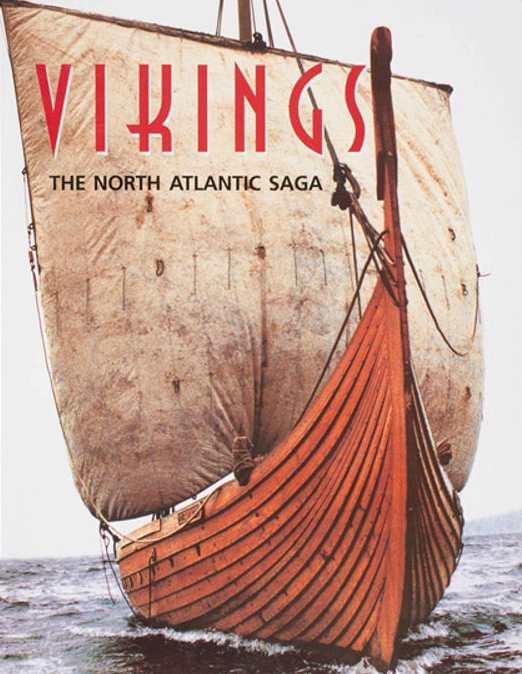
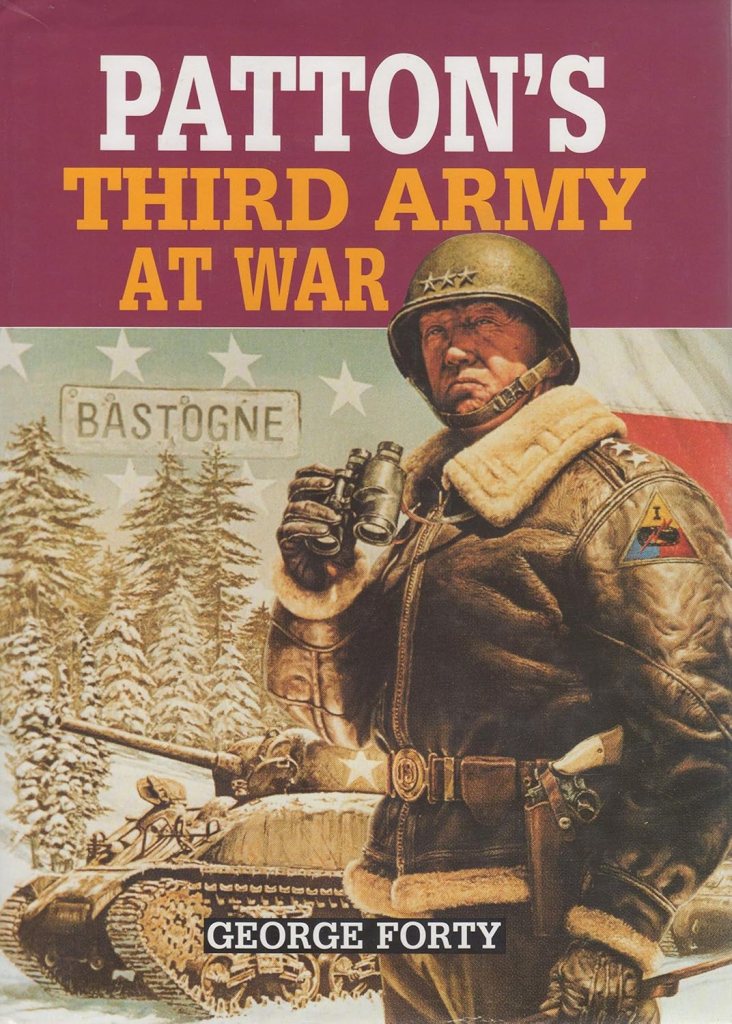
The Dr. Seuss book is substantial and is very detailed into his life and work. The World War II book appeared pretty standard, but the illustrations are terrific. Vikings and the Patton book are great additions to the library as well.







 randyrydberg.org